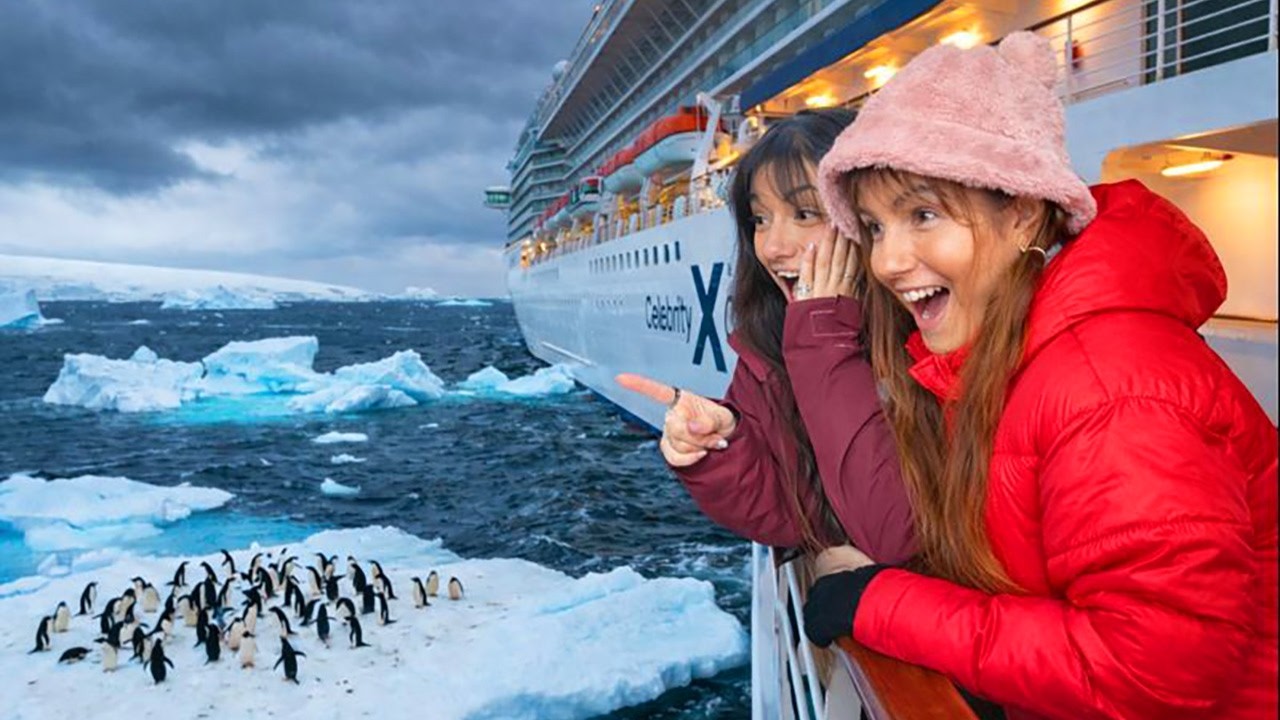
Awe-Inspiring Destinations and Iconic Landmarks
When most people think of Antarctica, the images that come to mind are of vast icebergs and endless white horizons. However, this frozen continent is home to several world-famous landmarks that every traveler should add to their bucket list. The Antarctic Peninsula, with its dramatic mountains and glaciers, offers breathtaking vistas that are best explored via expedition cruises. Here, travelers can witness the towering ice cliffs and fjords that define this remote landscape. The Lemaire Channel, often referred to as Kodak Gap, is a narrow passage renowned for its stunning scenery and frequent whale sightings, making it a top destination for photographers and nature lovers alike.
While Antarctica doesn't have UNESCO World Heritage sites in the traditional sense, its status as a pristine and untouched wilderness makes it a cultural treasure in its own right. The Antarctic Treaty System ensures that this unique environment remains protected, allowing visitors to experience its pure and unspoiled beauty. The continent's history is deeply tied to exploration, with sites like the historic huts of early explorers Ernest Shackleton and Robert Falcon Scott offering a glimpse into the past challenges and triumphs of human endurance. These preserved huts, now protected as Antarctic Specially Protected Areas, serve as poignant reminders of the continent's historical significance.
Antarctica's natural wonders are undoubtedly its most compelling draw. The Dry Valleys, a snow-free region, showcase some of the continent's most unique geological features. Here, visitors can walk on ancient lake beds and witness the stark contrast of rock and ice. The Ross Ice Shelf, the largest in the world, presents a surreal landscape where massive icebergs calve into the sea. Meanwhile, Deception Island, an active volcanic caldera, offers the rare opportunity to explore geothermal beaches where steam rises from the black sands, creating an otherworldly experience.
Though Antarctica lacks cities in the conventional sense, research stations serve as bustling hubs of activity. These international communities, such as McMurdo Station, provide a glimpse into life on the continent. Visitors can tour the research facilities, meet scientists, and learn about the ongoing studies on climate change and wildlife. The camaraderie among the diverse inhabitants of these stations creates a unique cultural experience, where the shared goal of scientific discovery transcends national boundaries.
For those seeking hidden gems, the South Shetland Islands offer a more secluded exploration. The islands are home to diverse wildlife, including penguin colonies and elephant seals. Adventurous travelers can embark on guided hikes to explore the rugged terrain or take a kayak excursion to get up close with the marine life. The remote beauty of these islands, combined with the sense of solitude, provides an off-the-beaten-path experience that few have witnessed firsthand.
Culinary Adventures and Local Treasures
Antarctica's culinary scene may not be as diverse as other continents, but the experience of dining on the ice is a unique adventure in itself. Meals are typically prepared by skilled chefs stationed at research bases or aboard expedition vessels. These chefs use fresh ingredients, often sourced from the home countries of the crew, to create international dishes that provide comfort and warmth in the harsh climate. A signature dish that travelers might encounter is Antarctic cod, expertly prepared and served alongside hearty vegetables and grains.
Food markets and street food are not features of Antarctic life, but authentic dining experiences can be found aboard the vessels that navigate its waters. These ships often host themed dinners, where passengers can indulge in different cuisines while sharing stories of their day's adventures. The communal dining setting fosters a sense of camaraderie and allows travelers to connect with fellow explorers over shared meals.
While there are no vineyards or wine regions in Antarctica, the drinking culture on the continent is shaped by the international communities that inhabit the research stations. Visitors can partake in social gatherings where a variety of beverages, including locally brewed beers and spirits, are shared. These gatherings offer insight into the diverse cultural backgrounds of the researchers and provide a chance to celebrate the unique environment in which they live and work.
For those interested in culinary activities, some expedition cruises offer cooking classes where passengers can learn to prepare dishes using limited resources, much like the Antarctic chefs do. These classes not only provide practical cooking skills but also offer an understanding of the logistical challenges of food preparation in such a remote location. Additionally, food tours aboard ships introduce travelers to the innovative ways chefs create diverse menus despite the constraints of the environment.
Cultural Experiences and Things to Do
Antarctica is not known for traditional festivals or celebrations, but the continent's unique seasonal events, such as the summer solstice, offer a different kind of experience. During this time, the sun never sets, providing an endless daylight that creates a surreal and invigorating atmosphere. Visitors can partake in solstice celebrations at research stations, where the midnight sun is welcomed with bonfires, music, and community gatherings. These events offer a rare opportunity to experience the camaraderie and resilience of those who call Antarctica home.
Although traditional crafts and markets are absent, Antarctica offers a chance to witness the artistry of nature itself. The intricate formations of icebergs and the mesmerizing patterns of snow and wind-sculpted landscapes are works of art in their own right. Visitors can capture these natural masterpieces through photography or join workshops led by professional photographers who provide insights into capturing the perfect shot in extreme conditions.
Music, arts, and entertainment in Antarctica are often organized by the inhabitants of research stations. Film screenings, music nights, and art exhibitions are common ways for residents to unwind and share their creativity. Visitors are often welcomed to these events, offering a chance to experience the diverse talents and cultural expressions of the international community. These gatherings create a vibrant cultural scene amidst the icy wilderness.
Outdoor activities are the highlight of any Antarctic adventure. From kayaking among icebergs to hiking on glacial trails, the opportunities for exploration are endless. Adventurous travelers can embark on guided excursions to visit penguin colonies or take part in ice-climbing activities on the continent's rugged peaks. For those seeking an adrenaline rush, polar plunges into the icy waters offer a thrilling experience that few can claim. Each outdoor activity provides a deeper connection to the pristine environment and the unique wildlife that inhabits it.
Local Life and Cultural Context
Antarctica's regional character is defined by its remoteness and the remarkable resilience of those who choose to live and work there. The continent's international residents, comprised of scientists, researchers, and support staff, create a multicultural environment where collaboration is paramount. This melting pot of cultures enriches the Antarctic experience, offering travelers a chance to engage with individuals from diverse backgrounds united by a shared passion for discovery.
Cultural traditions in Antarctica are shaped by the various nationalities present at the research stations. Visitors can expect to encounter a blend of customs and celebrations from around the world, each contributing to the unique tapestry of life on the continent. From traditional holiday celebrations to impromptu cultural exchanges, these interactions provide a deeper understanding of the global community that thrives in this isolated environment.
While Antarctica does not have an indigenous language or social customs, understanding basic etiquette is important for travelers. Respect for the environment is paramount, and visitors are expected to adhere to strict guidelines to minimize their impact. This includes following Leave No Trace principles and respecting wildlife by maintaining a safe distance. Additionally, travelers should be prepared for the communal nature of life on the continent, where cooperation and mutual respect are essential for a harmonious experience.
Accommodation and Neighborhood Guide
Accommodation options in Antarctica are unique, with research stations and expedition vessels serving as the primary lodging choices. Each option offers a different experience, catering to various types of travelers. For those seeking an immersive experience, staying at a research station provides insight into daily life on the continent, with opportunities to participate in scientific activities and engage with researchers. Expedition cruises, on the other hand, offer a more luxurious experience, with comfortable cabins and amenities that cater to travelers seeking both adventure and relaxation.
The styles of accommodation in Antarctica range from basic dormitory-style rooms at research stations to well-appointed suites on expedition ships. Travelers can choose based on their preferences for comfort and engagement. Some vessels even offer unique lodging experiences such as glass-domed igloos, allowing guests to sleep under the Antarctic sky and witness the awe-inspiring beauty of the auroras. These accommodations provide a seamless blend of comfort and connection to the natural surroundings.
Transportation between destinations in Antarctica is typically conducted via zodiacs and helicopters, allowing for flexible and efficient travel across the icy terrain. Expedition cruises provide a comprehensive itinerary that includes multiple landings and excursions, ensuring that travelers experience a variety of locations. Getting around within research stations is primarily done on foot or by snow vehicles, with each station offering guided tours to familiarize visitors with the facilities and surrounding areas.
Day trip possibilities from research stations or expedition ships often include visits to nearby islands or notable geological features. Travelers can embark on excursions to explore penguin rookeries, observe seal colonies, or take short hikes to vantage points with panoramic views of the landscape. These day trips offer a chance to delve deeper into the natural wonders of Antarctica and provide unforgettable encounters with its diverse wildlife.
Planning Your Journey
The best time to visit Antarctica is during its summer months, from November to March, when temperatures are milder and wildlife is most active. During this period, travelers can experience the midnight sun, providing extended daylight hours for exploration. The weather can be unpredictable, with sudden changes, so packing layers and waterproof gear is essential to ensure comfort and safety while navigating the icy terrain.
Budget planning for an Antarctic expedition requires careful consideration, as trips can be costly. Prices vary based on the type of accommodation and length of stay, with expedition cruises often being the most expensive option. However, early booking discounts and last-minute deals can offer savings. Travelers should also budget for additional costs such as gear rental and optional excursions to enhance their experience.
Entry to Antarctica does not require a visa, but travelers must adhere to the regulations set by the Antarctic Treaty System. Visitors typically begin their journey from countries like Argentina or Chile, where they embark on their expedition cruises. It is important to check the specific entry requirements of these gateway countries, as they may require visas or other documentation. Additionally, travelers should ensure they have comprehensive travel insurance that covers medical emergencies and evacuation.
Safety is a top priority when traveling to Antarctica, and visitors should be prepared for the challenging environment. Following the guidance of experienced expedition leaders and adhering to safety protocols is essential. Health considerations include understanding the effects of cold weather on the body and taking precautions to prevent frostbite and hypothermia. Packing essentials such as high-quality thermal clothing, sun protection, and personal medications will ensure a safe and enjoyable journey in this remarkable destination.