Captivating Destinations and Must-See Attractions
Croatia's capital, Zagreb, is a vibrant blend of Austro-Hungarian architecture, lively street markets, and a burgeoning contemporary art scene. Visitors can stroll through the medieval streets of the Upper Town, where the iconic Lotrščak Tower offers panoramic views. The city is a canvas of artistry with its colorful street murals and galleries like the Museum of Contemporary Art. For a taste of local life, the Dolac Market is a must-visit, bustling with vendors selling fresh produce and regional delicacies. Beyond Zagreb, Croatia's major urban centers like Split and Rijeka offer an intriguing mix of ancient history and modern dynamism.
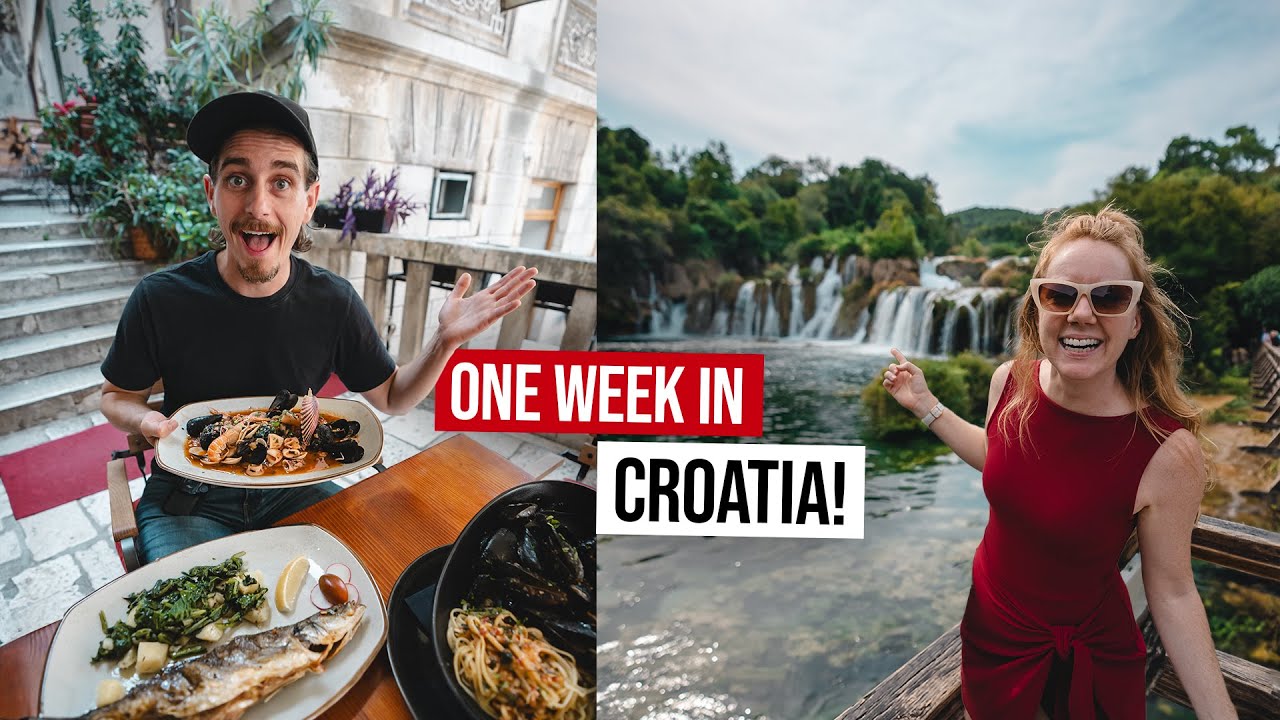
Croatia is home to several UNESCO World Heritage sites that captivate with their historical grandeur. The old city of Dubrovnik, often referred to as the "Pearl of the Adriatic," is a stunning network of 16th-century walls, baroque churches, and quaint piazzas. Walking the city walls gives visitors a breathtaking view of the Adriatic Sea and the terracotta rooftops. The Plitvice Lakes National Park, with its cascading lakes and waterfalls, is another natural wonder that promises an unforgettable experience. It's a place where nature enthusiasts can wander along wooden footbridges and marvel at the turquoise waters.
The Dalmatian Coast is a testament to Croatia's natural beauty, with its rugged coastline, crystal-clear waters, and idyllic islands. The Kornati Archipelago offers a labyrinth of over 80 islands perfect for sailing and exploration. Inland, the Velebit Mountain Range presents a dramatic landscape of peaks and valleys, ideal for hiking and adventure. The serene beauty of Istria, with its rolling vineyards and olive groves, invites travelers to indulge in rural escapism.
In the heart of Croatia, regions like Slavonia and Baranja offer an authentic glimpse into the country’s cultural tapestry. Known for their fertile plains and rich folklore, these provinces are dotted with quaint villages and traditional farms. The city of Osijek, with its Baroque architecture and riverside promenades, is a gateway to this lesser-known part of Croatia. Further south, the region of Lika invites exploration with its untouched forests and the majestic Plitvice Lakes.
Hidden gems await discovery in Croatia, such as the serene village of Rastoke, where waterfalls run through centuries-old mills. The island of Vis remains one of the Adriatic's most secretive retreats, with its secluded beaches and charming fishing villages. In the interior, the fairy-tale castle of Trakošćan offers a step back in time amidst the lush countryside. These unique discoveries provide travelers with the chance to experience Croatia beyond the beaten path.
Culinary Adventures and Local Treasures
Croatia's cuisine is a delightful fusion of Mediterranean and Central European influences, with each region offering its own culinary specialties. The national dish, Peka, is a rustic yet flavorful meal of meat and vegetables slow-cooked under a bell-like dome, encapsulating the essence of Dalmatian cooking. On the coast, fresh seafood is abundant, with dishes like black risotto made from cuttlefish ink showcasing the Adriatic's bounty. The continental regions are known for hearty meat dishes, such as Slavonian Kulen, a spicy sausage that packs a punch of flavor.
Regional variations in Croatian cuisine are as diverse as the landscapes themselves. In Istria, truffles are a coveted ingredient, and the region's pastas and risottos are often enriched with these earthy delicacies. The island of Pag is famous for its sheep's milk cheese, Paški Sir, known for its distinctively rich and salty flavor. Meanwhile, in Zagorje, the traditional dish of Štrukli, a baked pastry filled with cheese, offers a comforting taste of the highlands. Each region presents a culinary journey deeply rooted in local traditions.
For an authentic taste of Croatia, travelers should explore its vibrant food markets and street food scenes. The bustling Rijeka Market is a feast for the senses, with stalls brimming with fresh seafood, meats, and locally grown produce. Street food, like the savory Burek pastry and Cevapi sausage rolls, offer quick yet satisfying bites perfect for on-the-go travelers. In cities like Split and Dubrovnik, open-air markets provide a snapshot of daily life, where the aroma of freshly baked bread and pastries fills the air.
Croatia's beverages are as varied as its cuisine, with wine and olive oil production playing a significant role in the national identity. The Istrian and Dalmatian regions are renowned for their vineyards, producing robust reds like Plavac Mali and crisp whites such as Pošip. Olive oil tasting tours offer a chance to sample some of the world's finest oils, while the spirit Rakija, a potent fruit brandy, is a staple at social gatherings. For those keen to delve deeper, culinary tours and cooking classes provide immersive experiences into the heart of Croatian gastronomy.
Cultural Experiences and Activities
Croatia’s calendar is filled with lively festivals and events that celebrate its rich cultural heritage. The Dubrovnik Summer Festival, held annually, is a highlight, featuring a diverse program of theater, music, and dance performances set against the city’s historic backdrop. In Split, the Diocletian’s Palace becomes a stage for the Split Summer Festival, where opera and ballet captivate audiences. Additionally, the vibrant Rijeka Carnival, one of the largest in Europe, offers a colorful spectacle of parades, masks, and music that brings the city to life.
Traditional arts and crafts are integral to Croatian culture, with artisans keeping age-old techniques alive. In the town of Lepoglava, the intricate lace-making tradition is a testament to the region's artisan skills, and visitors can witness these delicate creations firsthand. Pottery and ceramics are also prevalent, particularly in the coastal regions, where the influence of the Mediterranean is evident in the vibrant colors and designs. Workshops and artisan markets throughout the country offer travelers a chance to engage with these crafts and take home a piece of Croatian heritage.
The music and performance scene in Croatia is dynamic and varied, with genres ranging from classical to contemporary. The city of Zagreb hosts the Zagreb Film Festival, an international event that showcases the best of global cinema. Traditional Klapa singing, a form of a cappella music, echoes through the streets of Dalmatia, while vibrant nightlife in cities like Hvar and Zadar offers everything from live jazz to electronic dance music. The cultural vibrancy ensures there is always something to experience, regardless of the traveler’s tastes.
Outdoor adventures abound in Croatia, with its diverse landscapes offering a myriad of activities. The Adriatic Sea is a haven for water sports enthusiasts, with sailing, kayaking, and diving opportunities aplenty. Inland, the rugged terrains of the Dinaric Alps are ideal for hiking and rock climbing, providing breathtaking views and challenging trails. For those seeking tranquility, the national parks, such as Krka and Paklenica, offer serene environments perfect for bird watching and nature walks. These outdoor experiences allow travelers to connect intimately with Croatia’s natural beauty.
Cultural Context for Travelers
The national character of Croatia is shaped by its diverse history and geographical position at the crossroads of Europe. Croatians are known for their warmth, hospitality, and a deep sense of community. This is reflected in the concept of "fjaka," a state of mind that embraces relaxation and contentment, akin to the Italian "dolce far niente." This laid-back lifestyle is an integral part of the Croatian experience, inviting travelers to slow down and savor the moment.
Travelers will encounter a rich tapestry of cultural customs and traditions throughout Croatia. The traditional Klapa singing and the art of lace-making are UNESCO-recognized cultural heritage practices that reflect the country's deep-rooted customs. Folk music and dance, especially during festivals and celebrations, offer a vibrant display of Croatia's cultural diversity. Guests are often invited to join in these festive occasions, providing an authentic insight into local life and traditions.
Understanding social etiquette and language can greatly enhance a traveler's experience in Croatia. While Croatian is the official language, English is widely spoken, particularly in tourist areas. A friendly "Dobar dan" (Good day) goes a long way in making connections. Respect for personal space and punctuality is appreciated, and it's customary to greet people with a handshake. When dining, it's polite to say "Dobar tek" (Enjoy your meal) before starting. Being mindful of these cultural nuances allows for a respectful and enriching travel experience.
Where to Stay and Regional Navigation
Croatia offers a diverse range of regions and cities catering to different types of travelers. For those seeking a vibrant urban experience, Zagreb offers a bustling city life with its cafes, museums, and nightlife. The coastal cities like Split and Dubrovnik are ideal for history buffs and beach lovers alike, providing a mix of cultural heritage and stunning seaside views. For a more laid-back, rural escape, regions like Istria and Slavonia offer charming countryside retreats with a focus on local traditions and gastronomy.
Accommodation options in Croatia range from budget-friendly hostels to luxurious resorts, catering to all types of travelers. The country boasts a selection of boutique hotels and family-run guesthouses that offer personalized service and a taste of local hospitality. For a unique experience, consider staying in one of the many traditional stone houses or villas available for rent along the coast. Luxury seekers will find no shortage of high-end hotels and resorts, particularly in destinations like Dubrovnik and Hvar, where views of the Adriatic provide the perfect backdrop for a relaxing stay.
Getting around Croatia is convenient, thanks to its well-developed transportation network. The country’s extensive bus and train systems connect major cities and regions, offering a cost-effective way to explore. For island hopping along the Dalmatian coast, ferries and catamarans provide regular service to popular island destinations. Renting a car is also a popular option, giving travelers the flexibility to venture off the beaten path and discover hidden gems at their own pace.
Creating a multi-city itinerary in Croatia allows travelers to experience the country's diverse offerings. A popular route includes starting in Zagreb, then heading to the coastal cities of Split and Dubrovnik, with stops at Plitvice Lakes National Park and the island of Hvar. For those with more time, exploring the northern regions of Istria and Kvarner Bay can provide a deeper understanding of Croatia's varied landscapes and cultures. This flexibility enables travelers to tailor their journey to their own interests and timelines.
Essential Travel Planning
The best time to visit Croatia depends largely on the activities one wishes to pursue. The summer months of June to August are ideal for beachgoers and those wishing to partake in vibrant festivals, but they also bring larger crowds. Spring (April to June) and early autumn (September to October) offer milder weather and fewer tourists, making them perfect for sightseeing and outdoor adventures. Winters are less crowded and provide a charming atmosphere, especially in the coastal regions where the temperatures remain mild.
Budget planning is an essential aspect of travel to Croatia, with costs varying by season and location. Generally, the coastal areas tend to be pricier, especially during the peak summer months. However, there are plenty of affordable dining and accommodation options available across the country. Setting a budget for daily expenses, such as meals and entrance fees, can help travelers manage costs effectively. It's also advisable to carry some cash, as smaller establishments may not accept credit cards.
Travelers to Croatia from most Western countries can enter without a visa for stays up to 90 days within a 180-day period. It's crucial to have a valid passport with at least three months’ validity beyond the planned departure date. For those requiring a visa, the process is straightforward, with applications typically made through Croatian embassies or consulates. It's always best to check the latest entry requirements and travel advisories before departure.
Health and safety are paramount, and Croatia is considered a safe destination for travelers. It's recommended to have travel insurance that covers medical expenses. Tap water is safe to drink throughout the country, and healthcare facilities are reliable and accessible in major towns and cities. As with any destination, travelers should keep personal belongings secure and stay informed about local customs and regulations. These practical considerations ensure a smooth and enjoyable journey through Croatia.