Captivating Destinations and Must-See Attractions
Dublin, the vibrant capital of Ireland, is a city that effortlessly marries the old with the new. Visitors can begin their exploration in the historic heart of the city at Trinity College, where the Book of Kells is housed—a masterpiece of medieval illumination. Then, wander through the cobbled streets of Temple Bar, known for its lively pubs and cultural institutions. For a more modern twist, the Docklands offers a glimpse into Dublin’s contemporary architecture and bustling tech scene. Don't miss the warm glow of local pubs where traditional music pours into the streets, inviting you to experience the city's timeless charm.
Ireland proudly boasts three UNESCO World Heritage sites, each a testament to its rich history and breathtaking beauty. The spectacular Skellig Michael, a rocky island off the coast of County Kerry, offers an awe-inspiring glimpse into early Christian monastic life. The Giant’s Causeway in Northern Ireland, with its unique hexagonal basalt columns, is a geological wonder steeped in myth and folklore. Finally, Brú na Bóinne, a complex of Neolithic mounds located in County Meath, provides a fascinating journey back to ancient times with its impressive passage tombs. These landmarks offer not only historical context but also an opportunity to connect with Ireland's ancient past in a tangible way.
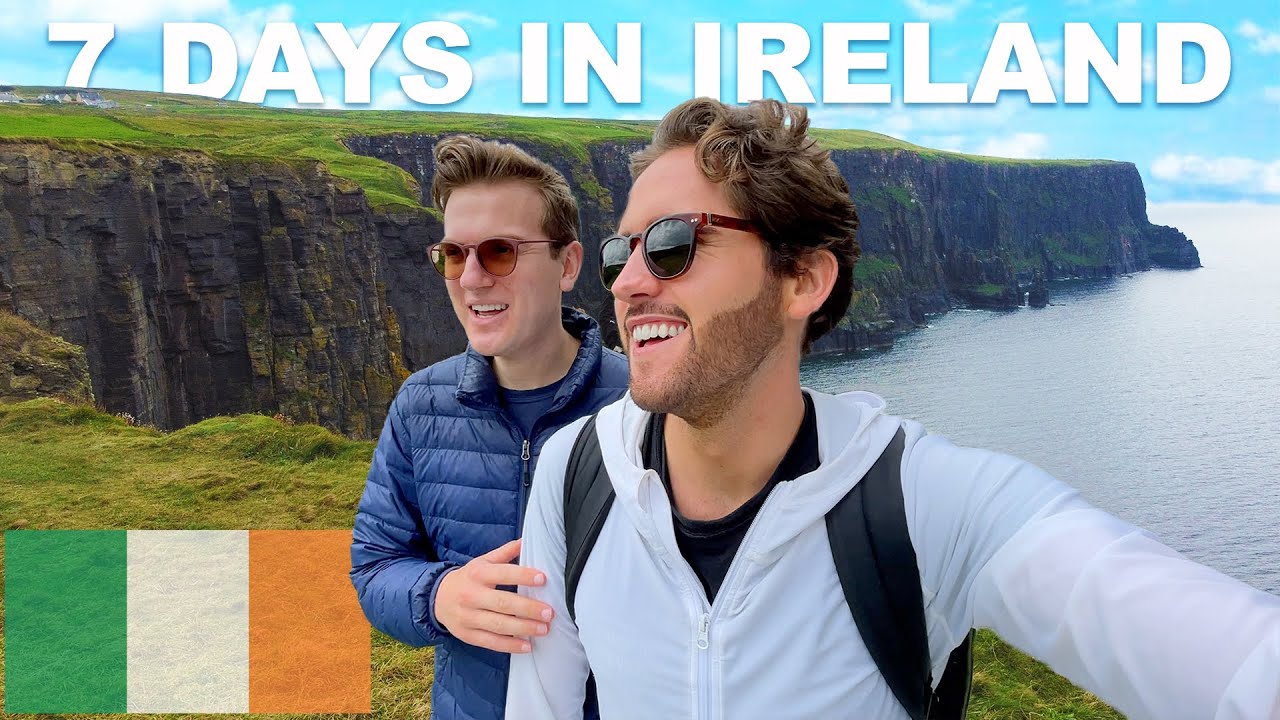
Ireland's natural landscapes are nothing short of spectacular, offering vistas that seem to leap from the pages of a storybook. The Cliffs of Moher, towering over the Atlantic Ocean in County Clare, present a sheer drop that is both terrifying and exhilarating. In contrast, the serene beauty of Killarney National Park offers lush forests, sparkling lakes, and the majestic MacGillycuddy’s Reeks mountain range. For those seeking a rugged adventure, the Ring of Kerry provides a scenic drive through mountains, coastal cliffs, and charming villages. Each landscape is a canvas that paints Ireland’s natural beauty in broad, breathtaking strokes.
Beyond the well-trodden paths lie Ireland's regional treasures, each offering unique experiences. Galway, known for its bohemian vibe and vibrant arts scene, is a city of festivals and friendly locals. In contrast, Cork embodies a laid-back charm, with its bustling English Market and picturesque waterfront. The Wild Atlantic Way, a coastal route spanning from Donegal in the north to Cork in the south, invites explorers to discover hidden beaches, ancient ruins, and panoramic views. Each region offers a distinct flavor, ensuring that every traveler finds a piece of Ireland that resonates with them.
For those who crave discovery beyond the obvious, Ireland's hidden gems await. The Aran Islands, accessible by ferry from Galway, offer a glimpse into traditional island life with their ancient forts and sea-swept landscapes. In the heart of County Wicklow, the monastic site of Glendalough provides a serene retreat amidst idyllic scenery. Meanwhile, the lesser-known Beara Peninsula offers a rugged, off-the-beaten-path adventure with its winding roads and stunning coastal vistas. These discoveries promise a deeper connection with Ireland's untouched beauty and timeless allure.
Culinary Adventures and Local Treasures
Ireland’s culinary scene is a delightful fusion of tradition and innovation, with national dishes that celebrate its rich agricultural heritage. At the heart of Irish cuisine is the hearty Irish stew, a comforting blend of lamb or beef, potatoes, and vegetables. The beloved full Irish breakfast, complete with sausages, eggs, and black and white pudding, is a morning ritual that prepares you for a day of exploration. For a taste of the sea, try the classic fish and chips, best enjoyed in a cozy seaside pub. Each dish is a flavorful testament to Ireland's culinary traditions and the warmth of its hospitality.
Regional food variations highlight Ireland’s diverse culinary landscape, influenced by local produce and age-old cooking techniques. In the west, Galway is renowned for its fresh oysters, celebrated annually at the Galway International Oyster Festival. The lush farmland of County Kerry yields rich dairy products, inspiring delectable cheeses like Dingle Peninsula’s mature cheddar. In the north, Ulster’s potato bread and soda farls provide a warm, comforting bite. These regional specialties offer a flavorful journey across the island, where each area tells its own delicious story.
For an authentic dining experience, Ireland’s food markets are a must-visit. The English Market in Cork is a vibrant hub where local vendors offer everything from artisanal cheeses to freshly baked breads. Dublin's Temple Bar Food Market, held every Saturday, is a feast for the senses with its array of organic produce and street food. Meanwhile, the bustling St. George’s Market in Belfast serves up a taste of Northern Ireland with its eclectic mix of local delicacies. These markets offer a chance to engage with locals, sample regional flavors, and enjoy the communal spirit of Irish food culture.
Ireland’s beverage culture is equally rich, with experiences that bring its brewing and distilling heritage to life. A visit to Dublin wouldn’t be complete without a tour of the Guinness Storehouse, where you can learn about the iconic stout and enjoy a pint with panoramic city views. In the heart of County Cork, the Jameson Distillery offers a journey through the history of Irish whiskey, complete with tastings. For those who wish to delve deeper, culinary tours and cooking experiences provide an immersive dive into Ireland’s rich gastronomic traditions, allowing you to learn from local chefs and savor the flavors of this enchanting land.
Cultural Experiences and Activities
Ireland's cultural calendar is brimming with festivals and celebrations that capture the spirit of the country. St. Patrick’s Day, celebrated on March 17th, sees the entire island adorned in green as parades, music, and dance fill the streets. The Galway Arts Festival in July transforms the city into a vibrant tapestry of visual and performing arts, while the Listowel Writers’ Week celebrates literary talent in the charming town of Listowel. These events offer travelers a chance to immerse themselves in Ireland’s rich cultural tapestry, where tradition and creativity flourish.
Artisanship is deeply embedded in Irish culture, with traditional crafts that have been passed down through generations. In the picturesque town of Kilkenny, known as the craft capital of Ireland, visitors can explore workshops where potters, weavers, and jewelers showcase their skills. The Aran Islands are famous for their intricate Aran sweaters, each stitch telling a story of the island’s heritage. Meanwhile, the vibrant town of Dingle offers workshops in traditional music and dance, providing an opportunity to learn from local maestros. Engaging with these crafts offers a hands-on connection to Ireland’s artistic soul.
Music is the heartbeat of Ireland, with its traditional tunes and lively performances echoing in pubs and on street corners. The sound of a fiddle, the rhythm of a bodhrán, and the haunting melody of a tin whistle create an irresistible soundtrack to Irish life. In Dublin, the lively Temple Bar area offers an array of pubs where you can experience traditional sessions. Meanwhile, the Fleadh Cheoil, the world’s largest annual festival of Irish music, invites musicians and fans to celebrate the rich musical heritage. Whether in a cozy pub or a grand festival, Ireland’s music scene promises an unforgettable experience.
For those seeking outdoor adventures, Ireland’s landscapes offer a playground of activities. The rugged coastlines and rolling hills invite hikers and walkers to explore scenic trails, such as the breathtaking Dingle Way or the ancient pilgrim path of Croagh Patrick. The rivers and lakes provide opportunities for kayaking and fishing, while the Atlantic waves are perfect for surfing enthusiasts. Whether you're cycling through the verdant countryside or horse riding along a sandy beach, Ireland’s natural beauty offers endless possibilities for adventure and exploration.
Cultural Context for Travelers
Ireland is a land of storytellers, where the national character is defined by warmth, wit, and a rich tradition of oral history. The Irish are known for their friendliness and hospitality, often welcoming strangers with open arms and a tale or two. This convivial nature is woven into everyday life, from the lively banter in local pubs to the genuine interest in visitors' stories. The spirit of community and a deep-seated pride in heritage make Ireland a place where connections are easily forged and memories are made.
Travelers to Ireland will encounter a wealth of cultural customs and traditions that enrich their experience. Gaelic, the native language, is still spoken in regions known as Gaeltachts, where signs and conversations carry a lyrical quality. Traditional Irish music and dance often accompany gatherings, creating an atmosphere of celebration and camaraderie. Festivals and folk traditions, such as the ancient Celtic festival of Samhain, offer a glimpse into the country's mystical heritage. These cultural practices provide a tapestry of experiences that immerse visitors in the essence of Irish life.
Understanding social etiquette and language tips can enhance your journey through Ireland. While English is widely spoken, learning a few Gaelic phrases can endear you to locals and open doors to deeper cultural exchanges. Respect for personal space and a polite demeanor are appreciated, as is participation in the lively banter known as 'craic'. Tipping is customary in restaurants and for service providers, typically around 10-15%. By embracing these cultural nuances, travelers can engage more meaningfully with the people and places they encounter.
Where to Stay and Regional Navigation
Ireland offers a diverse range of regions and cities, each catering to different types of travelers. Dublin, with its vibrant nightlife and cultural landmarks, is perfect for urban explorers. For those seeking coastal beauty, Galway and Cork provide charming bases with easy access to the Wild Atlantic Way. In the north, Belfast offers a blend of modernity and history, with landmarks like the Titanic Belfast museum. Each city and region has its own unique appeal, ensuring that every traveler finds their ideal Irish experience.
Accommodation in Ireland ranges from cozy bed and breakfasts to luxurious five-star hotels, providing options for every budget. Traditional Irish hospitality is best experienced in family-run B&Bs, where a warm welcome and a hearty breakfast await. For a touch of opulence, Ireland's castle hotels offer a unique stay steeped in history and grandeur. In the cities, boutique hotels and modern apartments provide a stylish retreat for urban adventurers. Whether you're seeking comfort, luxury, or a unique experience, Ireland's accommodations cater to every traveler's needs.
Navigating through Ireland is made easy with its efficient transportation networks. The island's extensive bus and rail services connect major cities and towns, offering a convenient way to explore the country. For those venturing off the beaten path, car rentals allow the freedom to discover Ireland’s hidden gems at your own pace. In cities, public transport and taxis provide easy access to attractions, while cycling and walking are popular ways to explore urban centers. With a little planning, getting around Ireland can be both convenient and enjoyable.
Creating a multi-city itinerary allows travelers to experience the diverse landscapes and cultures of Ireland. A popular route might begin in Dublin, with its historic sites and vibrant nightlife, before heading west to Galway for coastal adventures. The journey could continue south to Cork, exploring the scenic beauty of the Ring of Kerry, before concluding in Belfast, where history and modernity converge. Each leg of the journey offers unique experiences, weaving together a rich tapestry of Ireland’s diverse offerings.
Planning Your Journey
The best time to visit Ireland depends on the experiences you seek, with each season offering its own unique allure. Spring and early summer, from April to June, bring mild weather and blooming landscapes, ideal for exploring the countryside. The summer months of July and August offer long days and lively festivals, though popular destinations can be crowded. Autumn, from September to November, provides a quieter, more contemplative experience, with vibrant foliage and harvest festivals. Winter sees fewer tourists, offering a peaceful retreat and opportunities to enjoy cozy fireside evenings.
Budget planning is essential for a comfortable trip to Ireland, with costs varying depending on travel style and season. Accommodation ranges from budget-friendly hostels to luxury hotels, with prices reflecting the level of comfort and location. Dining can be economical, with affordable options in pubs and markets, while fine dining experiences offer a taste of Ireland’s culinary excellence. Entrance fees for attractions and transportation costs should also be considered. By planning ahead, travelers can enjoy a memorable Irish adventure that fits their budget.
Visitors to Ireland from most countries, including the United States and European Union, do not require a visa for short stays. However, it’s essential to check the latest entry requirements and documentation needed for your specific nationality. A valid passport is required, with a recommended validity of at least six months beyond your planned departure date. Travelers should also be aware of customs regulations and any travel advisories that may affect their plans. Staying informed ensures a smooth journey and a stress-free arrival in Ireland.
Health and safety are paramount when traveling, and Ireland is generally considered a safe destination for tourists. It’s advisable to have travel insurance that covers medical expenses and emergencies. The tap water is safe to drink, and healthcare facilities are of a high standard. Travelers should also be mindful of weather conditions, as Ireland’s climate can be unpredictable. Packing layers and waterproof clothing is recommended. By taking these precautions, visitors can enjoy a safe and enjoyable journey through the emerald isle.