Must-See Destinations and Iconic Landmarks
Oceania, a mesmerizing tapestry of islands and cultures, beckons travelers with its world-famous landmarks and bucket-list destinations. The Sydney Opera House, a masterpiece of modern architecture, graces the harbor with its iconic sails, offering not only stunning exterior views but also a rich program of performances. In New Zealand, the majestic Fiordland National Park, home to Milford Sound, captivates visitors with its dramatic cliffs and cascading waterfalls, best explored by boat or kayak. Another gem is Uluru, the massive sandstone monolith in Australia’s Red Centre, which changes hues with the shifting light and is revered by the local Anangu people.
Among Oceania’s many treasures are its UNESCO World Heritage sites, which include the Great Barrier Reef, a sprawling underwater paradise teeming with vibrant marine life and coral gardens. This natural wonder offers unparalleled snorkeling and diving experiences, with opportunities to witness everything from clownfish to majestic manta rays. The ancient stone city of Nan Madol in Micronesia intrigues with its mysterious ruins and historical significance, while New Zealand’s Tongariro National Park, with its volcanic craters and emerald lakes, attracts avid hikers and nature lovers.
Nature enthusiasts will find Oceania’s landscapes nothing short of breathtaking. The rugged peaks of New Zealand’s Southern Alps, often blanketed in snow, create a dramatic backdrop for adventure sports in Queenstown. Australia’s Great Ocean Road, a scenic coastal drive, reveals stunning vistas of limestone cliffs and pristine beaches, punctuated by the iconic Twelve Apostles rock formations. Meanwhile, the lush rainforests of Papua New Guinea offer a vibrant ecosystem rich with exotic flora and fauna, perfect for trekking and birdwatching.
Major cities in Oceania provide vibrant urban experiences that blend cosmopolitan flair with local culture. Sydney, with its bustling markets, elegant restaurants, and the lively district of Darling Harbour, offers a dynamic blend of entertainment and relaxation. Melbourne, known for its eclectic arts scene and hidden laneways filled with quirky cafes and boutiques, is a haven for creative souls. Auckland, the largest city in New Zealand, combines urban sophistication with access to stunning natural landscapes, making it a perfect base for exploration.
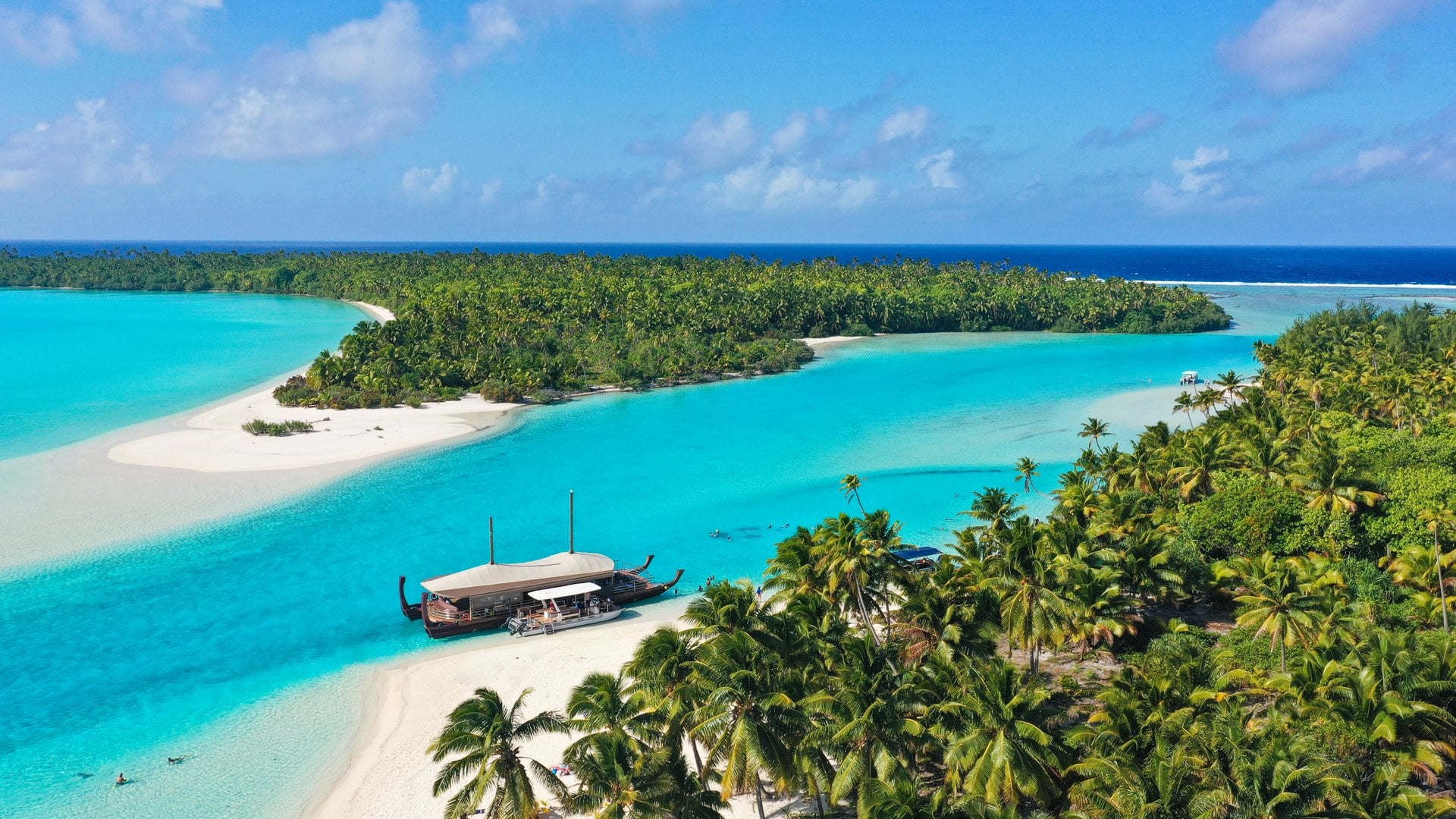
For those seeking hidden gems and off-the-beaten-path discoveries, Oceania is a treasure trove. The Cook Islands, with their untouched beaches and vibrant coral reefs, offer a peaceful escape from the crowds. Vanuatu’s Mount Yasur, an active volcano, provides a thrilling yet accessible adventure, where visitors can witness glowing lava from the crater rim. In Tasmania, Australia’s wild island state, the dramatic coastline and dense forests of the Tarkine region invite exploration and immersion in nature.
Culinary Adventures and Local Flavors
Oceania’s culinary landscape is as diverse as its cultures, with each destination offering signature dishes and must-try regional specialties. In Australia, savor the rich flavors of barramundi, a popular freshwater fish, or indulge in a classic meat pie, a hearty staple found in bakeries across the country. New Zealand’s cuisine shines with its succulent lamb dishes and the revered pavlova, a dessert of meringue and fresh fruit, perfect for a sweet ending.
Food markets and street food experiences in Oceania provide an authentic taste of local life. The Queen Victoria Market in Melbourne is a culinary hotspot, featuring everything from artisanal cheeses to exotic spices, while the bustling fish markets of Sydney offer the freshest seafood. In the Pacific Islands, street vendors serve up delights such as kokoda, a Fijian dish of raw fish marinated in coconut cream, offering a refreshing treat in the tropical heat.
Local beverages and wine regions add another layer to the Oceania dining experience. Australia’s Barossa Valley, renowned for its bold Shiraz wines, invites oenophiles to explore its vineyards and taste award-winning vintages. New Zealand’s Marlborough region is famed for its Sauvignon Blanc, offering crisp, aromatic wines that pair perfectly with local seafood. Throughout the islands, kava, a traditional drink made from the root of the kava plant, plays a central role in social gatherings, offering a unique cultural experience for visitors.
For those seeking deeper culinary immersion, cooking classes and food tours provide hands-on opportunities to learn about regional flavors. In Auckland, join a Maori cooking class to discover the secrets of hangi, a traditional earth oven technique. In Sydney, food tours through multicultural neighborhoods reveal a tapestry of global cuisines, from Asian street food to Middle Eastern delicacies, enriching the palate and the soul.
Cultural Experiences and Things to Do
Oceania’s vibrant festivals and seasonal events offer a glimpse into the region’s rich cultural tapestry. Sydney’s Vivid Festival transforms the city into a kaleidoscope of color with dazzling light installations and music performances, drawing visitors from around the world. In New Zealand, the Pasifika Festival celebrates the diverse cultures of the Pacific Islands with performances, crafts, and traditional foods, offering a lively and immersive experience.
Traditional crafts and artisan workshops provide a window into Oceania’s creative spirit. In Fiji, local artisans demonstrate the intricate process of masi (tapa cloth) making, where visitors can try their hand at this ancient craft. The markets of Papua New Guinea are brimming with hand-carved artifacts and woven baskets, each piece telling a story of its origin, while in Samoa, wood carving workshops reveal the skill behind the island’s intricate art forms.
Oceania’s music, arts, and entertainment scenes are as dynamic as they are diverse. New Zealand’s Wellington, often dubbed the cultural capital, boasts a thriving arts scene with numerous galleries, theaters, and live music venues. In Australia, the Melbourne International Comedy Festival showcases local and international talent, providing laughter and entertainment across the city. The Pacific Islands echo with the harmonious sounds of traditional music, where the beat of drums and the strum of ukuleles create a captivating soundtrack.
Outdoor activities and adventure experiences abound across Oceania’s diverse landscapes. In New Zealand, adrenaline seekers flock to Queenstown for bungee jumping, skydiving, and jet boating against a backdrop of stunning alpine scenery. Australia’s Whitsunday Islands offer world-class sailing and snorkeling opportunities, with access to the Great Barrier Reef’s vibrant marine life. For a more serene experience, the hiking trails of Tahiti’s lush mountains provide breathtaking views and a peaceful escape into nature.
Local Life and Cultural Context
Oceania’s regional character is defined by its unique blend of indigenous heritage and modern influences, offering travelers a rich tapestry of experiences. The laid-back charm of the Pacific Islands, with their warm hospitality and vibrant traditions, contrasts with the bustling urban centers of Australia and New Zealand. Each destination offers its own distinct allure, from the remote tranquility of Fiji’s beaches to the cosmopolitan energy of Sydney’s streets.
Visitors to Oceania will encounter a variety of cultural traditions and customs that enrich their travel experience. In New Zealand, the Maori culture is a vital part of the nation’s identity, with traditional greetings, such as the hongi (a nose-to-nose touch), symbolizing unity and respect. In the Pacific Islands, ceremonies such as the Samoan ava ceremony offer a glimpse into ancient rituals, where the sharing of kava plays a central role in communal gatherings.
Understanding the language, etiquette, and social customs of Oceania can enhance a traveler’s experience. While English is widely spoken in Australia and New Zealand, learning a few words of Maori or the local dialect in the Pacific Islands can open doors to deeper connections. Respect for local customs, such as removing shoes before entering a home or participating in a traditional ceremony, demonstrates cultural sensitivity and enriches the travel experience.
Accommodation and Neighborhood Guide
Oceania offers a diverse range of accommodations to suit every traveler’s needs, with each destination offering its own unique charm. In Sydney, the vibrant neighborhoods of Darlinghurst and Surry Hills provide a mix of boutique hotels and trendy eateries, perfect for those seeking a lively urban experience. For a more tranquil retreat, the beachfront resorts of Fiji and the eco-lodges of New Zealand’s national parks offer a peaceful escape surrounded by nature.
Accommodation styles in Oceania range from luxurious to rustic, catering to a variety of tastes and budgets. In Australia, travelers can indulge in the opulence of five-star hotels overlooking iconic landmarks, while New Zealand’s charming bed and breakfasts offer a cozy, personalized stay. The Pacific Islands are renowned for their overwater bungalows, providing a unique experience of sleeping above turquoise lagoons and waking up to stunning sunrise views.
Getting around Oceania is made easy with a well-connected transportation network. In Australia and New Zealand, domestic flights and efficient public transport systems make it simple to explore major cities and regional attractions. Car rentals offer the freedom to explore scenic routes at one’s own pace, while ferries and boat tours connect travelers to remote islands and coastal destinations, providing a unique perspective of the region.
Day trips from major cities in Oceania offer exciting opportunities to explore regional connections. From Sydney, the Blue Mountains provide a stunning natural retreat with hiking trails and panoramic views, while Auckland’s proximity to Waiheke Island invites visitors to discover its renowned vineyards and sandy beaches. The diverse experiences within reach of these cities ensure that travelers can enjoy both urban sophistication and natural beauty.
Practical Travel Planning
Planning a trip to Oceania requires attention to the best times to visit, weather, and seasonal considerations. The summer months from December to February offer warm temperatures and vibrant festivals, making it an ideal time to explore Australia and New Zealand. However, for those seeking a quieter experience, the shoulder seasons of spring and autumn provide pleasant weather and fewer crowds, allowing for a more intimate exploration of the region.
Budget planning and cost considerations are essential for a seamless travel experience in Oceania. While Australia and New Zealand can be on the pricier side, there are plenty of ways to enjoy these destinations without breaking the bank. Opting for local eateries, using public transport, and booking accommodations in advance can significantly reduce costs. In the Pacific Islands, all-inclusive resorts offer great value, while local markets and street food provide affordable culinary delights.
Entry requirements and practical logistics vary across Oceania, so it’s important to plan ahead. Most travelers will need a valid passport and may require a visa, depending on their nationality and intended length of stay. Australia and New Zealand offer electronic visa systems for ease of entry, while the Pacific Islands may have specific entry requirements that travelers should check in advance. Additionally, understanding local currency and exchange rates will ensure smooth transactions throughout the trip.
Safety tips and health considerations are paramount for a worry-free journey across Oceania. Travelers should be aware of natural hazards, such as strong currents and wildlife encounters, particularly when exploring remote areas. Staying informed about weather conditions and adhering to local advice will enhance safety. Health-wise, it’s recommended to have comprehensive travel insurance, stay hydrated, and be mindful of the sun’s intensity, especially in tropical regions. With thoughtful planning, travelers can enjoy a fulfilling and memorable experience in this captivating part of the world.