 Five Star Alliance
Norway, Europe
🏨Hotels
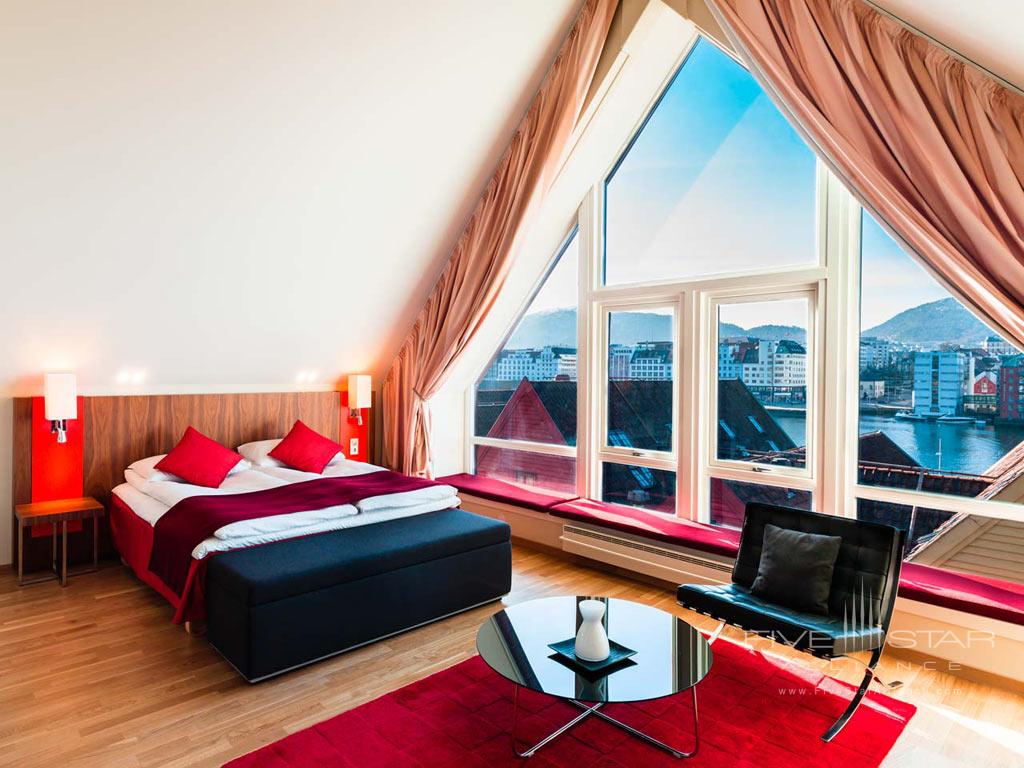
Radisson Blu Royal Hotel, Bergen
Wake up to fjord views and the charm of Bergen’s UNESCO-listed Bryggen waterfront.
Starting from
$129USD


Travel Magazine Editors
Travel Writer
Find great travel offers related to this story
Five Star AllianceWake up to fjord views and the charm of Bergen’s UNESCO-listed Bryggen waterfront.
Norway's geography can feel daunting at first glance. Mountains rise sharply from the sea, fjords cut deep into the land, and distances stretch endlessly on a map. Yet the country's public transportation network is so well integrated that crossing it feels surprisingly effortless. This two-day route from Bergen to Oslo shows just how seamlessly trains, buses, and ferries connect the west coast to the capital.
Rather than focusing on a single destination, this journey is about movement through the landscape. Each leg reveals a different side of Norway—from coastal cities and narrow fjords to alpine plateaus and forested valleys.
2 DAYS Across NORWAY By Train (Norway in a Nutshell)
Over the course of two days, we’ll make our way across one of the world’s most beautiful countries: Norway. We’ll travel through fjords, over treacherous mountain roads, and across beautiful glacier-fed rivers. And we’ll do it all on public transportation.
Bergen is the natural starting point. Compact and walkable, the city sits nestled between water and hills, making orientation easy from the start. Take the short funicular ride up Mount Fløyen for context before your journey begins. From the top, the city's harbor, islands, and surrounding peaks spread out below, offering a clear sense of how terrain shapes daily life here.
Back at sea level, Bergen's rail station serves as the gateway east. Trains depart regularly, and even the first stretch toward Voss sets expectations for what's ahead, with lakes and valleys sliding past the windows.

The Most Stunning Ferry Ride begins at Gudvangen
The transition from train to bus marks a shift in scale. The road winds through steep terrain, climbing high enough to warrant a brief stop at a historic mountain hotel known for its sweeping views. Even a short pause here underscores just how vertical this region is, with hairpin turns and deep ravines defining the landscape.
The bus descent ends at Gudvangen, a small village perched at the fjord's edge where your next mode of transport awaits. Boarding the ferry feels less like a transfer and more like an event. The passage to Flåm is quiet and measured, with sheer rock walls, waterfalls, and scattered farms clinging to narrow strips of land. This is one of the few stretches where slowing down feels essential rather than optional.

Picturesque Mountain Villages
Flåm is small, but it works perfectly as an overnight stop. After a day of continuous motion, the town offers just enough to fill an evening without distraction. Short hikes lead to nearby waterfalls, and the surrounding mountains feel close enough to touch.
Dinner tends to be informal, often centered around local breweries or straightforward Nordic menus. It's less about fine dining and more about unwinding, with the sense that tomorrow's journey will bring a different kind of spectacle.

An Unforgettable Train Ride
The following morning begins with one of Norway's most famous rail lines. The Flåm Railway climbs steeply from sea level to Myrdal, passing through tunnels and alongside cascading streams. The engineering alone is impressive, but it's the changing scenery that truly stands out—forests give way to bare rock and open mountain terrain.
At Myrdal, the line connects seamlessly with the main route toward Oslo. The train east crosses the Hardangervidda plateau, passing through Finse, the highest point on the journey. Snow can linger here well into summer, lending the landscape an austere, almost Arctic feel.
Onboard amenities make the long ride comfortable. Family-friendly carriages and a café serving simple meals turn what could be just a transit day into a relaxed experience, perfectly suited for watching the scenery unfold.

The End of the Line
As the train descends toward Oslo, the environment softens. Mountains flatten into rolling hills, forests thicken, and towns appear more frequently. By the time the train pulls into the capital, the fjords feel worlds away—even though the journey has taken just two days.
This route can be done efficiently with transportation-only tickets, often priced around a few hundred dollars per person. For travelers who prefer a slower pace or included accommodations, multi-day packages that bundle hotels and transit offer more flexibility at a higher cost.
More than anything, this journey demonstrates how accessible Norway's most dramatic landscapes can be. With thoughtful planning and a willingness to let public transit set the rhythm, the trip from Bergen to Oslo becomes not just a transfer, but a destination in itself.
Watch the companion video above to see this journey come to life with stunning footage of the fjords, railways, and mountain plateaus

Be the first to discover new travel guides and destination insights delivered to your inbox.


