Brussels has long been framed as a seat of bureaucracy rather than a destination worth seeking out. Spend a few days on the ground and that impression doesn't hold. This is a city shaped by layers of history, migration, and a deeply local sense of pleasure, where the monumental and the everyday sit comfortably side by side.
The BEST things to do in Brussels 🇧🇪🍻 Handpicked by the Locals
Want to know exactly what to do and where to go in Brussels, Belgium? Then you MUST watch this video!
📺YouTube📍Brussels🎬Withlocals
Beer as Cultural Language
Beer is a good place to start, not because it's novel, but because it's taken seriously here. Belgian beer culture is less about volume and more about intention. Glassware is matched to individual brews, aromas matter, and styles range from centuries-old traditions to experimental modern takes. A bar like L'Image Notre-Dame channels the city's medieval past, while newer producers such as Brussels Beer Project embrace collaboration and outside influence. Together they show a culture that respects tradition without being trapped by it.
Grand Place before the crowds arrive. The guild halls are best appreciated with space to look.
📍Brussels📌 Grand Place
Architecture That Still Sets the Pace
That balance shows up in the city's architecture too. Grand Place is rightly famous, but it's best appreciated with timing. Early mornings reveal details that disappear in crowds: ornate guild halls, subtle asymmetries, and the quiet authority of the square itself. In the evening, the space becomes social rather than ceremonial, animated by cafés and conversation.
Art in the Open
Art in Brussels isn't confined to museums, though there are excellent ones. The city treats visual culture as part of the public realm. Comic murals appear unexpectedly on residential streets, graffiti sits alongside sanctioned public art, and performance spills into squares and parks. This reflects Brussels' role as a crossroads city, shaped by French, Flemish, African, and international influences. Few neighborhoods illustrate this better than Matonge, where Congolese restaurants and shops give the city real depth.
One of dozens of comic murals scattered across the city's residential streets
📍Brussels📌 Brussels Alleyway
Eating Like a Local
Food in Brussels mirrors its broader character. Classic dishes draw from both French refinement and heartier northern European traditions, but the most interesting meals often come from immigrant communities. Belgian fries are worth trying precisely because locals take them seriously, pairing them with sauces that go well beyond ketchup. Chocolate, too, is more about craft than novelty. Truffles, ganache, and pralines are made with restraint and precision, intended to be savored.
The world class double fried Belgian Frites. Available on (almost) any corner.
📍Brussels📌 The Best Fries
Evenings and Everyday Rituals
As evening sets in, the city becomes more social than showy. Place Sainte-Catherine fills with locals lingering over dinner, while Place Poelaert offers one of the best views in Brussels, the city stretching out quietly below.
Markets and shopping arcades provide another window into daily life. The Marolles flea market is less curated than similar markets elsewhere in Europe, and that's the point: antiques next to car parts, vinyl records beside household tools. For something more refined, Galeries Royales Saint-Hubert is worth the detour, not just for its shops but for the simple pleasure of walking beneath its glass roof with a coffee.
Galeries Royales Saint-Hubert, built in 1847. Worth walking through even if you're not shopping.
📍Brussels📌 Galeries Royales Saint-Hubert
Green Space at the Center
Parks here are functional rather than ornamental, used for jogging, picnics, and quiet breaks from the urban pace. Mont des Arts is particularly good, connecting museums, gardens, and views across the city. The rooftop restaurant at the Musical Instruments Museum nearby offers one of the best panoramas in Brussels, especially at dusk.
A City Opening Up
Brussels is also becoming easier to reach. New long-haul routes are opening this summer, including expanded connections from South America, which is drawing attention from travelers who might not have previously considered it a primary destination. For a city that has always thrived on international exchange, that feels like a natural development.
Where to Stay
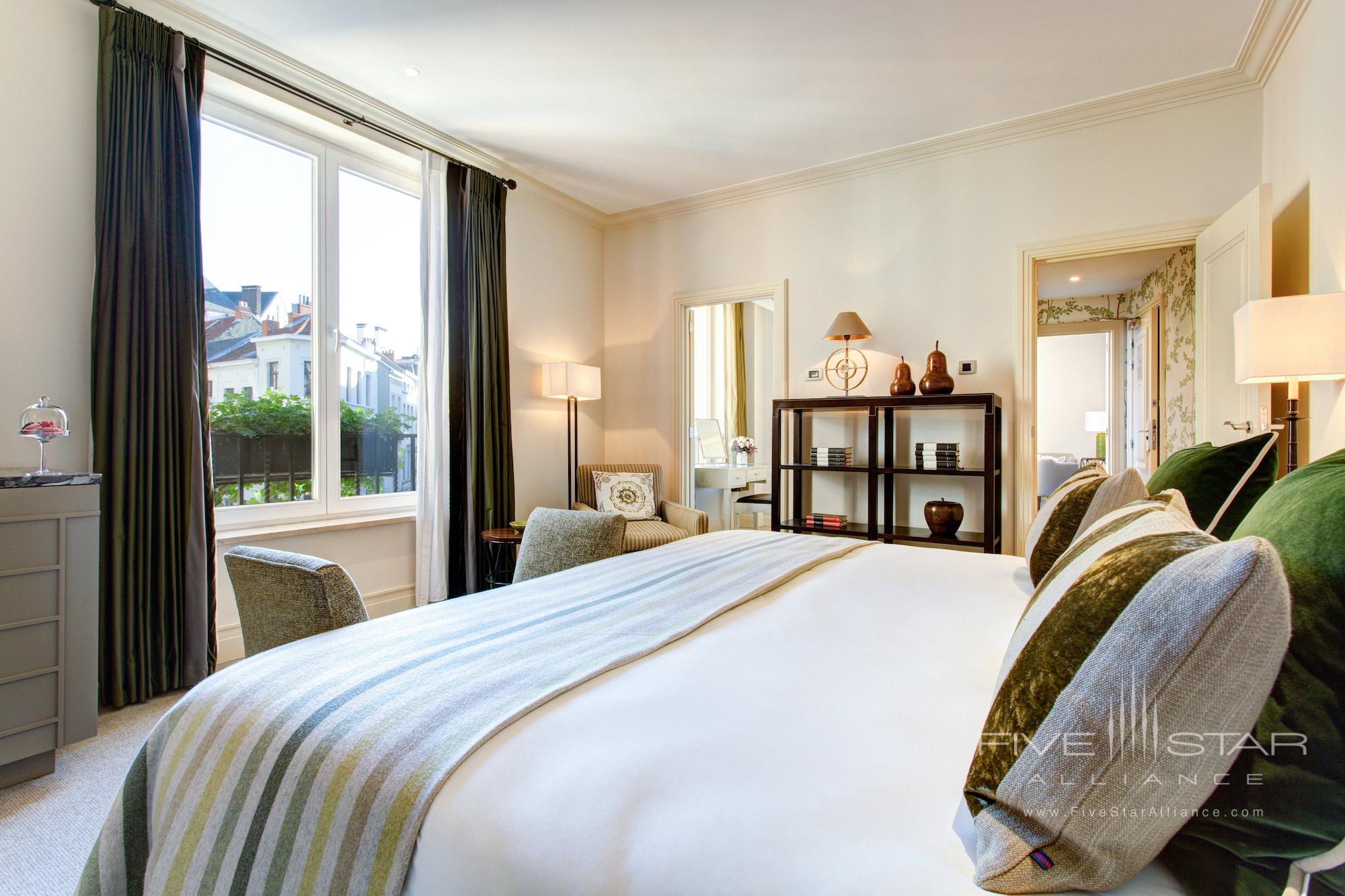
For a well-located luxury base, Rocco Forte Hotel Amigo sits just steps from Grand Place and offers a calm counterpoint to the city outside.
Why Brussels Lingers
What defines Brussels isn't any single landmark or experience. The city doesn't package itself neatly, and that's its strength. Slow down, wander, and it tends to pay off.


 Five Star Alliance


