Jordan is one of those destinations people talk about constantly but hesitate to actually book. That hesitation makes sense—it's in a complicated region, it feels ambitious, and there's always another year. But once you go, you understand what sets it apart.
This is a country that delivers multiple bucket-list experiences in one trip: a lost city carved into rose-colored stone, a vast desert that feels untouched by time, and a sea where your body floats effortlessly. Jordan isn't about hopping between cafés or exploring neighborhoods. It's about movement, contrast, and immersion.
Despite its location, Jordan itself is remarkably stable and welcoming. Tourism is central to the economy, and travelers are treated accordingly. What surprises most visitors isn't just how much there is to see—it's how manageable it all feels.
If you're looking for one unforgettable trip rather than a familiar city break, Jordan delivers.
Our First Time in JORDAN 🇯🇴 …and We’re Shocked!
Welcome to Jordan! We're so happy to be here and experiencing a whole new part of the world and the new culture and shock that comes with that. It's safe to say that our first impression of Jordan, Jerash City and Amman are ahhhhmazing!
📺YouTube📍Jordan🎬Dane and Stacey
First-Timer Questions, Answered
Is Jordan safe for tourists? Yes. Jordan consistently ranks as one of the safest countries in the Middle East. Tourism is a national priority, and infrastructure reflects that.
Is it easy to travel independently? Very. Roads are well-maintained, signage is clear, and locals are helpful.
Do I need a guide? Useful at Petra, optional elsewhere. Many travelers hire a driver for convenience rather than necessity.
Is it culturally intimidating? Not at all. Jordan is warm, patient, and unpretentious with visitors.
Best Time to Visit
Timing matters, and getting it right shapes the entire experience.
March–May and September–November offer warm days, cool nights, and ideal conditions for Petra and Wadi Rum. These are the best months for most travelers.
June–August is extremely hot, especially in Petra and the desert. It's manageable with early starts and midday breaks, but not ideal.
December–February brings cooler temperatures and fewer crowds. Petra remains open, though mornings can be cold.
Spring and fall hit the sweet spot: comfortable weather, smaller crowds, and beautiful light.
How Long to Stay
Jordan rewards pacing.
5 days: Highlights only—Petra, Wadi Rum, and the Dead Sea with little breathing room.
7 days: Ideal for a first visit, balancing depth and flow.
9–10 days: Allows for slow travel, deeper exploration of Petra, and visits to lesser-known sites.
Seven days is where Jordan starts to feel generous rather than rushed.
The Classic Route
Jordan works best as a journey, not a single base.
Most trips begin in Amman, a modern capital layered over ancient ruins, where Roman theaters sit beside coffee shops and bakeries. From there, the route unfolds naturally southward.
Petra is the historical and emotional core. Wadi Rum strips everything back to silence and scale - the desert overnight and stargazing is truly unforgettable. Lastly, The Dead Sea restores the body before departure - this is where you might want to splurge on a luxury stay.
Each stop contrasts the last, which is why the route works so well.
Petra: What to Expect
Petra is not just the Treasury. It's a vast archaeological city spread across valleys, cliffs, and staircases carved directly into stone. Expect walking—sometimes a lot of it. Comfortable shoes are essential.
One day gives you the highlights. Two days let Petra reveal itself. The Monastery alone requires a demanding but rewarding climb.
Petra by Day is expansive and humbling. Petra by Night is atmospheric but limited—worth seeing if you're curious, but not essential. The real magic happens in the quiet corners you reach on foot, after the crowds thin.
An overnight stay in Wadi Rum offers an immersive experience into the unique desert landscape and Bedouin culture, with accommodation options ranging from traditional Bedouin tents to luxury "bubble" domes. Stays typically include meals (dinner and breakfast), guided tours, and stargazing opportunities
📍Jordan📌 Wadi Rum Desert
Wadi Rum: The Desert Experience
Wadi Rum isn't something you see. It's something you feel.
The silence is profound. The scale is disorienting. Time stretches under a sky that feels impossibly large.
Staying overnight transforms the experience. Desert camps—ranging from comfortable mid-range to full luxury—offer proper beds, warm meals, and remarkable stargazing.
This is where Jordan slows you down in the best possible way.
The Dead Sea: What It's Really Like
Floating is surreal—but brief. Most people float for ten minutes, take photos, and move on.
What lingers is the atmosphere. Early mornings and late afternoons are best, when the light softens and the heat fades. One or two nights is plenty.
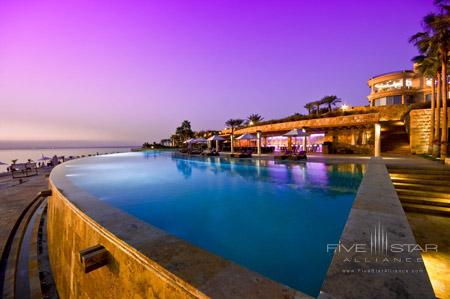
The Dead Sea works best at the end of the trip, when your body is tired and your mind is full. A stay at a resort like Kempinski Hotel Ishtar Dead Sea elevates this final chapter with serene pools, expansive views, and a sense of calm that feels earned.
Getting Around
Logistics are easier than expected.
Hiring a driver is common and affordable, especially for first-timers. Self-driving is also straightforward, with good roads and relatively short distances between major stops.
Jordan is compact. What looks long on a map rarely feels exhausting on the road.
Where to Stay
In Amman: Stay central for walkability and dining access.
Near Petra: Proximity to the entrance matters more than luxury.
In Wadi Rum: Choose your camp style rather than worrying about location.
At the Dead Sea: Resorts are the experience—there's no reason to stay elsewhere.
Food & Hospitality
Meals matter in Jordan. From shared mezze and fresh bread to mansaf (the national dish), Jordanian food is generous and social. Tea appears constantly, often without being ordered. Conversations linger.
Hospitality isn't performative. It's instinctive.
Cultural Basics
Dress modestly in cities and archaeological sites; resorts are more relaxed. Ask before photographing people. During Ramadan, be mindful of eating and drinking in public spaces.
Tipping is appreciated but not mandatory. Courtesy goes a long way—and is almost always returned.
Common Mistakes to Avoid
Rushing Petra.Skipping an overnight in Wadi Rum.Visiting the Dead Sea first.Underestimating the sun.Treating Jordan like a checklist instead of a journey.
Jordan rewards patience more than speed.
Cost Expectations
Jordan isn't cheap, but it delivers value. Transport and desert camps add up, but the experiences feel substantial and lasting.
This is a place where what you spend stays with you.
Why Jordan Stays With You
Jordan surprises people. It feels ancient without being distant, foreign without being intimidating. It grounds you. Many travelers quietly rank it among their top trips.
Jordan doesn't demand attention. It waits—patiently—for travelers willing to meet it halfway.


 Five Star Alliance


