


Mauritius, Beyond the Shoreline
An Island Misunderstood
Mauritius is often introduced as a beach destination, and the beaches are undeniably exceptional: impossibly clear water, pale soft sand, lagoons built for unhurried days. But stopping at the shoreline misses the point. This is an island with a complex interior, one that reveals itself to travelers willing to look past the obvious.
Set in the Indian Ocean east of Madagascar, Mauritius carries traces of Africa, India, China, France, and Britain, not as disconnected influences but as a lived-in blend. The result is a place that feels welcoming, layered, and quietly confident. Luxury exists here, but it doesn't eclipse daily life. Adventure is accessible yet never compulsory. Mauritius works because it lets you choose your own depth of engagement.
Mauritius: A Hidden Tropical Paradise | Travel Guide
🏝️🇲🇺 MAURITIUS: The Indian Ocean’s Best-Kept Secret | Full Travel Guide 🌊✨ Welcome to Traveling Heavens, where we go beyond the brochures to show you the world’s most soulful places. Today, we’re taking you to Mauritius — an island that looks like paradise from the sky… and feels even better on the ground.
Le Morne Brabant: Beauty with Weight
Rising sharply from the southwestern coast, Le Morne Brabant is one of the island's most striking natural features. This basaltic mass dominates the horizon, but its significance extends beyond aesthetics. Recognized as a UNESCO World Heritage site, Le Morne stands as a symbol of resistance, tied to the history of enslaved people who sought refuge on its slopes during the colonial era.
A guided hike to the summit is physically demanding but contextually profound. The panoramic views stretch across lagoon and reef, while offshore an optical illusion creates the appearance of an "underwater waterfall," a trick of sand and current that looks almost theatrical from above. The mountain's power lies in its duality: spectacular and sobering, serene and heavy with memory. It establishes Mauritius as a place where beauty and history coexist.

The Current and Sands Creating an "Underwater Waterfall"
Into the Wild: Black River Gorges National Park
Inland, the island shifts dramatically. Black River Gorges National Park spans more than 6,000 hectares and shows Mauritius at its most untamed. Dense forest, deep ravines, and cascading waterfalls replace the manicured calm of the coast. Hiking trails wind through the park, offering access to viewpoints and ecosystems that feel far removed from the resort experience.

Traveling Inland is just as Beautiful
This is also where Mauritius reveals its quieter wildlife story. Rare endemic birds inhabit the forest canopy, and the park plays a crucial role in conservation. Time moves differently here. The luxury is not in amenities but in space, air, and perspective. Even half a day in the gorges reframes the island, a reminder that Mauritius has a wild heart still beating strongly.
Chamarel: Color, Water, and Elevation
The village of Chamarel adds another dimension to the interior. Best known for the Seven Colored Earth, this geological formation is genuinely strange. Rolling dunes display natural bands of red, violet, blue, and ochre, their intensity shifting with the light and weather. It's a phenomenon that feels both scientific and slightly surreal.

Rolling Dunes Showcasing Natural Bands of Red, Violet, Blue, and Ochre
Nearby, Chamarel Waterfall plunges dramatically into a green gorge, impressive even from a distance. Together, these sites underscore the island's verticality. Mauritius is not flat or predictable. Staying in this region, particularly in an eco-focused lodge, offers a cooler climate, slower pace, and a sense of being folded into the landscape rather than placed on top of it.
Port Louis: The Island as It Is
No understanding of Mauritius is complete without time in Port Louis. The capital is unapologetically real, a working city where commerce, religion, and daily life intersect in close quarters. Colonial-era buildings stand beside modern towers, while mosques, temples, churches, and pagodas share the same neighborhoods.

Explore the Diverse Cultural of the Island's Capital
The Central Market is a sensory crash course: spices, produce, textiles, and street food all competing for attention. Port Louis may not offer postcard perfection, but it provides essential context. It shows how Mauritians live, work, and interact, grounding the island's natural beauty in human scale and history.
A Cuisine Shaped by Movement
Mauritian food is one of the island's quiet triumphs. Shaped by centuries of migration and trade, the cuisine reflects its multicultural roots without feeling fragmented. Indian spices, Chinese techniques, French influences, and African traditions come together naturally, often within the same meal.
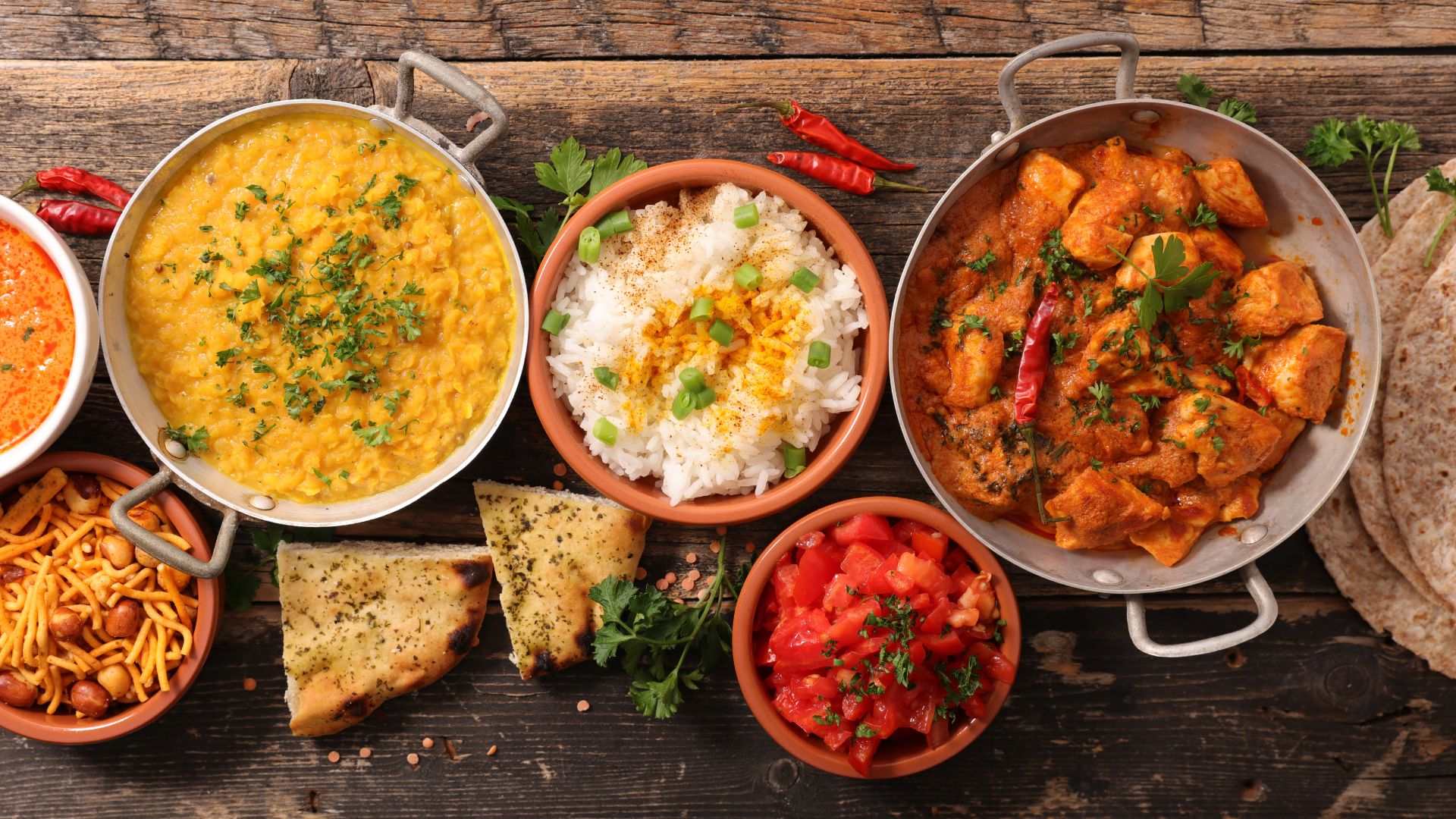
A Perfect Marriage of Worldly Cuisines
Street food plays a central role. Dholl puri, gateaux piments, and similar snacks are woven into daily life, offering bold flavors at modest prices. Fine dining, meanwhile, leans into fresh seafood, local produce, and restrained creativity. Meals here are rarely performative. They're satisfying, comforting, and expressive of place. For travelers who value food as cultural insight rather than trend, Mauritius delivers.
Where to Stay: From Refined Resorts to Thoughtful Retreats
Accommodation on the island reflects its broader balance. Established luxury resorts such as The St. Regis Mauritius Resort and the Four Seasons at Anahita provide privacy, attentive service, and strong culinary programs. These properties excel at integrating water, light, and landscape, offering indulgence without excess.
Equally compelling are smaller, character-driven stays. Eco-boutique lodges in places like Chamarel prioritize sustainability and intimacy, while unique concepts such as bubble-style accommodations allow guests to sleep immersed in nature. Mid-range hotels and local guesthouses round out the options, making it easy to design a stay that aligns with both budget and values.

Luxury & Peace
Moving Around and Finding Your Pace
Mauritius is well connected internationally, and once on the island, navigation is straightforward. Renting a car opens up the interior and allows for a more personal experience. Distances are short, and the ability to stop at viewpoints, villages, or roadside eateries adds depth to even simple drives.
What stands out is how uncrowded the island feels. Even at popular sites, there's space to breathe. Mauritius doesn't demand constant motion or overscheduling. It allows travelers to shift easily between activity and stillness, between exploration and rest.
A Complete, Unforced Experience
Mauritius succeeds because it resists extremes. It's luxurious without being insular, adventurous without being exhausting, and culturally rich without being overwhelming. The island invites engagement but never insists upon it. You can hike, dive, eat expansively, or do very little at all, and still feel you've experienced something whole.
For travelers who appreciate adventure tempered by comfort, cuisine grounded in real lives, and destinations that reveal themselves gradually, Mauritius offers something rare. It's not just a place to escape to, but a place to understand on your own terms, at your own pace.


