Mexico City: A Complete Guide to One of the World's Most Exciting Cities
By Travel Magazine Editors •Dec 31, 2025
Share this Story:
Why Mexico City Deserves Your Attention
Mexico City has a way of rewriting expectations. Despite being one of the largest cities on Earth, it rarely feels overwhelming when experienced on its own terms. This is a capital of extraordinary food, design, history, and contemporary culture, layered across centuries and neighborhoods rather than concentrated into a single tourist corridor.
What surprises most travelers is how green, walkable, and genuinely local it feels. Tree-lined avenues, café terraces, and neighborhood parks soften the megacity scale. Mexico City rewards curiosity over checklists, and those who slow down often discover a place that feels simultaneously global, intimate, and unmistakably alive.
How to Spend 5 Days in MEXICO CITY | Travel Itinerary & Travel Guide
Ready to explore vibrant Mexico City? We’re excited to share with you our top picks for a five-day adventure that’s sure to be unforgettable. From the ancient grounds of Teotihuacan, where you can explore the Pyramid of the Sun, to the heart of the city. Experience the colorful boats in Xochimilco to everything in between. Get the best Mexico City travel tips for your adventure with this Mexico City Travel Guide
📺YouTube📍Mexico City 🎬Martijn Around The World - Travel
Mexico City at a Glance
Built on an ancient lakebed, Mexico City is best approached as a collection of distinct neighborhoods, each with its own rhythm, personality, and daily rituals. First impressions often defy assumptions: the city feels orderly, social, and visually striking, with colonial facades beside modernist landmarks and contemporary design. Rather than trying to "see it all," travelers are better served by settling into a few areas and letting the city reveal itself naturally.
When to Visit
Mexico City welcomes visitors year-round, but seasons shape the experience. March through May is ideal, with warm, dry days and jacaranda trees painting entire streets purple. Fall brings pleasant temperatures and occasional rain, while summer afternoons often deliver brief showers that leave the city lush and refreshed. Winter is mild and lively, especially around the holidays. Regardless of season, the cultural calendar and food scene keep the city vibrant.
How Long to Stay
Three days offers a taste. Four to five days is ideal for a first visit, allowing time to explore several neighborhoods without rushing. Six to seven days opens the door to deeper exploration and easy day trips to places like Teotihuacán or Puebla. Mexico City reveals itself slowly, neighborhood by neighborhood, and longer stays tend to feel more rewarding rather than excessive.
ROMA NORTE Mexico City | The trendiest neighborhood in CDMX
In this video I show you some of the best places to see in Roma Norte Mexico City like Alvaro Obregón Avenue, Plaza Rio de Janeiro, Glorieta de Cibeles, Mercado Medellin and some of my favourite parks, bars, nightclubs and 2 of the best rooftops bars in Mexico City!
📺YouTube📍Mexico City 📌 Roma Norte🎬Israel Plata
Neighborhoods That Shape the Experience
Roma Norte is often where travelers fall in love with the city. Cafés spill onto sidewalks, galleries occupy converted houses, and restaurants range from casual taquerías to celebrated destinations. It's walkable, photogenic, and endlessly interesting.
Condesa feels greener and more relaxed, defined by Art Deco architecture and park-lined streets where locals jog, practice yoga, and gather for weekend markets. The circular street layout around Parque México creates an almost European village atmosphere.
Centro Histórico is monumental and intense, home to the Zócalo plaza, Metropolitan Cathedral, and layers of history stretching back to the Aztec empire. It's crowded, dramatic, and essential.
Coyoacán, farther south, offers a slower, more residential pace with cobblestone streets, markets, courtyards, and a strong cultural identity. This is where Frida Kahlo lived and worked, and the neighborhood still feels artistic and somewhat bohemian.
Where to Stay
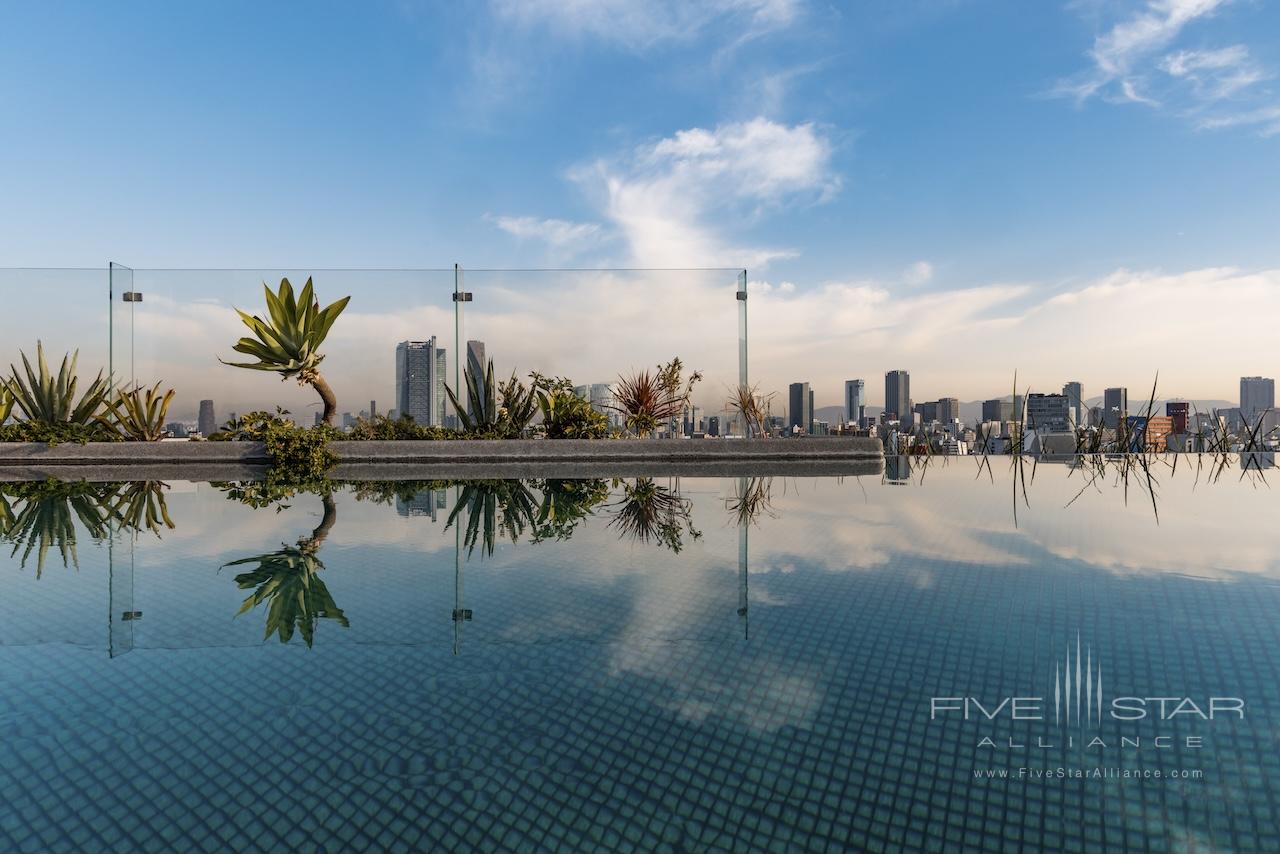
For most travelers, Roma Norte and Condesa make ideal bases. Both neighborhoods are walkable, well-connected by metro and Uber, and rich with dining options and everyday life. A standout option is Andaz Mexico City Condesa, which blends modern design with a central location. The rooftop views and comfortable interiors suit travelers who want a sense of ease without disconnecting from the neighborhood's rhythm.
Is Mexico City Safe?
Safety in Mexico City varies by neighborhood, much like any major global city. Areas popular with visitors—Roma, Condesa, Polanco, and Centro Histórico—are busy, well-patrolled, and accustomed to tourism. Violent crime is rarely directed at visitors.
Practical habits matter: stick to known neighborhoods, use Uber or registered taxis at night, avoid displaying expensive jewelry or electronics, and stay aware without being anxious. For most travelers, Mexico City feels no more intimidating than New York or Paris, and often more welcoming.
Getting Around
Uber is the easiest way to move between neighborhoods and is remarkably affordable. Walking works well within neighborhoods themselves—Roma and Condesa are particularly pedestrian-friendly. The metro is efficient and costs just a few pesos, though it can be crowded during rush hours.
Distances can be deceiving on a map, so planning by neighborhood rather than individual attractions helps keep days relaxed and enjoyable.
What to See (Without Trying to See Everything)
Start with the Centro Histórico for its landmarks and electric energy. The Zócalo, Palacio de Bellas Artes, and surrounding streets offer a concentrated dose of history and architecture.
Spend time in Chapultepec Park, one of the world's largest urban parks, and visit Chapultepec Castle for sweeping views across the city. The park also houses several museums and is a weekend gathering spot for local families.
Choose one major museum and give it proper attention. The Frida Kahlo Museum (Casa Azul) offers intimate insight into the artist's life, while the National Museum of Anthropology is one of the finest museums in the Americas, with unparalleled collections of pre-Columbian art and artifacts.
Think of these as invitations rather than obligations. Mexico City rewards depth over breadth.
Food is woven into daily life here in ways that feel almost ritualistic. Street stands, markets, and restaurants coexist seamlessly, and tacos taste different in the city where they evolved over centuries. From early morning tamales wrapped in corn husks to late-night al pastor carved from a vertical spit, eating here is both social and deeply satisfying.
Markets like Mercado de San Juan and Mercado Roma offer immediacy and tradition, while restaurants like Pujol, Quintonil, and Contramar push boundaries and earn international acclaim without losing their sense of place. For many travelers, the food alone justifies the trip—and the return visit.
A Relaxed 4–5 Day Itinerary
Day 1: Ease into Roma and Condesa. Walk the neighborhoods, stop at cafés, explore parks and bookshops.
Day 2: Centro Histórico in the morning when light hits the cathedral just right. Spend the afternoon eating your way through markets or street stands.
Day 3: Chapultepec Park and either the Castle or National Museum of Anthropology. Save energy for a proper dinner.
Day 4: Coyoacán, including the Frida Kahlo Museum (book ahead), market browsing, and wandering the plazas.
Optional Day 5: Xochimilco's colorful trajinera boats for a Sunday experience, or Teotihuacán's ancient pyramids for a half-day excursion.
Practical Insights
Mexico City sits at 7,350 feet above sea level, and the altitude can slow you down during your first day or two. Stay hydrated, take it easy, and don't schedule too much for your arrival day.
Carry some cash for markets, street food, and smaller establishments, though cards are widely accepted in restaurants and shops. Dining happens later here—lunch peaks around 2 or 3 p.m., and dinner often starts after 9 p.m.
On Sundays, major streets close to traffic for the ciclovía, when thousands of cyclists, runners, and families reclaim the roads. It's a wonderful time to experience the city at its most communal.
Common Missteps to Avoid
Don't underestimate the altitude or pack too many neighborhoods into a single day. Don't skip street food out of unnecessary caution—it's often cleaner and fresher than you'd expect. And don't treat the city like a checklist to be conquered. Mexico City rewards patience and presence.
Cost & Value
Food is remarkably affordable relative to quality—you can eat extraordinarily well for $20–30 per person, and street food costs just a few dollars. Accommodations span every price range, from boutique hotels to global chains. Overall, Mexico City offers strong value compared to other global capitals, and you often get more than you expect.
Why Mexico City Surprises People
Mexico City defies expectations because it refuses to fit into easy categories. It's sophisticated yet unpretentious, massive yet neighborhood-focused, deeply rooted in tradition yet constantly evolving. It's creative, generous, and profoundly human—a place where daily life feels as compelling as the landmarks.
Many travelers leave already planning their return. That's not marketing speak. It's just what tends to happen here.


 Five Star Alliance


