 Five Star Alliance
Azores, Portugal
🏨Hotels
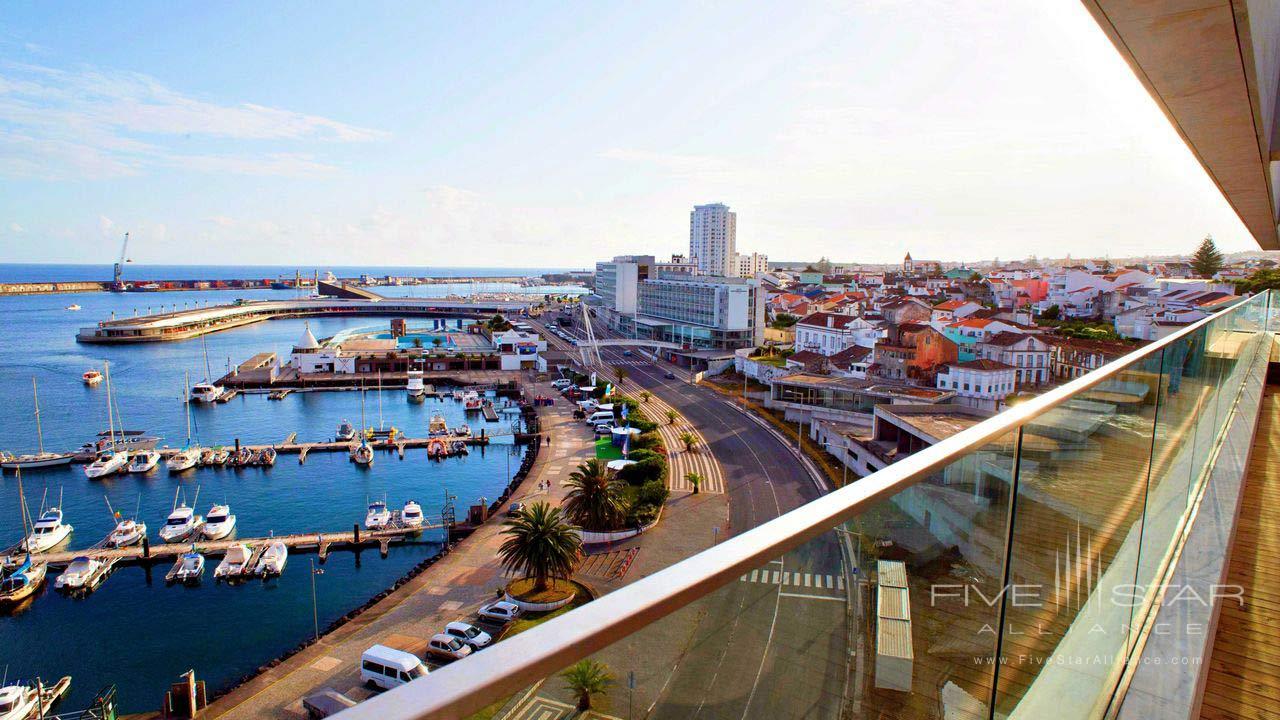
Octant Hotel Ponta Delgada
A luxury waterfront hotel in the heart of Ponta Delgada, featuring incredible views, a spa and thermal pool, and easy access to São Miguel’s landscapes
Starting from
$458USD


Travel Magazine Editors
Travel Writer
Find great travel offers related to this story
Five Star AllianceA luxury waterfront hotel in the heart of Ponta Delgada, featuring incredible views, a spa and thermal pool, and easy access to São Miguel’s landscapes
The Azores are a remote Atlantic archipelago belonging to Portugal, but they don't fit most ideas of what an island destination should be. There are no marquee beaches lined with umbrellas, no singular landmark that defines the place. Instead, the Azores are nine volcanic islands shaped by weather, water, and time. What stands out is scale: wide pastures dropping into the sea, crater lakes hidden inland, clouds moving quickly across open skies. The appeal lies in space and quiet, in landscapes that feel lived-in rather than staged. For travelers more interested in atmosphere than attractions, the Azores offer something increasingly rare—room to breathe.
Europe's Best Kept Secret: The Azores
Is The Azores really Europe’s best kept secret? In this vlog, I explore Sao Miguel Island in the Azores, starting in Ponta Delgada and venturing out to discover natural hot springs, hidden beaches, abandoned hotels, "Dream Roads", volcanic landscapes, and breathtaking ocean views.
The Azores sit in the middle of the Atlantic Ocean, roughly equidistant between mainland Europe and North America. That position has shaped everything from weather patterns to food traditions to the rhythm of daily life. Isolation is part of the story, but not in a romanticized way—it's practical. Supplies arrive by ship or plane. Weather determines plans. Life moves with fewer assumptions of immediacy.
Despite their location, the Azores aren't difficult to reach. Flights connect regularly through Lisbon and Porto, with seasonal direct service from North America. The distance is felt more psychologically than logistically; and understanding that geography is key to understanding the islands themselves.
Most visitors arrive via mainland Portugal, landing first on São Miguel, the largest and most developed island. It functions as the archipelago's main gateway, with the most flight options, infrastructure, and accommodations. From there, inter-island travel is handled by short flights or ferries, depending on the season.
While public transportation exists, renting a car is essential for exploring beyond town centers. Roads are generally good, though occasionally narrow and winding in rural areas. Distances are short, but travel takes time, not because of traffic, but because stopping becomes part of the experience.
The Azores enjoy mild temperatures year-round, rarely too hot or too cold, but the weather is famously changeable. Sun, fog, and rain can all pass through in a single afternoon.
Summer months (June through September) offer the most stable conditions for hiking, swimming, and whale watching. Spring and fall bring fewer visitors and greener landscapes. Winter is quieter, with more rain and fewer ferry routes, but also a stronger sense of local life.
Forecasts matter less here than flexibility. Plans are often adjusted day-of, sometimes hour-by-hour. Travelers who accept this quickly tend to have the best experience.
The heart of the Azores lies inland, where volcanic activity has shaped calderas, crater lakes, and rolling green interiors. On São Miguel, Sete Cidades and Lagoa do Fogo showcase the archipelago's defining scenery: water-filled craters surrounded by steep slopes and low clouds. Similar landscapes appear across other islands, each with subtle variations.
These are not places you rush through. The experience is often quiet and contemplative: walking along a ridge, watching fog lift, noticing how light changes the color of the water below. The Azores are interior islands, best understood from the inside out.
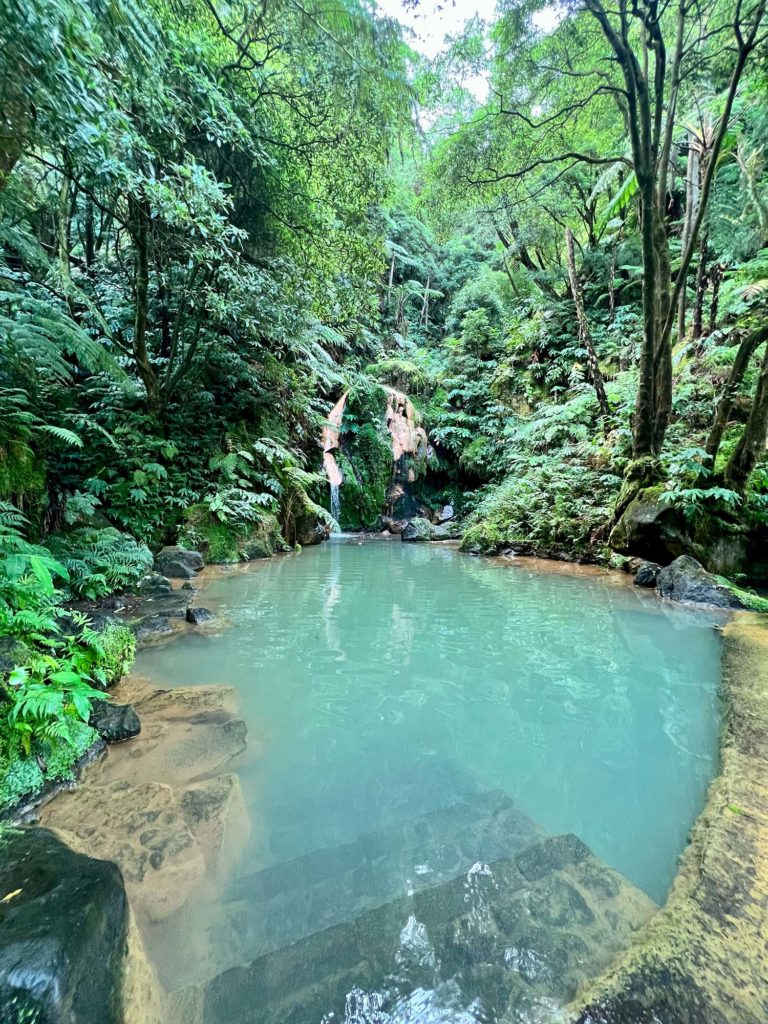
Unwind in São Miguel’s Hot Springs
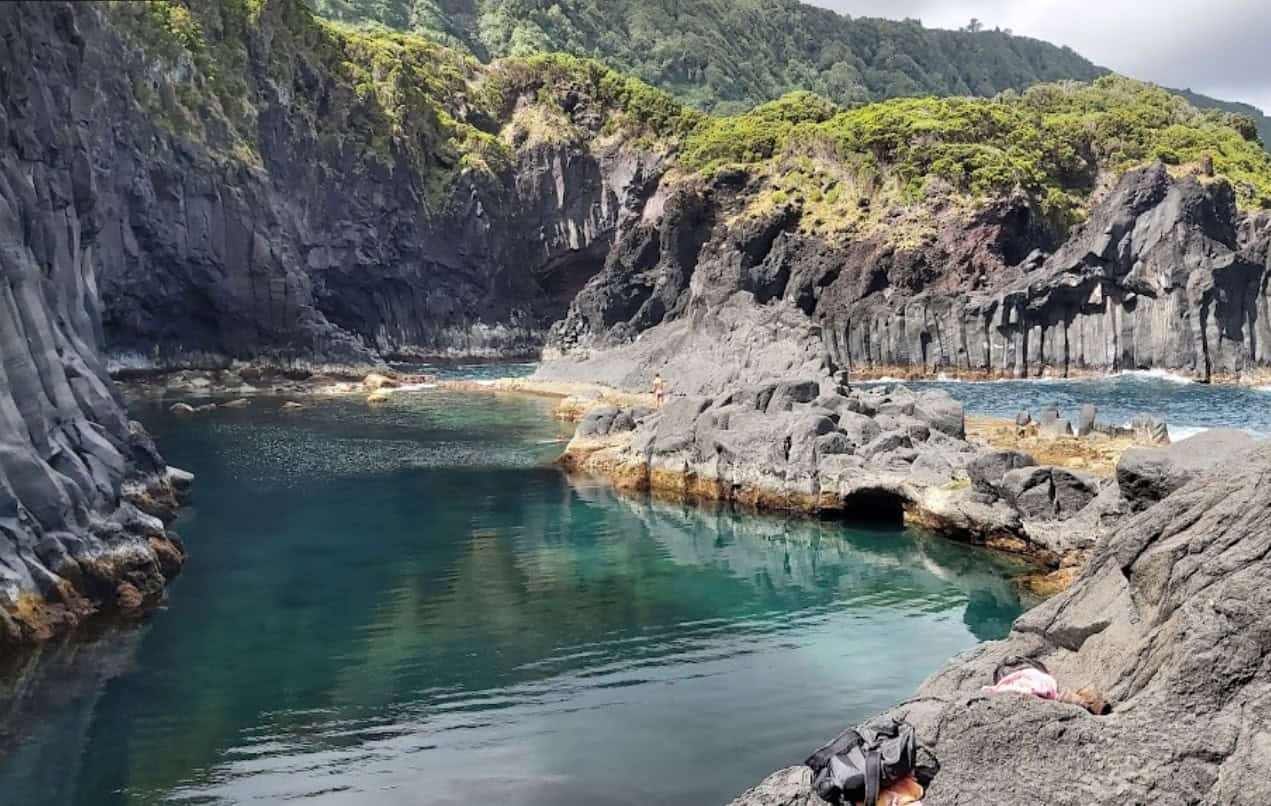
Swim in Incredible Lava Pools in Poça Simão Dias
Volcanic activity remains present at ground level in the form of hot springs and thermal pools, many of them open-air and set directly into the landscape. For locals, soaking is less of an event and more of a habit—something done in the evening, or when the weather turns cool.
Along the coast, swimming often happens in natural lava pools rather than sandy beaches. These protected inlets offer safe access to the ocean while preserving a sense of closeness to the elements. Land and sea are not separate experiences here—they shape daily routines and the way people move through the islands.
Much of the Azores is best experienced without a strict plan. Coastal roads wind past viewpoints that invite unscheduled stops. Short hikes branch off unexpectedly. Light shifts quickly, changing how familiar places feel from one hour to the next.
Driving becomes a form of exploration rather than just transportation. Walking, whether along a coastal path or through a village, often replaces planned activities. The islands encourage this looseness. Time stretches, plans soften, and wandering becomes not just acceptable, but preferable.
Food in the Azores is straightforward and deeply tied to the land and sea. Seafood appears often, prepared simply and served fresh. Beef and dairy are central, the result of pastureland that dominates much of the landscape. Cheeses are local and varied, and produce reflects what grows well in a temperate, rain-fed climate.
One of the region's most distinctive dishes, cozido das Furnas, is cooked underground using volcanic steam: a reminder that geology is never far from daily life. Meals here are extensions of routine, meant to be satisfying rather than impressive, and best enjoyed without hurry.
Accommodations in the Azores tend toward the modest and personal. Guesthouses, rural lodgings, and small hotels are far more common than large resorts. Many are family-run, offering a sense of place rather than luxury amenities.
Location often matters more than the room itself—whether you're near the coast, in the hills, or close to a walking trail. Even in more developed areas, evenings are quiet. The Azores are not a destination where the hotel competes with the landscape. It should simply give you access to it.
Pack for variety. Layers and rain protection are essential, even in summer. Nightlife is limited, and dining tends to start later than in North America, though not as late as southern Europe. Driving is generally easy, but rural roads can be narrow and require patience.
Most importantly, the Azores suit travelers comfortable with quiet. This is not a place built around entertainment or constant stimulation. Those expecting a full calendar of activities may feel restless. Those open to slower days often find more than they anticipated.
The Azores resist urgency. They ask visitors to adjust: to weather, to silence, to the idea that not every day needs a highlight. Planning matters less than presence.
What the islands offer is space: physical space in open landscapes, and mental space created by the absence of noise and rush. At the edge of the Atlantic, life unfolds at its own pace. For travelers willing to meet it there, the reward is not a checklist of sights, but a deeper sense of place—and a rare feeling of having truly arrived.

Be the first to discover new travel guides and destination insights delivered to your inbox.


