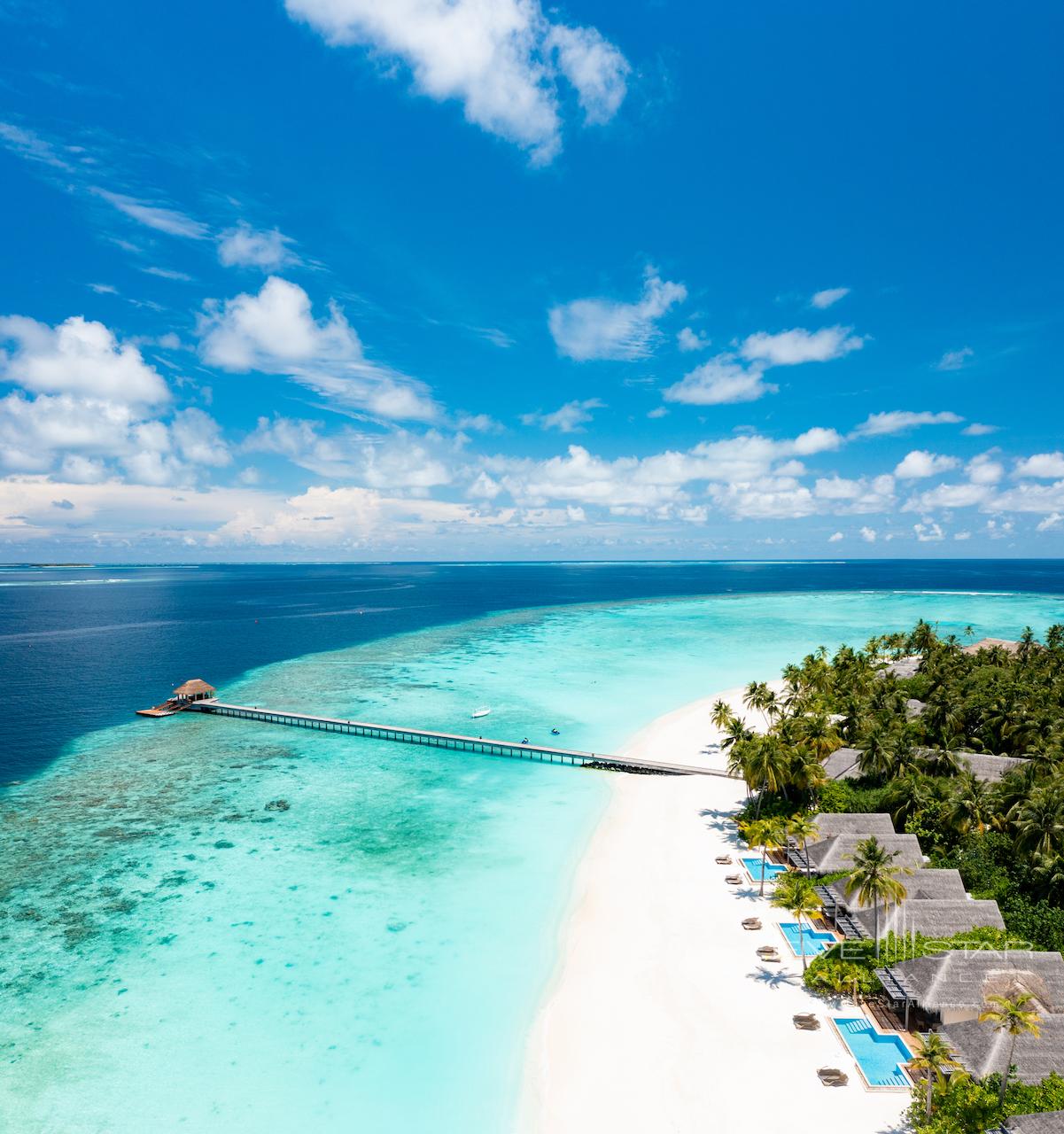
The Maldives has long occupied a particular space in the travel imagination: a place of impossibly blue water, overwater villas stretching toward the horizon, and honeymoon packages that promise total seclusion. The imagery is seductive, and not without reason. But this narrative, while accurate, tells only part of the story. Beyond the resort islands lies a more textured Maldives, one where local communities thrive, cultural traditions endure, and a different kind of travel experience awaits those willing to look for it. The challenge is not choosing between luxury and authenticity, but understanding how resorts, local islands, culture, and conservation can coexist in a single, thoughtfully planned journey.
Why Look Beyond the All-Inclusive Resort
Resort islands in the Maldives operate as self-contained worlds. They're privately leased, designed for total immersion in relaxation and service, and intentionally separated from the rhythms of everyday Maldivian life. There's nothing inherently wrong with this model. For many travelers, it delivers exactly what they're seeking. But staying entirely within resort walls means missing the parts of the Maldives that give the country its identity: the fishing communities, the call to prayer echoing across lagoons at dawn, the cafés where locals gather after work. A blended approach, one that includes time on both resort and local islands, creates a more complete picture and a deeper connection to the place you're visiting.
Life on the Local Islands: Culture, Community & Daily Rhythm
Maafushi Maldives Guide - Prices and Things to Do
We visited Maafushi in the Maldives to see if we could do it on a budget.
📺YouTube📍Maldives📌 Maafushi🎬 Parks Travel Guide
Maafushi & the Rise of Local-Island Travel
For years, tourism in the Maldives was exclusively resort-based. That changed in 2010, when the government began allowing guesthouses on inhabited islands. Maafushi, located in South Malé Atoll, became the prototype for this new model. Today, it's home to dozens of small guesthouses, local cafés, dive shops, and tour operators, all owned and operated by Maldivians. The island has a working harbor, a main street lined with small businesses, and a bikini beach set aside for tourists. It's not pristine in the resort sense, but it's real. For first-time visitors interested in local-island travel, Maafushi offers an accessible entry point: close to Malé, easy to navigate, and with enough infrastructure to feel comfortable without feeling corporatized.
Fishing Traditions, Food & Island Life
Fishing isn't just an economic activity in the Maldives; it's the foundation of the culture. Daily life on local islands revolves around the sea and the rhythms of Islamic practice. Mornings begin early, with fishermen heading out before sunrise. Afternoons are punctuated by prayer. Evenings bring families together over meals of grilled tuna, coconut-based curries, and roshi, a flatbread that accompanies nearly every dish. In local cafés, you'll find mas huni (shredded smoked tuna with coconut and onion) served for breakfast, and rihaakuru (a thick fish paste) used as a condiment. The food is simple, flavorful, and deeply tied to place. Eating on local islands means participating in that continuity, not just observing it.
Golha Riha: The Most Incredible Fish Curry In The Maldives
📺Journy TV
Staying on Local Islands: What to Expect
Guesthouses on local islands vary in quality, but many now offer boutique-level comfort: air-conditioning, private bathrooms, Wi-Fi, and modern amenities. What they don't offer is the sprawling luxury of resort properties. Rooms are smaller, service is informal, and the experience is more self-directed. Because these are inhabited islands governed by Maldivian law, cultural norms apply. Bikinis are restricted to designated bikini beaches. Modest dress is expected elsewhere. Alcohol is not sold or consumed on local islands, full stop. For travelers who prioritize beach bars and poolside cocktails, this is a significant consideration. For those interested in cultural exchange, community interaction, and a more grounded experience, local islands offer something resorts cannot.
The Resort Experience, Done Thoughtfully
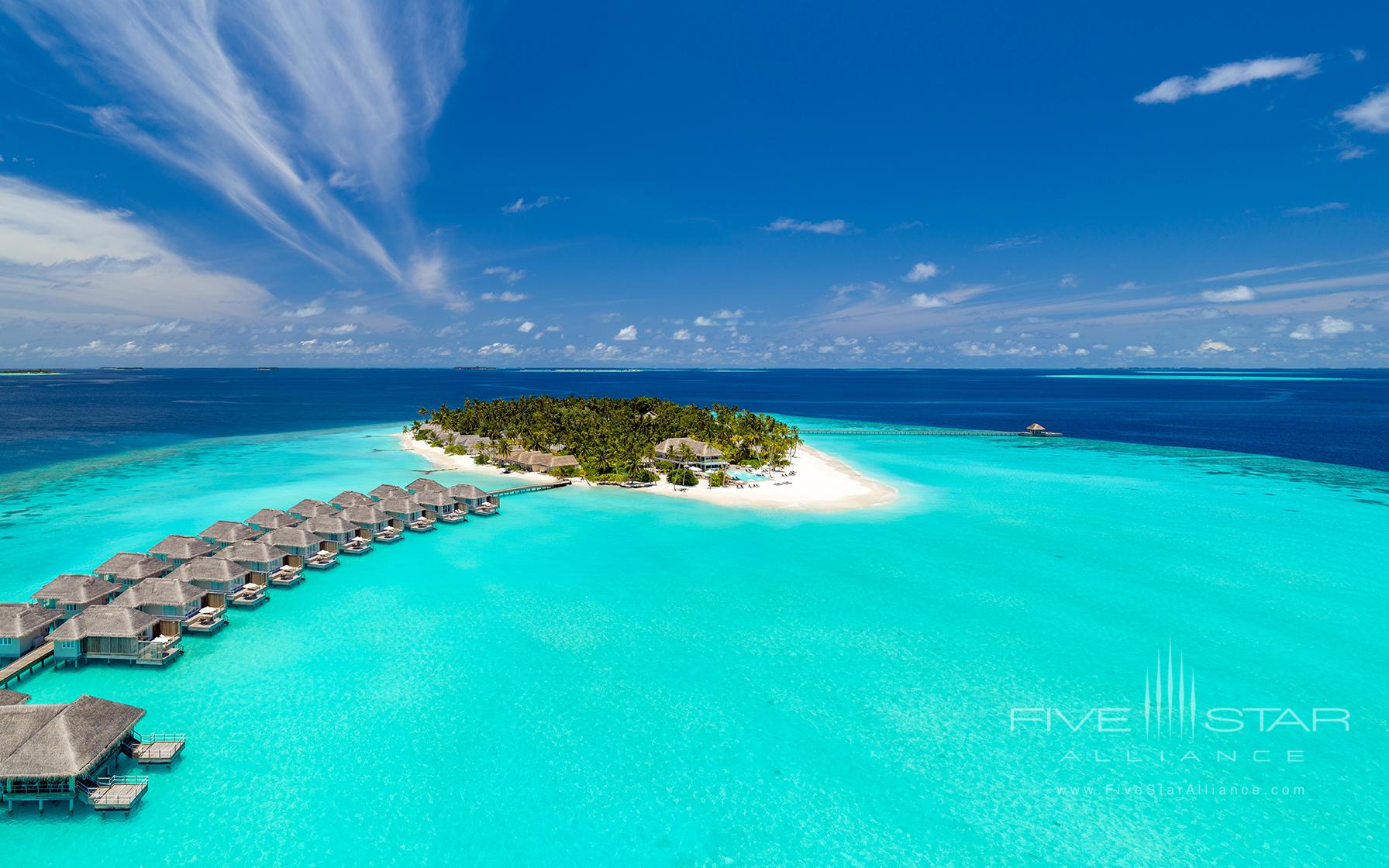
Resorts still play an important role in Maldivian tourism, and dismissing them entirely misses the point. Many properties now integrate sustainability into their operations: reef restoration programs, partnerships with marine biologists, waste reduction initiatives, and commitments to employing Maldivian staff. Some offer cultural programming, bringing in local musicians, chefs, or historians to share their knowledge with guests. These efforts matter. They represent a shift toward tourism that benefits both visitors and the communities that host them. A short resort stay, particularly one that emphasizes conservation and cultural engagement, can complement time spent on local islands. It's also where alcohol is legally available, for travelers who consider that part of their vacation experience. The key is choosing resorts that align with your values and understanding what you're supporting with your money.
Beautiful Beaches and Crystal Clear Water at Baglioni Resort
📍Maldives📌 Baglioni Resort
Getting There: Transfers, Seaplanes & What "All-Inclusive" Really Means
Resort islands are accessible only by speedboat, seaplane, or a combination of domestic flight and boat transfer. Speedboat transfers are sometimes included for resorts close to Malé, but seaplane and domestic flight transfers almost always cost extra. These aren't small expenses. A round-trip seaplane transfer can easily run several hundred dollars per person, and it must be arranged through the resort, not independently. Seaplanes operate only during daylight hours, which means your arrival and departure times in Malé need to align with transfer schedules. If you land in the evening, you may need to overnight in Malé before reaching your resort. When resorts advertise "all-inclusive," the transfer often isn't included. Clarifying this in advance prevents unwelcome surprises and allows for more accurate budgeting.
The Natural World: Reefs, Lagoons & Conservation
The real luxury of the Maldives isn't the villas. It's the coral reefs. These underwater ecosystems are among the most biodiverse on the planet, home to manta rays, reef sharks, sea turtles, and thousands of species of fish. Snorkeling and diving here can be extraordinary, whether you're exploring a resort house reef or joining a dive excursion to a remote atoll. But the reefs are also fragile. Rising ocean temperatures have caused widespread coral bleaching, and the low-lying geography of the Maldives makes it one of the countries most vulnerable to climate change. Many resorts and local operators now participate in reef restoration and conservation programs. As a traveler, you can minimize your impact by choosing reef-safe sunscreen, avoiding contact with coral, and supporting businesses that prioritize environmental stewardship.
How to Plan a Balanced Maldives Trip
Combining local islands and resorts in one itinerary is not only possible, it's increasingly common. A typical approach might include three or four nights on a local island like Maafushi or Thulusdhoo, followed by two or three nights at a resort. This allows you to experience both modes of travel without overextending your budget. Be realistic about costs. Budget guesthouses start around $50 per night, while mid-range resorts begin closer to $400, and luxury properties can exceed $1,000. Factor in transfers, meals, excursions, and activities. Match your travel style to the right islands and accommodations. If you value cultural immersion and don't mind foregoing alcohol, spend more time on local islands. If you want privacy, full-service amenities, and easy access to diving, invest in a well-chosen resort. Informed planning doesn't just save money. It leads to a better experience.
When to Go & What to Expect
The dry season runs from November through April, offering calm seas, consistent sunshine, and ideal conditions for snorkeling and diving. This is also peak season, with higher prices and more crowds. The monsoon season, from May through October, brings intermittent rain and rougher seas, but also lower rates and fewer tourists. Some of the best diving happens during the shoulder months of May and October, when manta ray sightings peak. If your priority is guaranteed perfect weather, book for January through March. If you're flexible and budget-conscious, consider the off-season.
A More Meaningful Maldives
The postcard version of the Maldives is real, but it's incomplete. The country's actual character exists in the space between luxury and daily life, between conservation efforts and tourism pressures, between the deep blue of the Indian Ocean and the rhythms of island communities that have lived alongside it for centuries. Seeing beyond the overwater villa doesn't mean rejecting it. It means understanding what else is there and making intentional choices about how you want to travel. Cultural awareness, thoughtful planning, and a willingness to engage with the Maldives on its own terms will give you something more valuable than a perfect photo. It will give you a place you actually understand.


 Five Star Alliance