


The Ring Road: Iceland's Perfect Loop
Iceland's Ring Road has a reputation for being epic, but what makes it work so well isn't grandeur alone. It's coherence. Route 1 forms a complete loop around the island, connecting nearly every major landscape type Iceland offers without requiring complicated planning or backtracking. For travelers willing to rent a vehicle and move at a steady pace, it's one of the most effective ways to understand the country beyond a single region.
Rather than treating the Ring Road as a strict itinerary, it's better approached as a framework. The road provides structure; the experience comes from what you choose to stop for, how long you stay, and how much you're willing to adapt to weather, light, and energy levels. Over the course of about ten days, the loop reveals Iceland in layers: some dramatic, some understated, all shaped by distance and scale.
How to see Iceland in 10 Days - A Ring Road Itinerary
Welcome to Iceland! After a 10 day trip exploring Iceland along the Ring Road, we put together a guide of our full itinerary to help you plan your trip!
Getting Around: Why the Car Matters
There's no realistic way to see Iceland's Ring Road without a vehicle. Public transportation doesn't reach many of the most compelling areas, and tours often compress vast distances into rigid schedules. Driving allows you to respond to conditions rather than fight them. You can pull over when the light changes, skip a stop when fog rolls in, or linger somewhere unexpectedly quiet.
While the Ring Road itself is paved and well maintained, conditions vary. Gravel roads are common when venturing even slightly off-route, and Iceland's F-roads (mountain tracks that require specialized vehicles) are clearly marked and seasonally restricted. Off-road driving is illegal and heavily enforced, not just for safety but to protect fragile landscapes.
Choosing a vehicle is as much about comfort as capability. Whether it's a standard car paired with accommodations or a vehicle outfitted for camping, the key advantage is independence. Iceland rewards travelers who can shift plans quickly.
Eating, Sleeping, and Spending Wisely
Iceland's cost of living is high, and travelers feel it immediately. Restaurant meals are expensive, even by European standards, and casual dining adds up fast. One of the most effective ways to manage costs is to rely on grocery stores for breakfasts and dinners, treating restaurant meals as occasional experiences rather than defaults.
Campgrounds, found throughout the country, offer another practical solution. They're generally well maintained, often scenic, and far less expensive than hotels. Fees are typically paid on arrival and may include access to shared kitchens, bathrooms, and showers, though showers sometimes require coins. Camping also allows for flexibility, removing the pressure to reach a specific town by nightfall.
This approach isn't about roughing it. It's about aligning logistics with the realities of Iceland: long driving distances, unpredictable weather, and a landscape that doesn't benefit from being rushed.
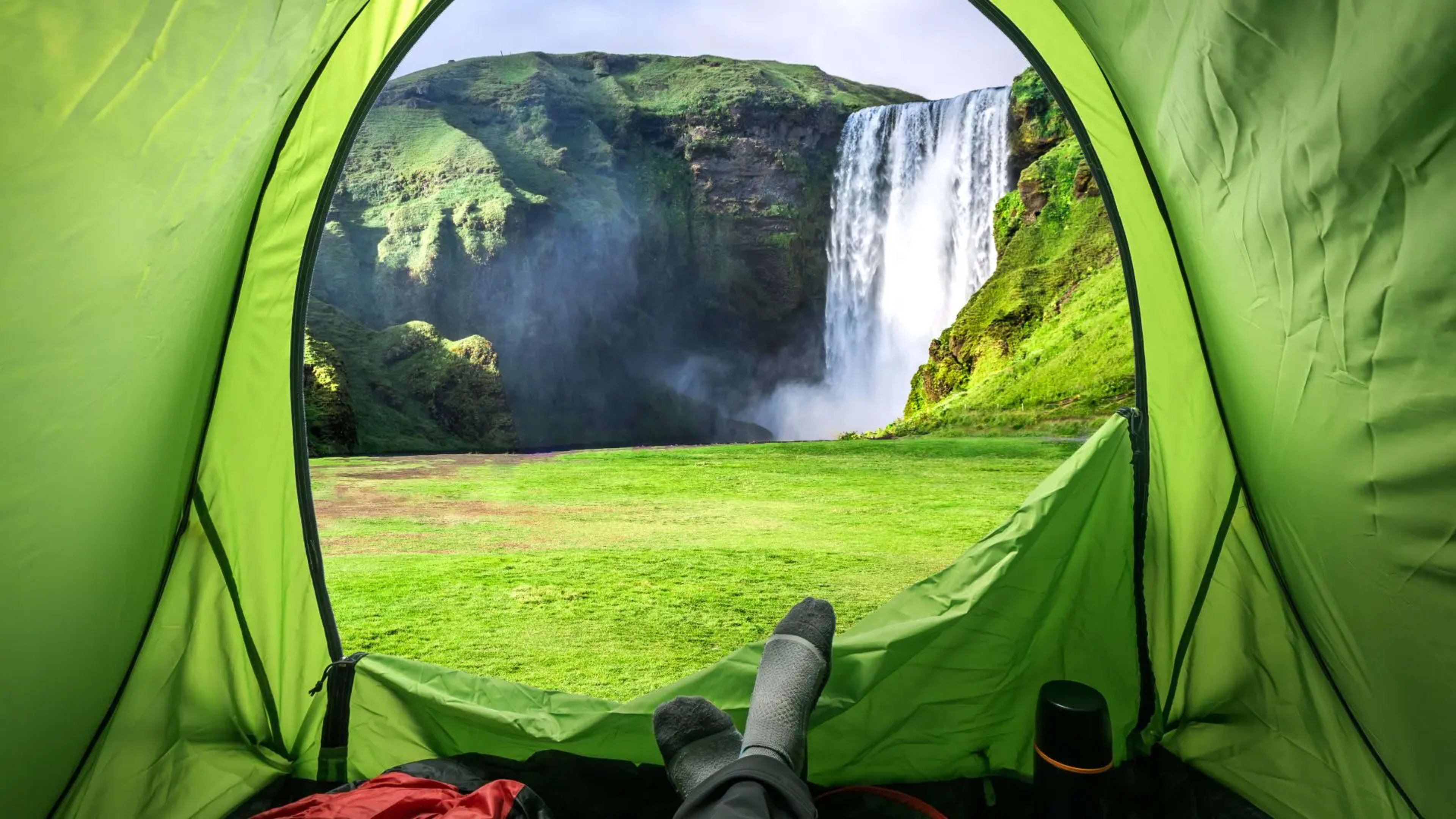
The Perfect Way to Start Your Day
The South Coast: Density and Contrast
The southern stretch of the Ring Road is where many travelers first encounter Iceland's most recognizable features. Waterfalls appear in quick succession. Glaciers edge close to the road. Black-sand beaches and moss-covered lava fields create stark visual contrasts within short distances.
Because this area is heavily visited, timing matters. Early mornings and late evenings are often quieter, and even popular sites feel different when you give them more than a cursory stop. Walking an extra half mile or waiting for weather to shift can change the entire experience.
What stands out most along the south coast isn't any single landmark, but the concentration of them. It's a reminder that Iceland's reputation is earned, but also that moving slowly here pays off.

The South Coast's Iconic Black-Sand Beaches
East Iceland: Fewer Stops, More Space
As the Ring Road curves east, traffic thins and the pace changes. Towns grow smaller, distances feel longer, and the landscapes become more repetitive in the best possible way. Mountains and fjords dominate the horizon. The road follows the coast, then pulls inland, offering long stretches where the drive itself becomes the main event.
This region rewards patience. Canyons, quiet beaches, and small cultural sites don't announce themselves loudly, but they linger in memory. It's also where Iceland feels most lived-in rather than visited, where daily life continues largely independent of tourism.
The North: Scale Without Spectacle
Northern Iceland brings back a sense of power, but with less crowd density. Waterfalls here are broader, heavier, and less framed for photographs. Volcanic landscapes feel recent and unfinished, and geothermal activity is a constant presence rather than a novelty.
Hot springs (both developed and informal) are part of daily life in the north. Soaking becomes less about luxury and more about practicality: warming up after a long drive, resting sore legs, or simply stopping because it makes sense to stop.
Historical sites scattered through the region add context without overwhelming the experience. Turf buildings, reconstructed Viking-era sites, and small museums provide insight into how people adapted to this environment long before it was a destination.
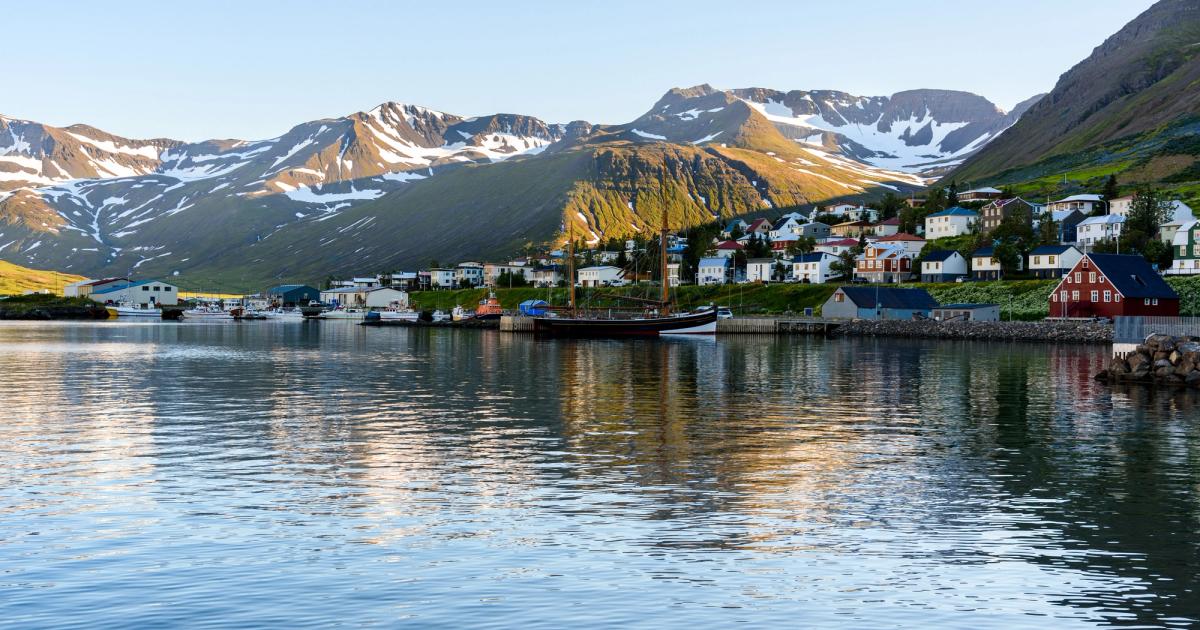
Quaint and Quiet Beauty in Northern Iceland
The Western Loop and Reykjavík
Completing the circle brings you back toward more familiar infrastructure. The Snæfellsnes Peninsula compresses many of Iceland's defining features into a relatively small area: mountains, coastlines, fishing villages, and stark churches. It makes a fitting final stretch before returning to the capital region.
Reykjavík itself is best experienced on foot. After days of driving, the city's compact scale is a relief. Cafés, bakeries, and casual food stops offer a chance to sample local staples without ceremony. It's a place to reflect, reorganize, and recognize how much ground has been covered.

The Many Colors of Reykjavík
Seeing Iceland Clearly
Driving the Ring Road isn't about conquering Iceland or checking off landmarks. It's about seeing how the country fits together: geographically, culturally, and logistically. The landscapes are striking, but what stays with you is how quickly they change, and how much of the experience depends on timing, restraint, and attention.
Approached thoughtfully, the Ring Road doesn't feel rushed or overwhelming. It feels complete.


