Few cities cast a spell quite like Venice. But in winter, that spell deepens. The crowds thin, the fog rolls in, and the light softens across the lagoon. The city's beauty, always dramatic, becomes intimate—quieter, slower, and infinitely more captivating.
Most travelers imagine Venice in summer: gondolas gliding through sunlit canals, Piazza San Marco alive with chatter. Yet those who visit in winter know a different Venice—one that belongs not to tourists, but to wanderers. It's a city made for walking, for getting lost, for listening to the rhythm of your own footsteps echo over stone bridges.
A City Reclaimed by Silence
Winter is when Venetians reclaim their city. Without the dense summer crowds, the labyrinth of narrow alleys feels open again, and you can wander for hours without rush or interruption. The air is cool and crisp—and refreshingly free of the odors that sometimes rise from the canals in warmer months.
Mornings are serene, often shrouded in mist that makes every photo look like an oil painting. The Grand Canal glimmers under pale light, and the soundscape of Venice—church bells, lapping water, a distant oar—takes center stage. It's a sensory calm that makes three days here feel like a meditation.
Venice
📍Venice📌 St. Mark's Square
What to See and Do
You don't need a rigid itinerary in Venice—the city itself is the attraction. But in winter, certain experiences shine brighter.
Start with St. Mark's Basilica, where the golden mosaics glow even more richly under the soft winter sun. Without the long lines, you can take your time appreciating the intricate details that tell centuries of Venetian history. Then wander into the Doge's Palace, where empty corridors and echoing chambers give a haunting reminder of the city's former power.
Cross the Rialto Bridge and explore the local markets nearby, where vendors sell seasonal artichokes, fresh fish, and clementines. In the quieter months, even the shopkeepers have time to talk—and you'll hear stories of Venice that never make it into guidebooks.
On your second day, lose yourself completely. Venice is best discovered without a plan. Drift through the Dorsoduro and Cannaregio districts, where laundry hangs between alleyways and trattorias hum with local life. Visit a glassblower's studio on Murano or stroll through Burano, where candy-colored houses brighten even the greyest day.
If you're here in February, the Carnevale di Venezia adds a burst of pageantry—ornate masks, candlelit balls, and a sense of theater that's pure Venetian magic.
The Incredible Colors of Burano
Image Details
2The Incredible Colors of Burano
The Taste of Venice
Winter brings a different flavor to Venetian cuisine—rich, warming, and deeply satisfying. Locals favor dishes like sarde in saor (sweet and sour sardines), bigoli in salsa (anchovy and onion pasta), and risotto al nero di seppia, made jet-black with cuttlefish ink.
Pair it with a glass of local prosecco or a spritz at a cozy bacaro—Venice's version of a wine bar. Here, you can sample cicchetti (small tapas-style bites) while chatting with locals and warming up before heading back into the cool evening mist. For dessert, try frittelle—sweet, fried dough balls filled with cream or raisins, sold fresh during Carnevale season.
Where to Stay: Palazzo Nani Venice
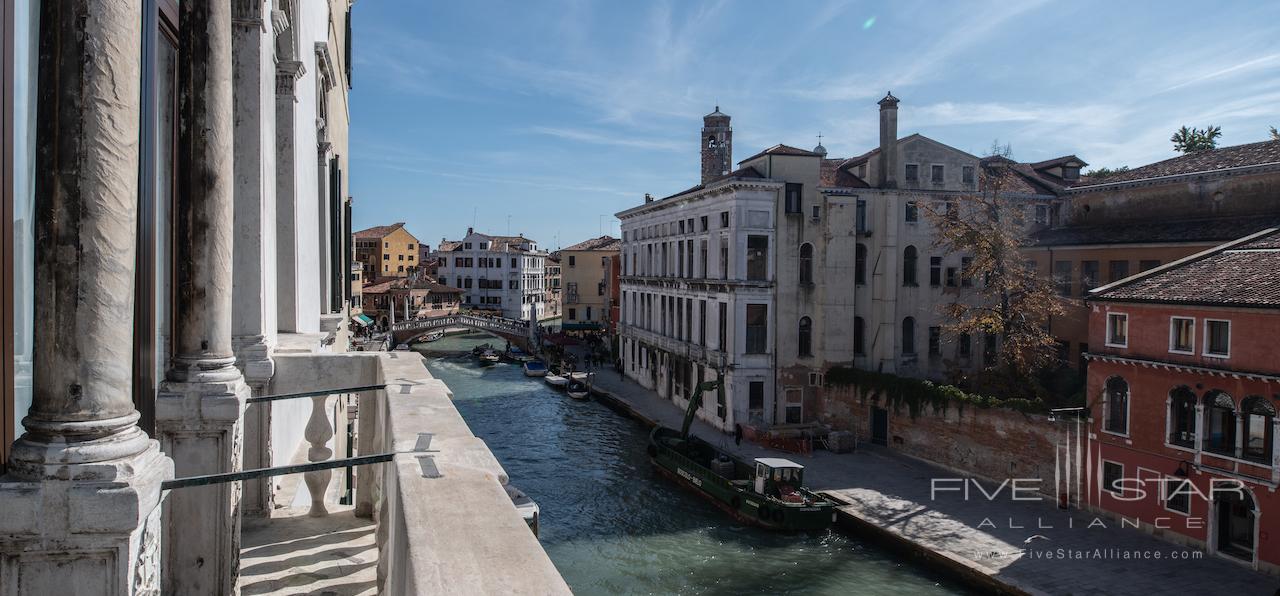
On the quieter side of the Grand Canal, Palazzo Nani Venice offers the perfect retreat for winter travelers—elegant, peaceful, and steeped in history. Housed in a restored 16th-century palace, this five-star haven combines Renaissance grandeur with contemporary comfort. Frescoed ceilings, soft lighting, and views over the canal create an atmosphere that feels both regal and relaxed.
The hotel's restaurant serves refined Venetian dishes with a modern twist, and the location—near the Ghetto and Ca' d'Oro—makes it ideal for exploring on foot. After a day of wandering the labyrinthine streets, returning to Palazzo Nani feels like stepping into another time.
How Long to Stay
Three days in Venice is the sweet spot. It's long enough to explore at an unhurried pace, short enough to leave you wanting more. Spend one day on the main landmarks, one day wandering through lesser-known neighborhoods, and one day venturing to the lagoon islands. The slower winter tempo means you'll see more—and feel more—with less effort.
Before You Go
A few things to know before you pack: winter in Venice is cool and damp, so bring waterproof shoes and a warm coat. The occasional acqua alta (high tide) can flood walkways, but it's more of a spectacle than a hindrance—raised platforms make it easy to get around, and the sight of reflections dancing across St. Mark's Square is unforgettable.
You'll also find better hotel rates, fewer crowds at major attractions, and an atmosphere that feels more local than any other time of year.
Venice, Unmasked
Visiting Venice in winter isn't just a trip—it's an unveiling. This is the season when the city's quieter poetry emerges, when its narrow alleys seem to whisper stories of centuries past. It's the Venice that artists fell in love with, the Venice that rewards patience and curiosity.
As you wander back to your hotel along misty canals and glowing lanterns, you'll realize the greatest luxury isn't the view or the cuisine—it's the peace of having Venice, if only for a moment, all to yourself.


 Five Star Alliance


