Your First Trip to Seoul: Why Korea's Capital Is the Perfect Gateway to Asia
By Travel Magazine Editors •Dec 19, 2025
Share this Story:
Seoul is one of those cities that quietly surprises you. For first-time travelers to Asia, it offers the reassurance of a modern global capital paired with layers of history, food, and culture that feel genuinely lived-in rather than performed for tourists. It's safe, clean, and remarkably efficient—public transportation is intuitive even if you don't speak Korean, and while English isn't universal, getting around proves far easier than many expect. Seoul feels familiar without being generic, exciting without being overwhelming. If you're wondering whether you can actually pull off this trip, the answer is yes.
a SEOUL TRAVEL GUIDE 🇰🇷 Where to GO & What to EAT 서울
This Seoul Travel Guide 🇰🇷 contains ✅ Best Places to visit in Seoul
✅ Best Food in Seoul ✅ Best area to explore in Seoul plus much more...
📺YouTube📍Seoul 🎬Paddy Doyle
When to Go: Choosing the Right Season
For first-timers, spring (April through May) is ideal. The weather stays mild, cherry blossoms line streets and palace grounds, and the city feels fresh and celebratory. Fall (September through October) runs a close second, with crisp air, autumn color in the surrounding mountains, and fewer tourists than peak spring.
Summer brings heat and humidity, but also festivals and long nights at outdoor cafés. Winter is cold but quieter—and Seoul's food culture truly shines during the colder months, when steaming bowls of soup and sizzling hot plates become daily rituals. Prices rise slightly during spring and fall, especially around major holidays, but Seoul generally delivers strong value year-round.
How Long to Stay
Plan for four to five days for a first visit. This allows time to explore palaces, neighborhoods, markets, and food culture without rushing. Three days feels compressed. Six or seven days makes sense only if you're adding day trips or deliberately slowing the pace.
Getting Around with Ease
Seoul's subway system ranks among the best in the world: clean, affordable, color-coded, and clearly signed in English. Pick up a T-money card on arrival—it works on subways, buses, and even taxis. Taxis are inexpensive by global standards and plentiful, especially outside major stations.
Google Maps functions here, but it's limited. Download KakaoMap or Naver Map for more accurate directions and transit options. Even without Korean, navigating the city is straightforward.
Neighborhoods at a Glance
Myeongdong is central, energetic, and incredibly convenient—ideal for first-timers who want easy access to sights, shopping, and transit.
Hongdae skews youthful and creative, filled with cafés, live music venues, and street performances. Best for travelers who want energy after dark.
Insadong and Bukchon offer a traditional, walkable experience surrounded by hanok houses, galleries, and tea shops. The pace here is slower and more contemplative.
Gangnam is sleek and modern with upscale shopping and dining. It's less touristy, more business-oriented, and gives you a sense of contemporary Seoul.
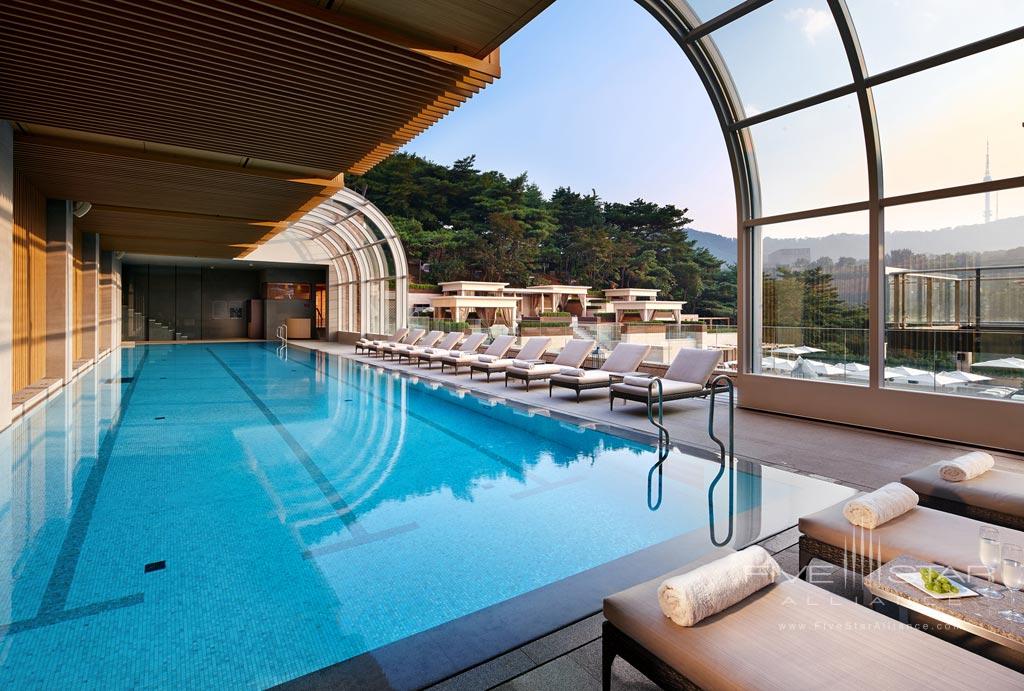
Where to Stay: The Shilla Seoul
For travelers seeking understated luxury without sacrificing authenticity, The Shilla Seoul stands out. Tucked into the hillside near Namsan, it balances refined Korean hospitality with resort-like calm. The rooms are elegant, the service is exceptional, and it offers a genuine retreat after busy days exploring—often at prices that feel surprisingly reasonable for this level of comfort.
Seoul
📍Seoul 📌 Explore the Stunning Grounds of Gyeongbokgung Palace
First-Time Must-See Sights
Gyeongbokgung Palace is Seoul's grandest royal complex, especially striking during the changing of the guard ceremony.
Bukchon Hanok Village presents traditional wooden homes set against a modern skyline—arrive early to avoid crowds and catch the morning light.
Myeongdong Street Food comes alive after dark with skewers, dumplings, tteokbokki, and sweet treats lining the pedestrian streets.
Namsan Seoul Tower provides a panoramic viewpoint that helps you understand the city's layout and scale.
One Traditional Market is essential—try Gwangjang for serious food lovers or Namdaemun for classic market energy and people-watching.
Start with the essentials: Korean BBQ, bibimbap, and tteokbokki. BBQ is communal—meat is grilled at your table, shared, and wrapped in lettuce with sauces and pickled sides. Street food is casual and often eaten standing up at small stalls. Don't be surprised by banchan (side dishes) that appear automatically; they're complimentary and part of the meal.
Solo dining is common here, especially at casual spots and noodle shops. Meals tend to be fast, flavorful, and affordable—and often become a highlight of the trip.
A Simple Four-to-Five Day Itinerary
Day 1: Gyeongbokgung Palace, Bukchon Hanok Village, afternoon in Insadong
Day 2: Morning at Gwangjang or Namdaemun Market, evening street food in Myeongdong
Day 3: Neighborhood exploration—Hongdae cafés and vinyl shops, or Gangnam shopping and beauty districts
Day 4: Nature or views—Namsan Mountain, a walk along the Han River, or nearby hiking trails
Optional Day 5: Shopping, spa time, or a traditional jjimjilbang (Korean bathhouse)
Cultural Basics to Know
Tipping isn't expected or practiced. When paying, many people place cash or cards down rather than handing them directly. Public transport is remarkably quiet and orderly. At palaces and temples, dress modestly and follow posted rules. Respect is assumed and returned naturally.
Common First-Time Mistakes
Trying to see too much in too little time, staying far from a subway line, skipping traditional markets entirely, forgetting to grab a transit card, or expecting English everywhere. The fix: slow down. Seoul rewards curiosity and presence more than checklists.
What It Costs
Budget: $70–100 per day (hostels, street food, free attractions)
Mid-range: $120–180 per day (comfortable hotels, sit-down meals, some taxis)
Upscale: $250+ per day (luxury hotels, fine dining, private experiences)
Food remains affordable at nearly every level, transit is cheap, and accommodations—especially outside peak seasons—offer strong value compared to cities of similar stature.
Why Seoul Is an Easy Yes
Seoul makes an ideal first Asia trip: approachable yet fascinating, modern yet deeply traditional. It suits travelers who want culture without chaos, food without intimidation, and history without feeling weighed down. Most visitors leave already planning a return trip—and that might be the city's greatest endorsement.


 Five Star Alliance


