Top Destinations and Must-See Attractions
Argentina's vibrant capital, Buenos Aires, offers a captivating blend of European elegance and Latin flair. Known for its eclectic neighborhoods, each with its unique character, the city pulses with life from the cobblestone streets of San Telmo to the chic boutiques of Palermo. Visitors can explore iconic landmarks like the Casa Rosada, the presidential palace that shimmers in pink hues, and the historic Teatro Colón, renowned for its grand architecture and acoustics. The city’s vibrant nightlife, thriving arts scene, and world-class dining make it a metropolis that never sleeps, offering endless adventures for the discerning traveler.
For those seeking the world’s natural wonders, the Iguazú Falls, a UNESCO World Heritage site, is a must-visit. Nestled in the subtropical rainforest on the border with Brazil, these majestic falls captivate with their sheer power and beauty. The thundering cascades, surrounded by lush greenery and vibrant wildlife, create an awe-inspiring spectacle that draws visitors from around the globe. Explorers can wander through the network of trails and walkways, experiencing the falls from various breathtaking vantage points.
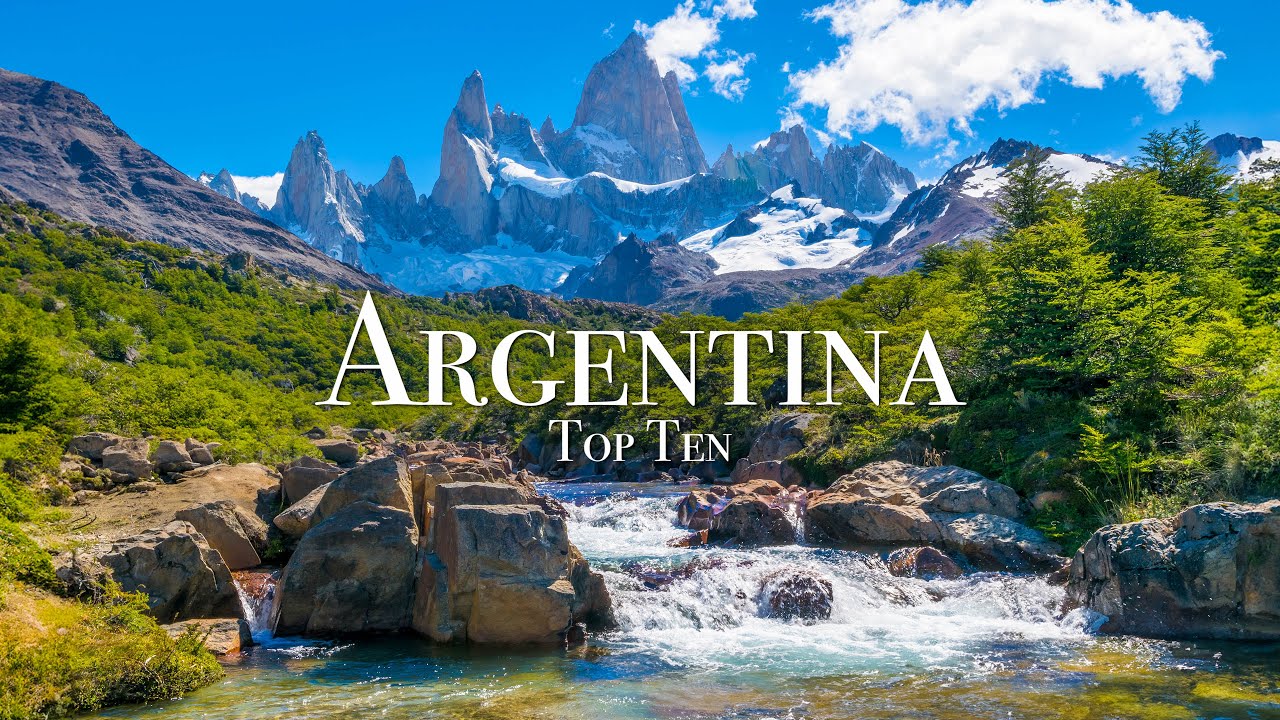
Argentina's landscapes are a testament to nature's grandeur, from the towering peaks of the Andes to the serene beauty of Patagonia. The vast expanse of the Pampas offers sweeping horizons and is home to the country's famed gauchos, while the vibrant colors of the Quebrada de Humahuaca, another UNESCO site, tell tales of ancient civilizations. In the south, the icy majesty of the Perito Moreno Glacier in Los Glaciares National Park mesmerizes with its ever-shifting ice formations and calving phenomena.
Regional destinations provide a tapestry of experiences, each offering its own allure. Mendoza, the heart of Argentina’s wine country, enchants with sun-drenched vineyards and world-renowned Malbecs. The city of Salta, with its colonial architecture and rich indigenous culture, serves as a gateway to the north's breathtaking landscapes. Meanwhile, Córdoba impresses with its Jesuit history and vibrant cultural scene, making it a dynamic destination for those seeking both history and modernity.
For those eager to uncover Argentina's hidden gems, the Valdés Peninsula stands out. This remote and rugged coastline is a sanctuary for wildlife, including sea lions, penguins, and the majestic southern right whale. The charming town of Gaiman offers a slice of Welsh heritage, inviting travelers to enjoy traditional tea services in quaint tearooms. Further south, the mystical landscapes of Tierra del Fuego provide an end-of-the-world adventure, where travelers can explore windswept islands and dramatic fjords.
Culinary Adventures and Local Treasures
Argentina's culinary landscape is as diverse as its geography, with the asado (barbecue) reigning supreme as the national dish. This celebration of meat, particularly beef, is more than just a meal—it is a cultural experience that brings families and friends together. Grilled to perfection over an open flame, cuts like bife de chorizo and costillas are seasoned simply with salt, allowing the quality of the meat to shine. Coupled with chimichurri, a vibrant herb sauce, the asado is a must-try for anyone visiting the country.
Regional variations add depth to Argentina’s gastronomic offerings. In the north, empanadas, savory pastries filled with spiced meats or cheese, are a staple, with each province claiming its unique version. The Andean northwest offers locro, a hearty stew of corn, beans, and meat, often enjoyed during national celebrations. Meanwhile, Patagonia's culinary scene is defined by its fresh seafood and lamb, with specialties like cordero patagónico (Patagonian lamb) providing a taste of the region’s traditions.
Food markets and street vendors offer an authentic taste of Argentine life. In Buenos Aires, the bustling Mercado de San Telmo brims with local produce, artisanal cheeses, and vibrant spices. Street food enthusiasts can savor choripán, a chorizo sandwich that’s a beloved staple, or indulge in a sweet treat like alfajores, delectable cookies filled with dulce de leche. These experiences provide not just sustenance but a window into the daily rhythms of Argentine culture.
Beverages hold a special place in Argentina's culinary identity. Wine enthusiasts can embark on tours of Mendoza's vineyards, tasting robust Malbecs and crisp Torrontés. The ritual of sharing mate, a herbal infusion sipped through a metal straw, offers a cultural exchange beyond its earthy flavors. Cooking classes and culinary tours provide travelers with hands-on experiences, where they can learn the techniques behind traditional dishes and immerse themselves in the country’s rich gastronomic heritage.
Cultural Experiences and Activities
Argentina's calendar is dotted with festivals that celebrate its rich cultural tapestry. The vibrant Carnaval in Gualeguaychú brings the streets alive with parades, music, and dance, while the Fiesta Nacional de la Vendimia in Mendoza celebrates the grape harvest with pageantry and wine tasting. In Buenos Aires, the Tango Festival invites visitors to experience the city’s iconic dance form through performances and workshops, offering a chance to embrace the passionate rhythms that define Argentine identity.
Traditional arts and crafts offer a glimpse into Argentina's diverse cultural heritage. In the northwest, artisans in small villages produce intricate textiles and pottery using techniques passed down through generations. Visitors can explore markets where these crafts are sold, meeting the makers and learning about their creative processes. In the southern regions, Mapuche weavers create vibrant rugs and blankets, each piece telling a story of cultural resilience and identity.
Argentina's music and entertainment scenes are as dynamic as its landscapes. Buenos Aires, often dubbed the Paris of South America, is a hub for the arts, where visitors can enjoy performances ranging from classical opera to avant-garde theatre. The city's tango clubs offer an immersive experience, where the dance's sultry moves and melancholic melodies captivate audiences. In the north, folk music festivals showcase traditional sounds, allowing travelers to experience the country's diverse musical heritage.
Outdoor adventures abound in Argentina's diverse terrain. The Andes Mountains provide a playground for hikers and climbers, with trails offering panoramic views of snow-capped peaks and lush valleys. Patagonia's wild landscapes invite exploration by foot, kayak, or horseback, with opportunities to spot unique wildlife along the way. For those seeking adrenaline, the lakes and rivers of the Lake District offer prime conditions for water sports, while the rugged terrain of the north is ideal for off-road adventures.
Cultural Context for Travelers
Argentina's national character is a reflection of its diverse cultural influences, blending indigenous traditions with European elegance. Argentines are known for their warmth and passion, readily sharing their love for their country’s rich culture and natural beauty. This openness is reflected in their hospitality, as visitors are often welcomed like family, with conversations over a shared mate or an invitation to an asado.
Travelers in Argentina will encounter a tapestry of customs and traditions that define the local way of life. From the ritual of drinking mate to the art of tango, these practices offer insight into the country's cultural identity. Argentine siestas, or afternoon breaks, highlight the importance of balance between work and leisure, while the national sport of fútbol (soccer) ignites fervent enthusiasm and community spirit.
Understanding social etiquette and language tips can enhance a traveler’s experience. While Spanish is the official language, the Argentine accent and use of lunfardo (slang) can be distinct, providing a unique linguistic flavor. Politeness and respect are highly valued, with greetings often involving a kiss on the cheek. Being aware of cultural sensitivities, such as the importance of punctuality and the role of family, can foster positive interactions and deeper connections with locals.
Where to Stay and Regional Navigation
Argentina offers diverse regions and cities to suit every type of traveler. Buenos Aires caters to urban explorers with its vibrant neighborhoods and cultural attractions, while Bariloche in Patagonia appeals to those seeking natural beauty and outdoor adventure. Wine enthusiasts will find their haven in Mendoza, surrounded by vineyards and the stunning backdrop of the Andes. For a taste of the past, Salta in the northwest offers a blend of colonial charm and indigenous heritage.
Accommodation options in Argentina range from budget-friendly hostels to luxurious hotels, ensuring comfort for every traveler. In Buenos Aires, boutique hotels and historic mansions offer a taste of the city’s sophistication, while eco-lodges in Patagonia provide a sustainable retreat amidst nature. In rural areas, estancias (ranches) offer a unique experience, allowing guests to immerse themselves in gaucho culture while enjoying rustic elegance.
Argentina’s transportation network facilitates exploration across its vast landscape. Domestic flights connect major cities, offering convenience for those with limited time. Long-distance buses, known as micros, provide an affordable way to traverse the country, with comfortable seating and scenic routes. Car rentals offer flexibility, particularly in regions like Patagonia, where the freedom to explore at one's own pace is invaluable.
Crafting a multi-city itinerary allows travelers to experience the diversity of Argentina’s regions. A journey might begin with the bustling energy of Buenos Aires, followed by a wine-tasting sojourn in Mendoza. From there, travelers can head south to explore Patagonia’s untamed beauty, before venturing north to the colorful landscapes of Salta. Each region offers its own stories and experiences, weaving together a rich tapestry of Argentine life.
Essential Travel Planning
The best time to visit Argentina depends on the experiences travelers seek. The spring months (September to November) offer mild weather and blooming landscapes, ideal for exploring cities and wine regions. Summer (December to February) is perfect for Patagonia’s outdoor adventures, while the fall (March to May) provides pleasant temperatures for a cultural tour of Buenos Aires. Winter (June to August) brings snow to the Andes, inviting skiers to Bariloche’s slopes.
Budget planning is an essential part of traveling to Argentina, with costs varying by region and season. Buenos Aires and other major cities offer a range of dining and accommodation options to suit different budgets, while rural areas often provide more cost-effective choices. Currency fluctuations can impact travel expenses, so it's wise to keep an eye on the exchange rate for the Argentine peso.
Travelers to Argentina typically require a valid passport, with visa requirements varying by nationality. Many visitors from Europe and North America can enter visa-free for up to 90 days. It’s important to check the latest entry requirements and ensure documentation is in order before departing. Travel insurance is recommended to cover any unforeseen circumstances, providing peace of mind during the journey.
Health and safety are key considerations when traveling in Argentina. It's advisable to stay informed about the local situation and take standard precautions, such as avoiding walking alone at night in unfamiliar areas. Tap water is generally safe in urban centers, but bottled water is recommended in rural regions. Packing essentials such as sunscreen, insect repellent, and comfortable walking shoes will enhance the travel experience, ensuring comfort and safety during the adventure.