Buenos Aires is nicknamed the “Paris” of Latin America, and it’s little wonder why. As the sun sinks, joyous celebrations of the latest soccer win erupt to the sound of tango. By morning, though, its clockwork cafe culture has returned. An abuela sits al fresco, sipping on a cortado, while suited professionals order pastries and takeout coffees “to go.” Somewhere along Avenida Corrientes, the shutters of an antique bookstore begin to lift.
Too often labeled as a gateway to South America, many travelers fall into the trap of planning quick stops in Buenos Aires. Here’s how to spend longer in the city and understand the heart of Argentine culture.
The Atmosphere
A man sitting in the open window of a red-painted cafe in Buenos Aires, Argentina.
📍Buenos Aires
The Argentine capital sits on the banks of the Río de la Plata. It has two personalities: indulgent creative heritage and fast-paced entertainment. The trick is planning an itinerary that balances both.
As for where to stay in Buenos Aires, much like Paris, the city has arrondissements of its own. From traditional Belle Époque architecture in Recoleta to the multi-colored houses of La Boca, each of its 48 barrios puts its own stamp on the city.
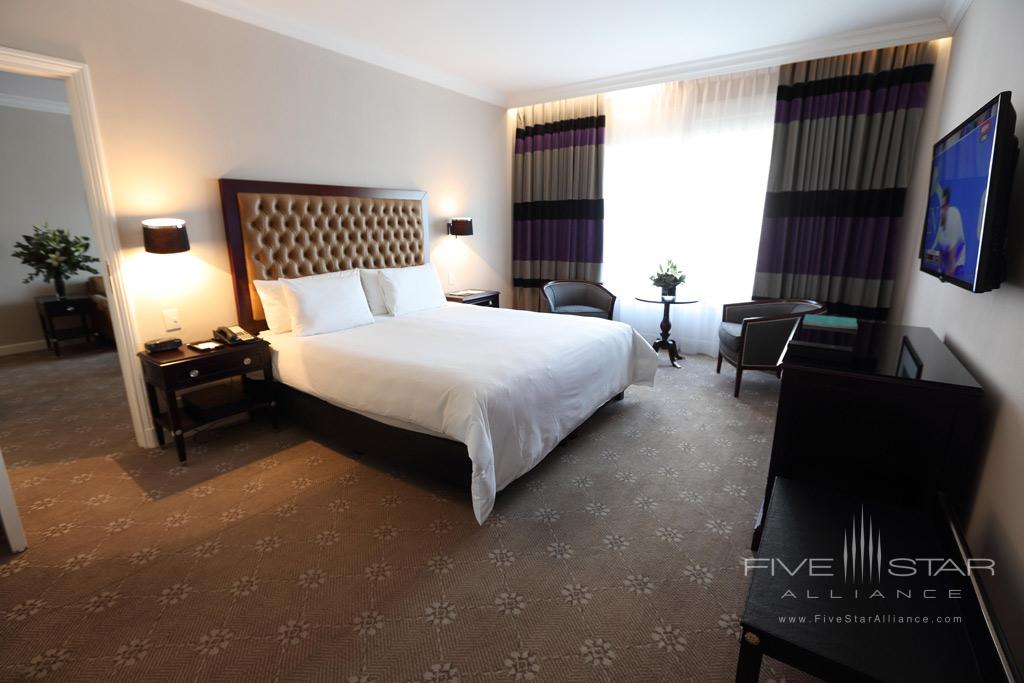
If elegance sounds appealing, pick Recoleta and stay at Sofitel Buenos Aires Recoleta or Palacio Duhau - Park Hyatt. For contemporary architecture, choose Puerto Madero (where you’ll find Hotel Madero), or the bold colors of La Boca.
Day One: Street Art and Bookstores in Northern Buenos Aires
Wander between bookshelves at El Ateneo Grand Splendid, a former theater converted into a bookstore.
📍Buenos Aires 📌 El Ateneo Grand Splendid
If Buenos Aires wears its heart on its sleeve, it makes sense to start in Palermo. Known as the city’s largest barrio, Palermo has a reputation for its bohemian vibe, with a wealth of cafes and cultural expression through street art.
Start at Nerea Café in Palermo Hollywood, where breakfast options include avocado toast, granola bowls, and hearty omelets. From there, book a street art tour or hunt murals on your own. Admire the butterfly wings (Pasaje Russel 5049), Messi (La Chopperia, Gurruchaga 1711), Collage Wall (Sta Rosa 4910), and Art Syndrome (Nicaragua 4667).
Grab lunch in Palermo Soho before heading to Yerba Mate Experience. This earthy tea is a staple in Argentine culture and is traditionally shared in social settings.
Yerba mate is a traditional tea in Argentina, and it's possible to book tasting sessions in local homes.
📍Buenos Aires
Suitably refueled, visit the indie neighborhood, Villa Crespo, for one of the city’s most iconic bookstores, Mandrágora Libros y Cultura. Crossing into the affluent Recoleta district, admire Parisian-style townhouses and stop at El Ateneo Grand Splendid. Originally a theater, this ornate landmark was converted into an elaborate bookstore. Buenos Aires is reputedly a bookworm; clearly, it likes the finer things in life.
Finish with an evening at the opera. Teatro Colón hosts a rotation of classic performances; arrive in your finest and take a seat beneath the grand chandelier.
Day Two: Discover the Tango
Brightly-colored buildings along El Caminito in the neighborhood of La Boca, in Buenos Aires.
📍Buenos Aires 📌 El Caminito
Hail a taxi, and start your morning on the bright side. In the city’s southern neighborhoods, La Boca is famously colorful, with brightly-painted buildings and lively street performances.
For a late breakfast, El Caminito is the place to be. This pedestrianized alley is a cluster of colorful architecture, street performers, and market stalls. Order empanadas, sip a coffee, and wake up slowly. Soccer fans should detour to La Bombonera, home of Buenos Aires’ Boca Juniors. Otherwise, take a taxi to Abasto: the birthplace of tango.
Tango performances are incredibly expressive, and Buenos Aires is known as the birthplace of this dance style.
📍Buenos Aires
Carlos Gardel was an influential composer and grew up in Abasto. From 11am, Museo Casa Carlos Gardel opens its doors to reveal exhibits on the renowned songwriter’s life. Pay attention to the exhibits, and later, grab the opportunity to perfect your ocho. Finish the evening at La Catedral Club, which offers tango lessons from 6:30pm on the outskirts of Torres de Abasto.
If You Have Longer
In Buenos Aires, longer is always better. Aside from buying more books and sipping more coffee, check for upcoming soccer matches, especially amongst rival teams, like Boca and River Plate. The atmosphere is so electric that nobody needs to memorize the “offside rule.”
Another meaningful experience is the gaucho culture. These nomadic cowboys are treated as heroes in Argentine folklore. To experience this horseback heritage for yourself, The Gaucho Experience offers door-to-door transportation to their ranch from Buenos Aires. This “estancia” is located approximately two hours from the capital, and guests enjoy demonstrations, food, and horseback rides.
Let’s be honest: in two days, you’ll experience the tip of an iceberg. Buenos Aires requires a minimum of three days, ideally closer to five. Extend your stay. Who knows, perhaps you’ll leave as a certified tango star?


 Five Star Alliance


