Vibrant Destinations and Must-See Attractions
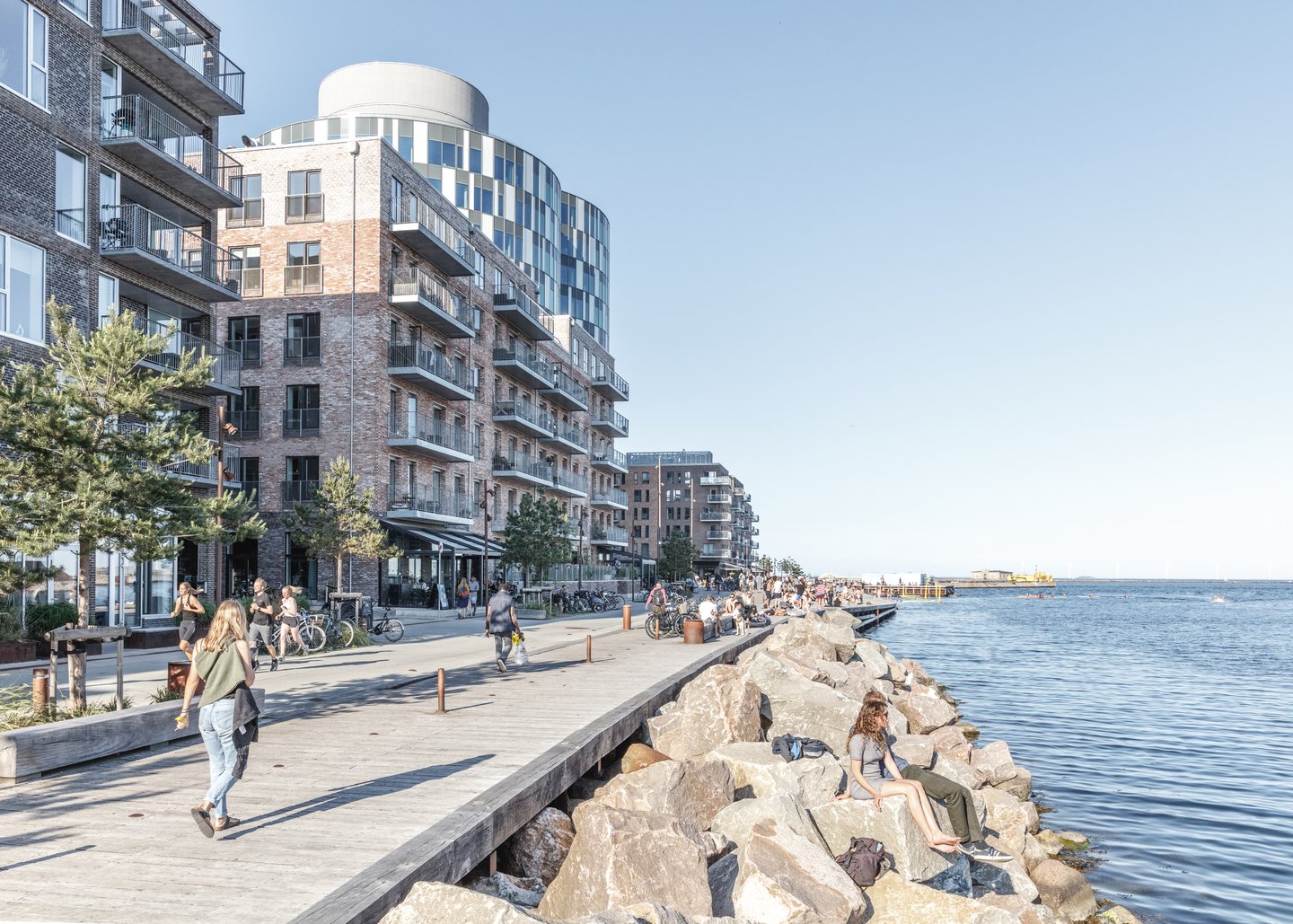
Copenhagen, the vibrant capital of Denmark, effortlessly combines historic charm with modern innovation. The city's skyline is punctuated by the spires of Rosenborg Castle, a 17th-century royal residence surrounded by lush gardens and the tranquil lakes of the King's Garden. Stroll through the cobblestone streets of Nyhavn, where colorful buildings reflect in the canal waters, and savor the lively atmosphere. Don't miss the iconic Little Mermaid statue sitting gracefully by the harbor, a homage to Hans Christian Andersen's beloved fairy tale. Beyond its historic sites, Copenhagen is a hub for contemporary design and sustainable living, epitomized by neighborhoods like Vesterbro and Nørrebro, bustling with cafes, galleries, and urban parks.
Denmark's UNESCO World Heritage sites offer a glimpse into the country's rich past. Roskilde Cathedral, a masterpiece of Gothic architecture, is the final resting place of Danish monarchs. Its grandeur is a testament to Denmark's historical significance in Northern Europe. Venture to the island of Zealand, where the Kronborg Castle presides over the Øresund Strait. This Renaissance castle is famed as the setting of Shakespeare's Hamlet. Another must-visit is the Jelling Mounds, Runic Stones, and Church, often considered Denmark's birth certificate, where the stories of Viking kings are etched in stone.
The natural landscape of Denmark is as enchanting as its cultural heritage. From the dramatic cliffs of Møns Klint to the serene beaches of Skagen, the country offers diverse scenery for exploration. The Wadden Sea National Park, a UNESCO site, is a haven for birdwatchers and nature lovers, showcasing the tidal flats and rich biodiversity. The rolling hills of the Lake District in central Jutland offer picturesque hiking trails, while the island of Bornholm, known for its rugged coastline and granite rock formations, is a cyclist's paradise.
Regional Denmark is full of charming destinations that showcase the country's diversity. Aarhus, Denmark's second-largest city, is a cultural hotspot with a youthful vibe, thanks to its large student population. The ARoS Aarhus Art Museum, with its rainbow panorama, is an architectural marvel. In Odense, the birthplace of Hans Christian Andersen, visitors can walk through the fairy-tale cityscape that inspired his stories. The island of Funen, known as Denmark's garden, offers idyllic countryside dotted with charming villages and historic manor houses.
For those seeking unique discoveries, Denmark is replete with hidden gems. The island of Ærø in the South Funen Archipelago is a romantic destination with its cobblestone streets and pastel-colored houses. In the north, the town of Aalborg surprises with its vibrant street art and the avant-garde Utzon Center. The fairytale Egeskov Castle, with its intricate hedge maze and classic car exhibition, provides a delightful day out. Further afield, the Faroe Islands, although politically part of the Kingdom of Denmark, offer breathtaking landscapes of cliffs and fjords, perfect for the adventurous traveler.
Culinary Adventures and Local Treasures
Denmark's culinary scene is a feast for the senses, marrying tradition with innovation. Smørrebrød, the quintessential Danish open-faced sandwich, is a must-try. Topped with ingredients like pickled herring, shrimp, or roast beef, each bite offers a complex flavor profile. For a taste of comfort, try frikadeller, Danish meatballs seasoned with nutmeg and served with potatoes and gravy. The country's dairy products, particularly its creamy cheeses like Havarti, are exceptional and often featured in local dishes.
Regional variations add depth to Denmark's culinary tapestry. In the north, you'll find the influence of the sea in dishes like fiskefrikadeller (fish cakes) and the traditional Aalborg Akvavit, a caraway-flavored spirit. The island of Funen is known for its rich sausages and the unique brunsviger, a sweet cake topped with brown sugar and butter. Meanwhile, in Copenhagen, the New Nordic cuisine movement has taken root, emphasizing local, seasonal ingredients and sustainable practices, with restaurants like Noma leading the charge.
For an authentic dining experience, Denmark's food markets are a must-visit. Torvehallerne in Copenhagen is a bustling hub where you can sample everything from artisanal chocolates to fresh seafood. Street food culture thrives at Reffen, an urban playground for food trucks offering global flavors with a Danish twist. In Aarhus, the Aarhus Street Food market is a vibrant venue to explore local and international cuisines under one roof.
Beverages play a central role in Danish culinary experiences. Denmark is renowned for its craft beer scene, with breweries like Mikkeller and Carlsberg offering tours and tastings. For those with a penchant for spirits, a visit to a distillery for a tasting of Danish schnapps or aquavit is essential. Culinary tours, such as the Copenhagen Food Tours, offer an immersive taste journey through the city's culinary landscape, while cooking classes provide hands-on opportunities to learn traditional Danish recipes.
Cultural Experiences and Activities
Denmark's calendar is packed with festivals that offer travelers a peek into its vibrant culture. The Roskilde Festival, one of Europe's largest music festivals, transforms the city into a vibrant hub of music and arts every summer. For a taste of Danish tradition, the Aarhus Festival showcases the best of local art, music, and theater. In winter, Copenhagen's Tivoli Gardens hosts a magical Christmas market, where visitors can experience the enchanting atmosphere of twinkling lights and festive treats.
Artisan experiences abound in Denmark, reflecting its rich tradition of craftsmanship. Explore the Viking Ship Museum in Roskilde, where historical shipbuilding techniques are brought to life. The town of Ribe, Denmark's oldest, is a treasure trove of medieval architecture and hosts workshops on traditional crafts. In Bornholm, known for its artistic community, you can visit glassblowers, ceramicists, and textile artists in their studios, gaining insight into their creative processes.
Denmark's music and entertainment scene is both dynamic and diverse. The Copenhagen Jazz Festival draws international talent and jazz aficionados alike, while the annual Distortion festival turns the streets of Copenhagen into a vibrant dance floor. The Royal Danish Theatre in Copenhagen offers a prestigious program of ballet, opera, and classical music performances. For a more contemporary vibe, venues like Vega in Vesterbro host live concerts ranging from rock to electronic music.
Outdoor adventures in Denmark offer a blend of excitement and tranquility. Cycle along the country's extensive network of bike paths, exploring everything from urban landscapes to serene countryside. For a unique experience, try windsurfing on the west coast or kayaking in the fjords of eastern Denmark. Hiking trails, such as the Gendarmstien along the Danish-German border, reveal stunning views and historical sites. In winter, skiing in the forests of northern Jutland provides a picturesque escape.
Cultural Context for Travelers
Denmark is renowned for its hygge, a concept that embodies coziness, comfort, and a sense of well-being. This national character is reflected in the country's relaxed lifestyle, where work-life balance is highly valued. Danes are known for their friendliness and openness, making it easy for travelers to feel welcome. The country's commitment to sustainability and innovation is evident in its eco-friendly practices and cutting-edge design.
Travelers will encounter various customs that reflect Denmark's rich cultural heritage. Traditional Danish celebrations like Sankt Hans Aften, the midsummer festival, are characterized by bonfires and communal gatherings. The concept of 'kagebord' (cake table) is a social tradition where a variety of cakes are shared, reflecting the Danish love for sweets. Visitors should also be aware of the Danes' punctuality and directness in communication, which might come across as reserved but is rooted in respect for personal boundaries.
Understanding social etiquette can enhance a traveler's experience in Denmark. While English is widely spoken, learning a few Danish phrases can be appreciated by locals. It's customary to remove shoes when entering homes and some indoor spaces. Tipping is not obligatory but appreciated in restaurants for exceptional service. Embracing these cultural nuances enriches the travel experience, allowing for meaningful interactions and a deeper appreciation of Danish society.
Where to Stay and Regional Navigation
Denmark offers diverse accommodation options catering to every type of traveler. Copenhagen, with its luxurious hotels like the Hotel d'Angleterre, provides a lavish experience right in the heart of the city. For those seeking a more intimate stay, boutique hotels and charming B&Bs are plentiful in cities like Aarhus and Odense. Coastal towns such as Skagen offer quaint seaside retreats, perfect for a relaxing getaway.
From budget hostels to high-end resorts, Denmark's accommodation scene is varied and welcoming. Hostels like the Urban House in Copenhagen offer a social atmosphere for young travelers, while eco-friendly hotels like the Guldsmeden Hotel chain appeal to environmentally conscious visitors. On the island of Funen, stay in a traditional Danish farmhouse for a rustic experience, or opt for a luxurious spa retreat in the countryside.
Navigating Denmark is straightforward, thanks to its efficient transportation network. The train system connects major cities and towns, offering scenic routes through the countryside. Bicycles are a popular mode of transport, with dedicated lanes and bike-friendly infrastructure throughout the country. For exploring islands and coastal areas, ferries provide a convenient and picturesque option. In cities, buses and metros offer reliable services for getting around urban areas.
Creating a multi-city itinerary in Denmark allows travelers to experience the country's diverse regions. Start in Copenhagen, then head to Aarhus for a blend of culture and history. Explore the charming streets of Odense before venturing to the coastal beauty of Skagen. A trip to the island of Bornholm offers a unique perspective on Danish island life. Each region is easily accessible, making it possible to experience a wide range of landscapes and cultural attractions.
Planning Your Journey
The best time to visit Denmark is from May to September when the weather is mild and the days are long. Summer brings vibrant festivals and outdoor activities, while spring and autumn offer a quieter experience with fewer crowds. Winter, though chilly, transforms the cities into festive wonderlands, especially during the holiday season. Be prepared for changeable weather by packing layers and waterproof clothing.
Budget planning is crucial for a Danish adventure, as the country is known for its high standard of living. Accommodation and dining can be pricey, but savvy travelers can find value in street food and local markets. Consider purchasing a Copenhagen Card for free entry to attractions and unlimited public transport. Dining out can range from affordable cafes to Michelin-starred restaurants, allowing for flexibility in spending.
Travelers from most countries can enter Denmark visa-free for short stays, but it's essential to check the latest requirements before departure. Ensure your passport is valid for at least six months beyond your intended stay. For longer visits or work-related travel, a visa application may be necessary. Stay informed about any travel advisories or entry restrictions that may be in place.
Health and safety are priorities in Denmark, known for its high quality of healthcare and low crime rates. Travelers should have travel insurance to cover medical expenses and any unforeseen incidents. Tap water is safe to drink, and the country's clean streets and efficient public services contribute to a pleasant travel experience. Stay informed about local customs and respect public spaces to ensure a harmonious and enjoyable visit.