

Copenhagen for a Design-Minded Weekend
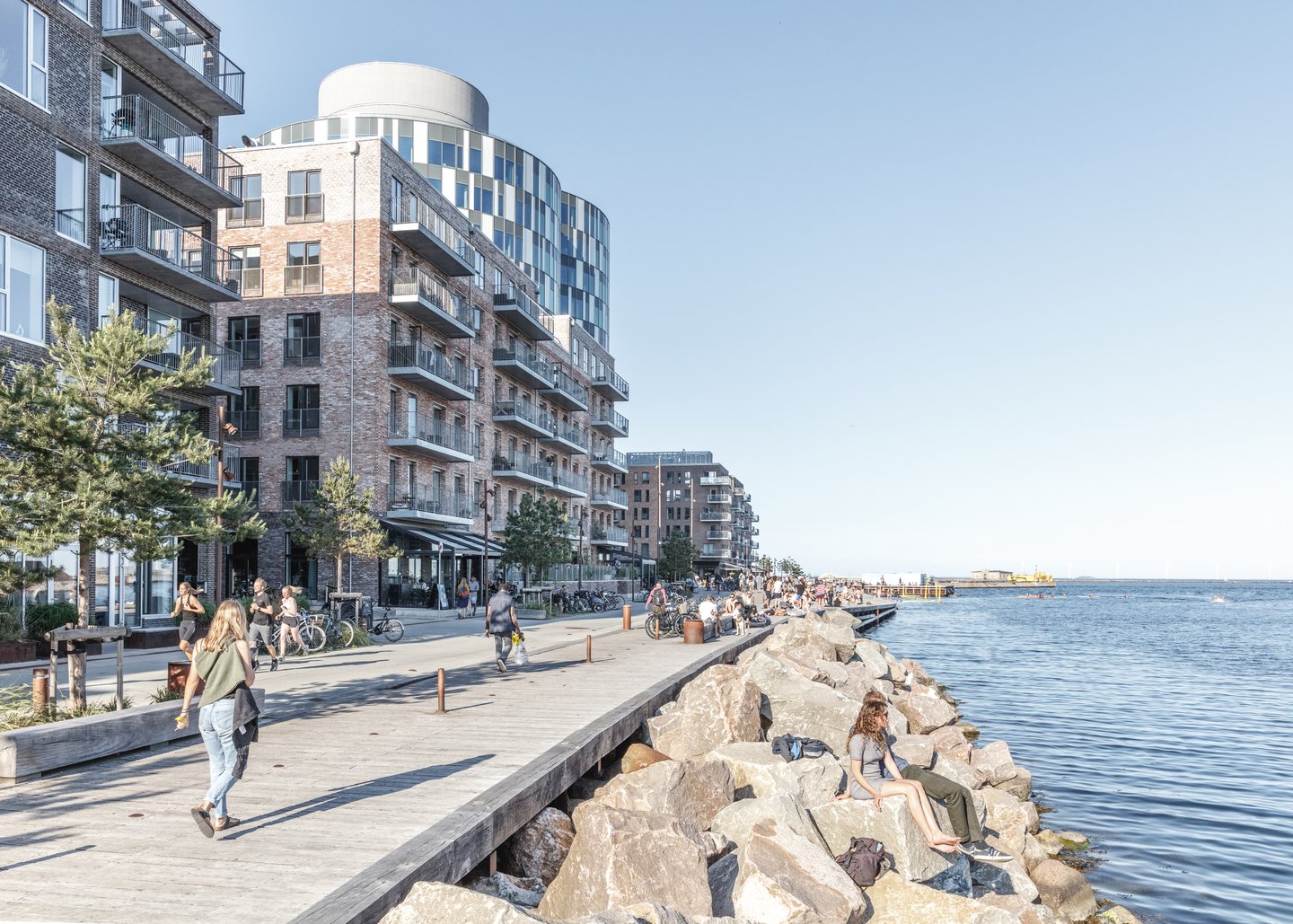
If Copenhagen has a bad angle, it's hard to find. Exploring this city feels like stepping into an open-air art gallery. The Danish capital is famously photogenic and takes an ambitious approach to urban design. Residents live along canals and harborfronts, with clean waters and eco-conscious transport never too far away. Everything just works.
Recognized by UNESCO as a World Capital of Architecture, it’s easy to see how systems and design have shaped the city. Here’s how to spend a design-minded weekend in Copenhagen.
The Atmosphere in Copenhagen
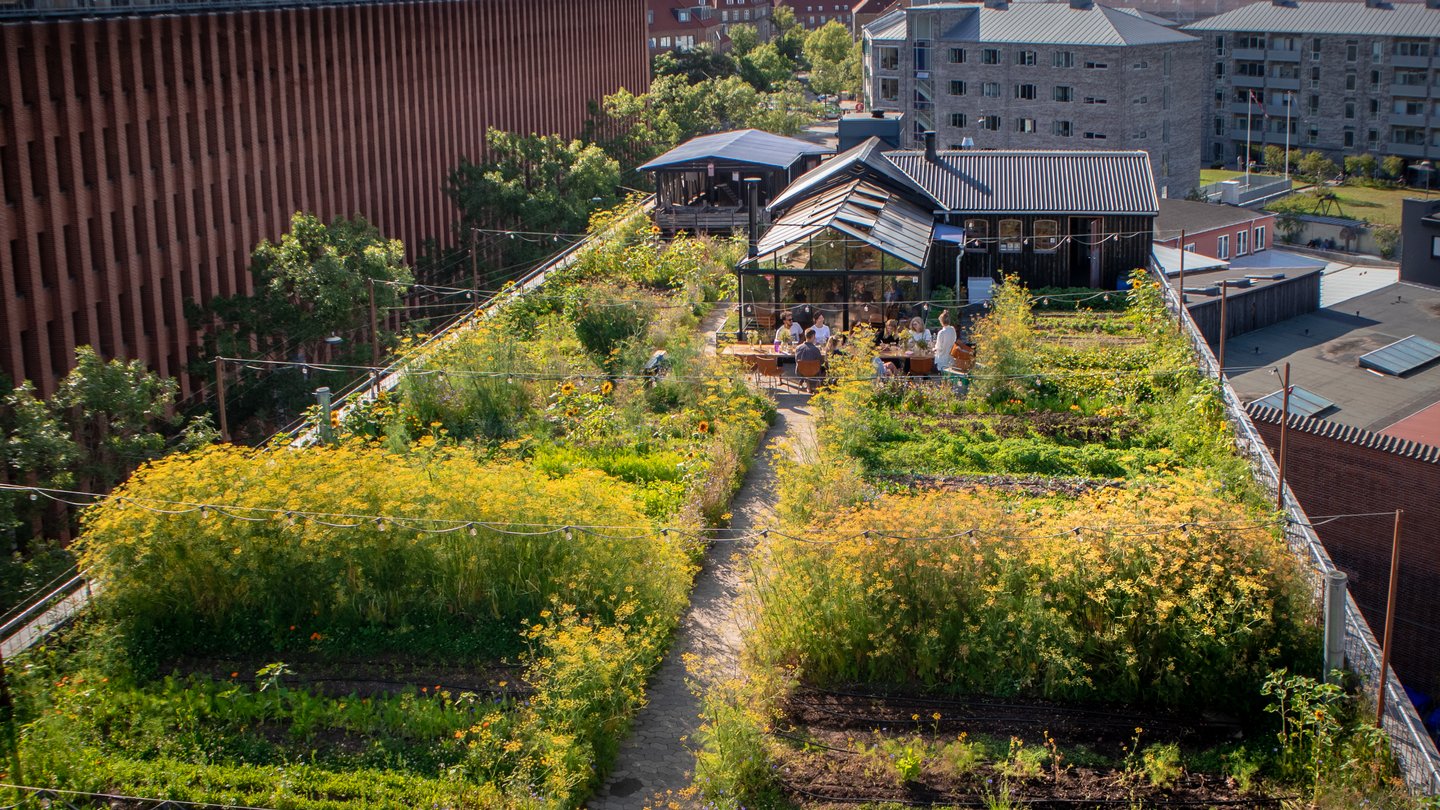
In Copenhagen, people dine at Gro Spiseri, a rooftop farm in the city center.
Copenhagen is a maze of islands, waterfront cafes, and cobbled streets. From a tourist’s perspective, its dedication to sustainability is immediately refreshing. Most recently, Copenhagen launched CopenPay (a scheme that rewards tourists for “positive deeds”). It’s also possible to save money with unlimited public transport using the Copenhagen Card.
Expect an emphasis on outdoor living. Amsterdam might be famous for cyclists, but Copenhagen gives it a run for its money — or should we say, cycle lanes. Its harbor waters are also clean enough that residents spend their summers swimming.
Day One: Exhibits and Artifacts

Visiting the "So Danish" exhibition at the Danish Architecture Center in Copenhagen.
If there’s one way to guarantee waking up on the right side of the bed, it’s the smell of Danish pastries. By 9am, Copenhagen’s bakeries are in full swing. Find cinnamon rolls and almond croissants at bakeries like Skt. Peders Bageri and Entremasas.
With stomach and taste buds satisfied, start your morning at the Danish Architecture Center. Overlooking the waterfront, this museum has permanent exhibits and seminars on Danish designs throughout the ages. For design-minded tourists, a trip to this restored warehouse is essential. And as a hidden gem, the harbor views from its DAC Cafe definitely justify an extra cappuccino.

A bright morning at Nyhavn, with bobbing boats moored and brightly-colored houses.
Next is Designmuseum Denmark, but first: lunch. A 20-minute walk brings you to Nyhavn, a historic port lined with colorful houses. Snag an outdoor table at Judie if you can, ordering seafood and dining overlooking bobbing boats and bright façades.
Spend your afternoon at Designmuseum Denmark, walking through centuries of architectural and design history. Afterward, spotting Copenhagen’s famous Little Mermaid statue in Churchillparken is a fun challenge.
For dinner, Kong Hans Kælder is a design lover’s dream. Set in a whitewashed cellar of Gothic arches, this Michelin-starred restaurant is illuminated by candles and atmospheric lighting.
Day Two: Architecture in the Real World
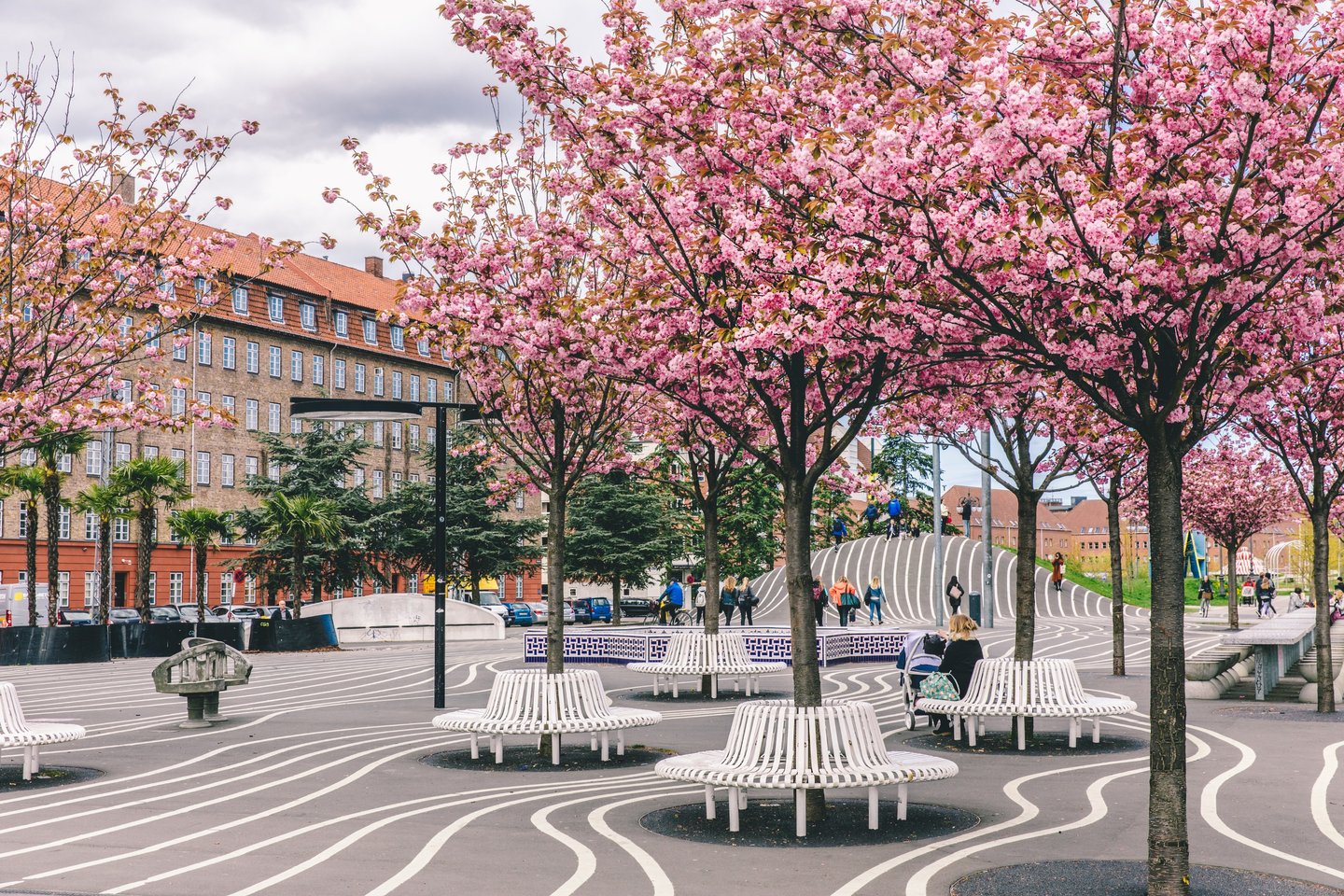
A quiet morning at Superkilen, with cherry blossom trees and residents enjoying public facilities.
Start with coffee and a pastry, then head straight to a bike rental. Today is all about experiencing Copenhagen through local eyes — so, naturally, you need wheels.
The city’s “alternative neighborhood,” Nørrebro, is first on the list. Spot urban lakes as you cross Dronning Louises Bro and explore side streets in Nørrebrogade. Lastly, visit Superkilen, an award-winning square designed as a multicultural space for the community. Covered by cherry blossom trees, its features range from Japanese playground equipment to a bus stop from Kazakhstan.
Grab lunch along Nørrebrogade, or wait until 1pm, when Silberbauers Bistro opens its doors, bringing a Parisian edge to Danish streets. Recommended by Michelin, its checkered table cloths and bistro aesthetic are pretty irresistible.
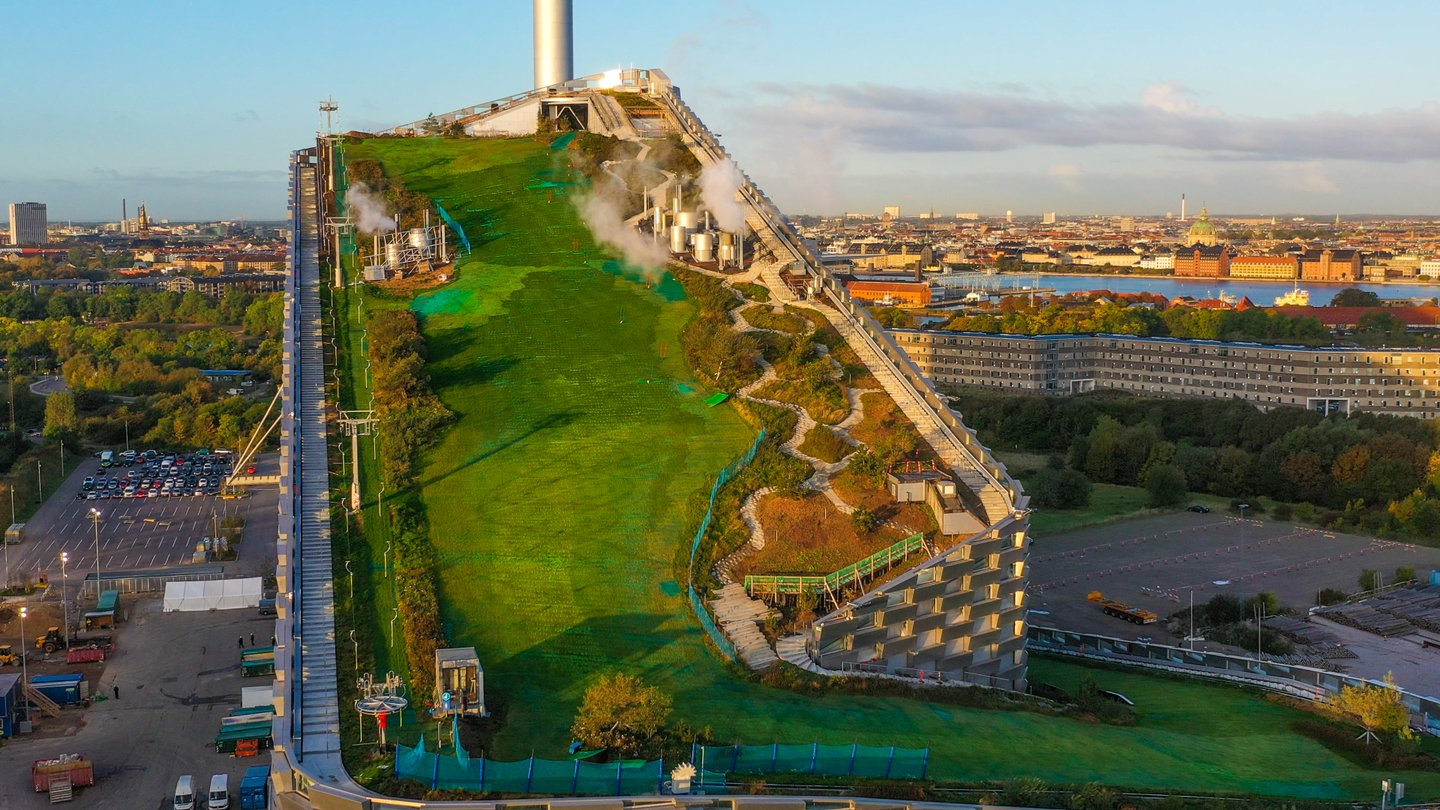
An afternoon at CopenHill, where residents visit a ski slope built on top of an industrial powerplant.
Back on the bike, cycle 25 minutes to CopenHill. Built on top of an industrial power plant, this recreational facility has an unusual location, to say the least. Spend an afternoon using its ski slope, tackling the world’s highest climbing wall, or taking a hike through steep, manicured gardens.
For your final night, celebrate in Vesterbro’s Meatpacking District. From brewpubs to burger joints, this industrial-style neighborhood is a casual opportunity to dine al fresco.
Where to Stay

A bright morning overlooking moored boats in a Copenhagen harbor.
Copenhagen is compact. Traveling by bike — which most locals do — it’s possible to reach Nørrebro from Amagerbro in 20 minutes. Don’t fall into the trap of treating your weekend as a 48-hour countdown; everything is closer than you think.
Instead, choose a neighborhood based on atmosphere, rather than being “central for central’s sake.” Try these out for size:
- •Indre By: For anyone craving aesthetic scenery, Indre By is a winner. This inner-city neighborhood is home to colorful Nyhavn and provides immediate access to the pedestrianized street of Strøget.
- •Christianshavn: To experience Danish living, choose Christianshavn. This popular neighborhood is a collection of islands with cobbled streets and canals. Stay at NH Collection Copenhagen, built in the former headquarters of B&W Shipyard, which was designed by modernist architect Palle Suenson and opened in 1962.
- •Vesterbro: For an extroverted atmosphere and lively nightlife, Vesterbro is the city’s loveable rogue. If quiet accommodation matters, bag the best of both worlds by staying at Nobis Hotel Copenhagen, just on Vesterbro’s outskirts. Fun fact: this ornate hotel was once the Royal Danish Conservatory of Music.
Takeaway
As a weekend getaway, Copenhagen is straightforward in the best possible way. Climb on a bike, admire curious designs, refuel at bakeries, and embrace your inner-architect.


