 Five Star Alliance
Sydney, Australia
🏨Hotels
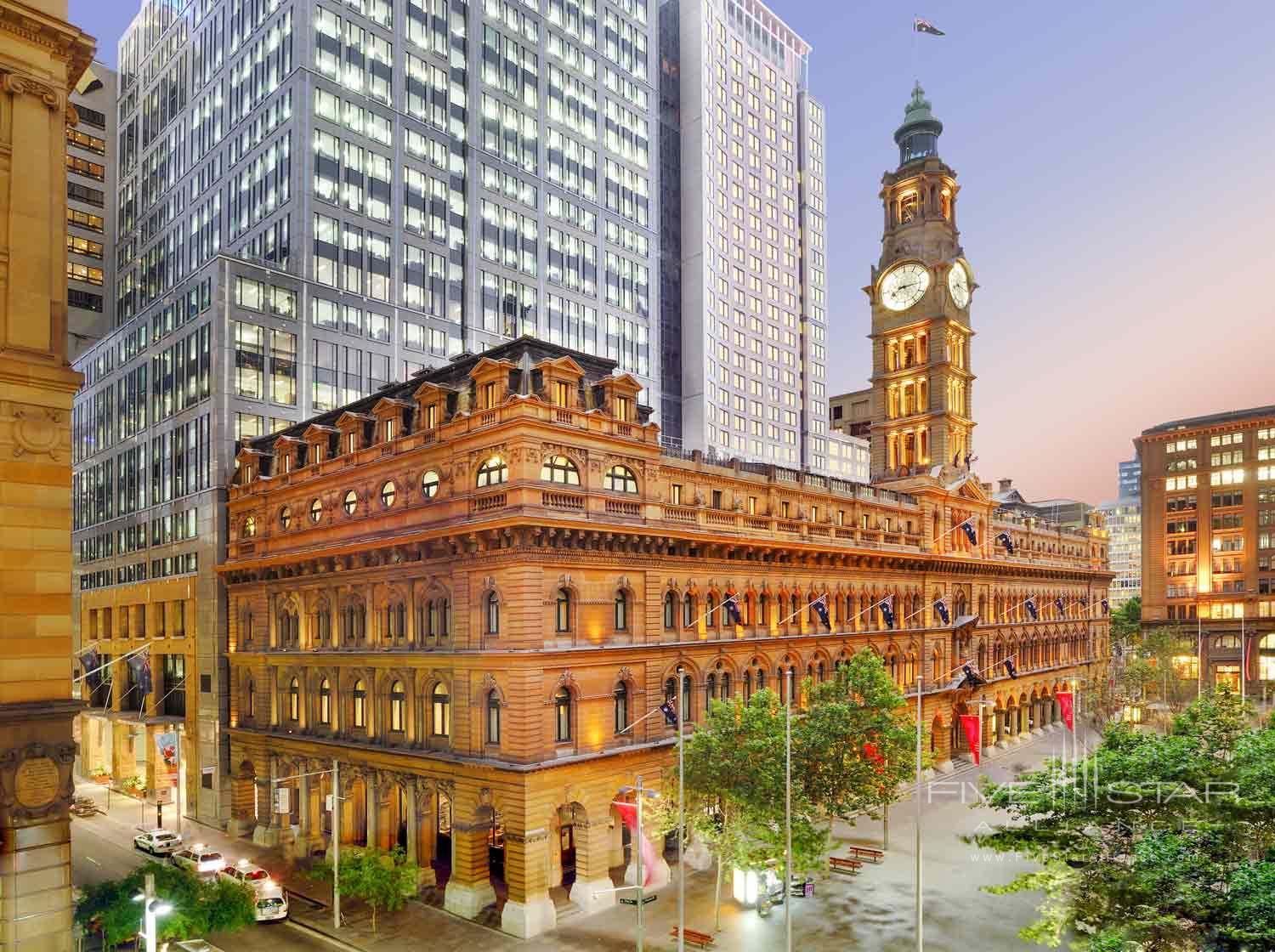
The Fullerton Sydney
Book Fullerton Sydney—luxury stay plus added benefits
Starting from
$419USD
🏨 Room Upgrade
🍳Daily Breakfast
🍷$75 Food & Beverage Credit
📶 Free Wifi
🏨Early Check In


Travel Magazine Editors
Travel Writer
Find great travel offers related to this story
Five Star AllianceBook Fullerton Sydney—luxury stay plus added benefits
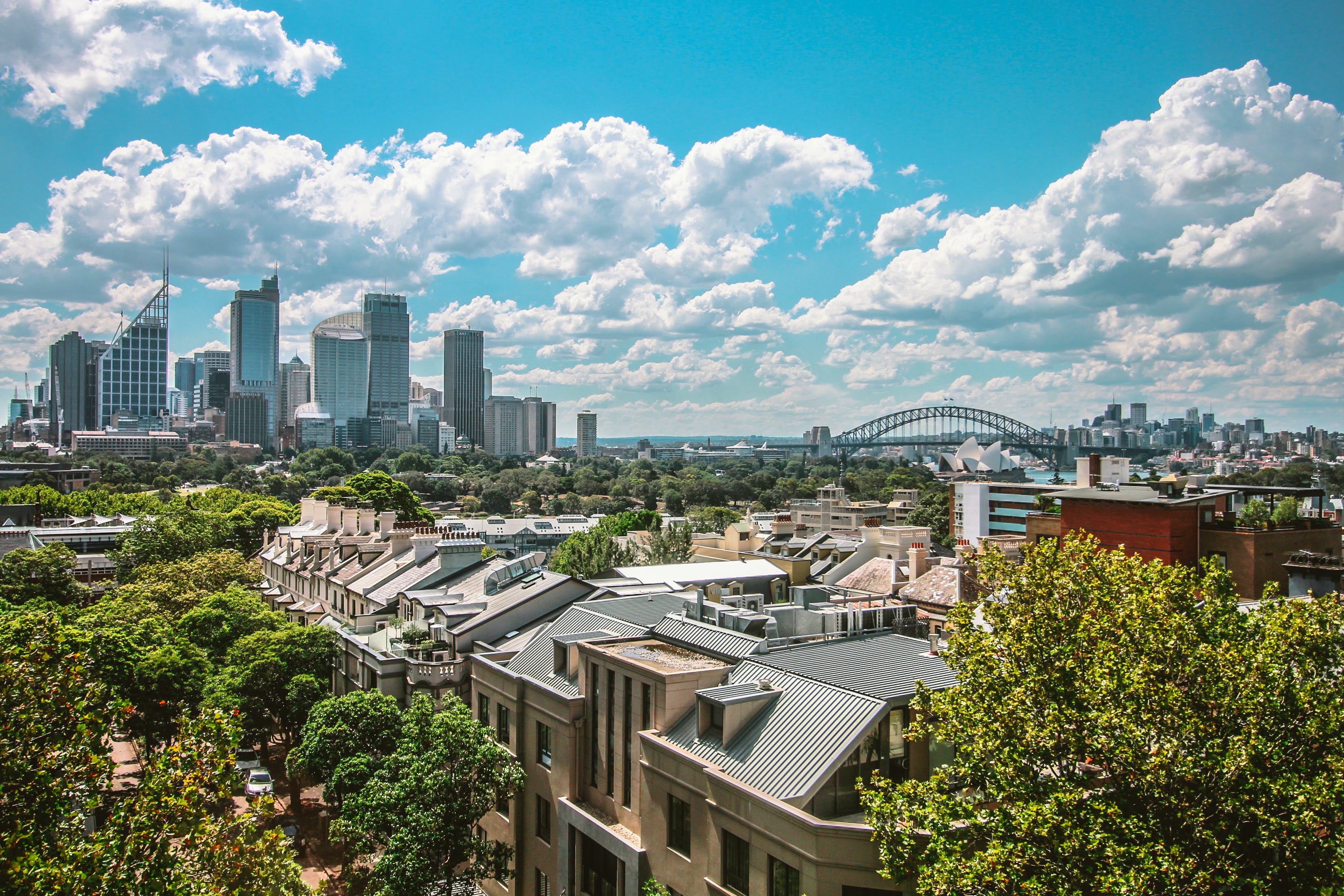
The Harbor Bridge arcs across the postcard. The Opera House catches the light. Ferries trace white lines across blue water. These are the images that sell Sydney, and they're not inaccurate. But they bear little resemblance to how the city actually operates day to day. Sydney isn't experienced through its monuments but through repetition and routine. It's the same morning swim before work, the same coastal walk on Saturday, the same café where the barista starts making your coffee when you walk through the door. If you're willing to eat well, walk often, and spend time near water, you'll come to understand what Sydney actually is: a city built on habits rather than spectacle.
Sydney Travel Guide | BEST Things To Do, Where To Stay, Restaurants & MORE!!
In This 2024 Sydney Travel Guide, we go over Where We Stayed, The Best Cafe's in Sydney, Coolest Markets, BEST Things To Do, Places To See, Beaches, Restaurants & Bars!!
Sydney's relationship with its harbor, beaches, and parks is fundamentally functional. People don't visit the coast, they live on it. Morning swims happen before work, coastal paths fill with runners at dawn and dog walkers at dusk, and outdoor cafés operate year-round as places where people meet, work, and linger over long lunches. The city's natural assets aren't attractions to be checked off but part of daily infrastructure that shapes how people move, eat, and spend their time.
One of Sydney's best neighborhoods for food, drinks and trendy vibes
The dining rooms here are small and the menus change frequently. The cooking is produce-driven, confident, and unfussy, with chefs working seasonally and serving vegetables as thoughtfully as proteins, wine as casually as coffee. Bakeries open early with sourdough and pastries that draw lines out the door. Wine bars fill in the evening with natural wines and shared plates. There's no formality or performance, just good ingredients treated well and served without ceremony. This is modern Australian food culture in its most relaxed form: seasonal, global in influence, and entirely unpretentious.
Newtown is dense, loud, and shaped by waves of migration and creative energy. Middle Eastern grills serve charcoal-cooked meats until late, while Southeast Asian kitchens turn out Thai, Vietnamese, and Malaysian dishes that locals eat on repeat. Vegetarian institutions have operated here for decades, long before plant-based dining became fashionable. The food isn't trend-driven but reflects the people who live here, the communities that have shaped the neighborhood, and the reality that good food doesn't need to announce itself. Newtown eats well because there's too much competition not to.
This is where Sydney eats late. Food courts stay open past midnight, noodle shops serve hand-pulled noodles and wontons to shift workers and night owls, and yum cha restaurants fill on weekends with families lingering over carts of dumplings and buns. The atmosphere is unpolished, practical, and crowded. The food is good because it's reliable, not because it's trying to be. This is Sydney's global food culture at its most everyday: Cantonese roast duck, Sichuan hot pot, Taiwanese bao, all served without fanfare in spaces that prioritize function over design.
The Bondi to Coogee coastal walk works because it's used. Runners pass early, swimmers stop at Bronte and Clovelly, and families pause at playgrounds and cafés along the way. The path doesn't feel curated because it isn't—it's shared infrastructure that locals rely on, shaped by years of footsteps and routine. The scenery is dramatic, with cliffs, coves, and wide ocean views, but what makes the walk compelling is its ordinariness. This is a daily route that happens to be beautiful.
This walk is longer and quieter, starting in suburbia before moving through forest trails that open onto harbor views that shift with every turn. The path skirts beaches and bushland, passing through sections where the city feels miles away. By the time you reach Manly, you've covered real distance and the walk doesn't climax at a landmark but ends with a ferry ride back across the harbor, which becomes part of the experience itself. The scale here is different: slower, less compressed, more generous with time.
An hour south by train and the city disappears entirely. Cliffs drop into the ocean, beaches stretch empty, and walking tracks cut through scrub and forest. The park feels vast and quiet, even on weekends, and the contrast with urban Sydney is absolute. Yet it's remarkably easy to reach: ordinary public transport followed by dramatic coastal landscapes. This proximity to wilderness is part of what shapes Sydney's character—the city is never far from places where it simply stops.
Paddington's narrow streets curve past terraced houses, independent galleries, and shops that have operated for years. The neighborhood has polish without pretension, offering a mix of design-conscious retail and everyday errands. Glebe sits on the water with a calm, lived-in feel where bookshops, weekend markets, and waterfront paths make it easy to spend hours doing very little. Manly functions as both destination and suburb, where commuters take the ferry to work and locals swim before dinner. The beach is central, but so are the quiet streets behind it. These neighborhoods don't perform themselves—they simply work.
Sydney's seasons matter more than you might expect. Summer is hot, crowded, and entirely beach-focused. Autumn and spring bring milder weather and thinner crowds, making them better for walking and eating outdoors. Winter stays cool without turning cold, which means outdoor dining under heaters and long coastal walks without the summer heat. The city works best with early starts: morning swims, breakfast by the water, walks before temperatures climb. Let lunches stretch long and evenings unfold slowly. Rushing to fulfill a checklist is a strategy that is bound to backfire.
Sydney doesn't perform itself for visitors—it functions for residents. The best parts of the city aren't hidden, but they don't announce themselves either. They require attention, repetition, and a willingness to move at the city's pace rather than impose your own. Eat in neighborhoods, not just restaurants. Walk coastlines and harbor edges. Take ferries. Swim if you can. Let the rhythm of the place shape your days. Sydney's appeal isn't immediate or loud. It's something absorbed through habit, best understood by people who stay long enough to stop sightseeing and start living.

Be the first to discover new travel guides and destination insights delivered to your inbox.


